Frozen II
Does this age rating seem accurate to you?
Detailed parental analysis
Frozen II is a Disney animated sequel with a darker and more melancholic atmosphere than the first film, tinged with mystery and weightier emotional stakes. The plot follows Elsa, drawn by a mysterious voice towards an enchanted forest and a buried family past she must confront to save her kingdom. The film primarily targets children aged 6 and above as well as teenagers who have grown up with the franchise, but its graver tone makes it less suitable for very young children than its predecessor.
Violence
The film contains no explicit physical violence, but offers several sequences of sustained intensity that can strongly unsettle young children. Creatures with red eyes emerge from the darkness, a ghostly water horse attacks Elsa amidst giant waves, and stone giants hurl boulders at characters whilst attempting to crush them. These scenes are driven by anxious visual energy, without gore or blood, but with genuine menace. Violence remains therefore narratively justified and never gratuitous, but its intensity far exceeds what the youngest viewers expect from a classic Disney film.
Underlying Values
The narrative structures its two heroines around solid and complementary values. Elsa embodies the quest for identity and acceptance of her own nature, including what makes her singular and isolating. Anna carries a rarer message in family animation: the song The Next Right Thing shows her choosing to continue acting, not because it is easy or glorious, but because it is right, even in pain. The film also values collective responsibility for the wrongs of the past, in this case the colonial legacy of an ancestor who betrayed an indigenous people. This moral dimension is well woven into the narrative without being didactic, and offers genuine material for discussion with older children or teenagers.
Parental and Family Portrayals
The parents of both heroines are dead before the film begins and their absence remains a subtle yet persistent emotional driver. The film progressively reveals important family secrets, including the fact that their parents concealed a fundamental truth about Elsa's origins. The parental figure is thus simultaneously loved, idealised and partially called into question. This nuanced treatment can nurture in the child questions about trust, family secrets and the complexity of loving adults who do not always act justly.
Social Themes
The film's underlying framework rests on historical reparation: the kingdom of Arendelle once wronged an indigenous people inspired by the Sámi, and the narrative treats the necessity of assuming this legacy as a moral imperative, not a choice. Disney worked in consultation with Sámi parliaments to avoid the pitfalls of the first film, and this shows in the dignity with which the Northuldra people are portrayed. This framework offers a natural entry point for discussing with a child or teenager historical justice, collective responsibility and what it means to repair an injustice committed before one's birth.
Strengths
The film is visually ambitious and certain sequences, notably Elsa's battle against the sea and the stone giants, achieve an epic sweep rare in family animation. The writing of The Next Right Thing is one of the franchise's most emotionally honest moments: a heroine choosing to move forward not through optimism but through a sense of duty is a precious nuance that older children can truly grasp. The decision to tell a story of historical reparation through a major fantasy narrative is bold and, on the whole, well executed. The film holds together several registers, grief, belonging, responsibility, without sacrificing its adventurous dimension.
Age recommendation and discussion points
The film is not recommended for children under 5 and can be watched comfortably from age 7 onwards, with an adult present for sensitive 5-6 year-olds prone to fear scenes or a beloved character's disappearance. To discuss after viewing: why Anna continues to act even when all seems lost, and what to do when you discover that people you loved committed injustices—are we responsible for what our ancestors did?
Synopsis
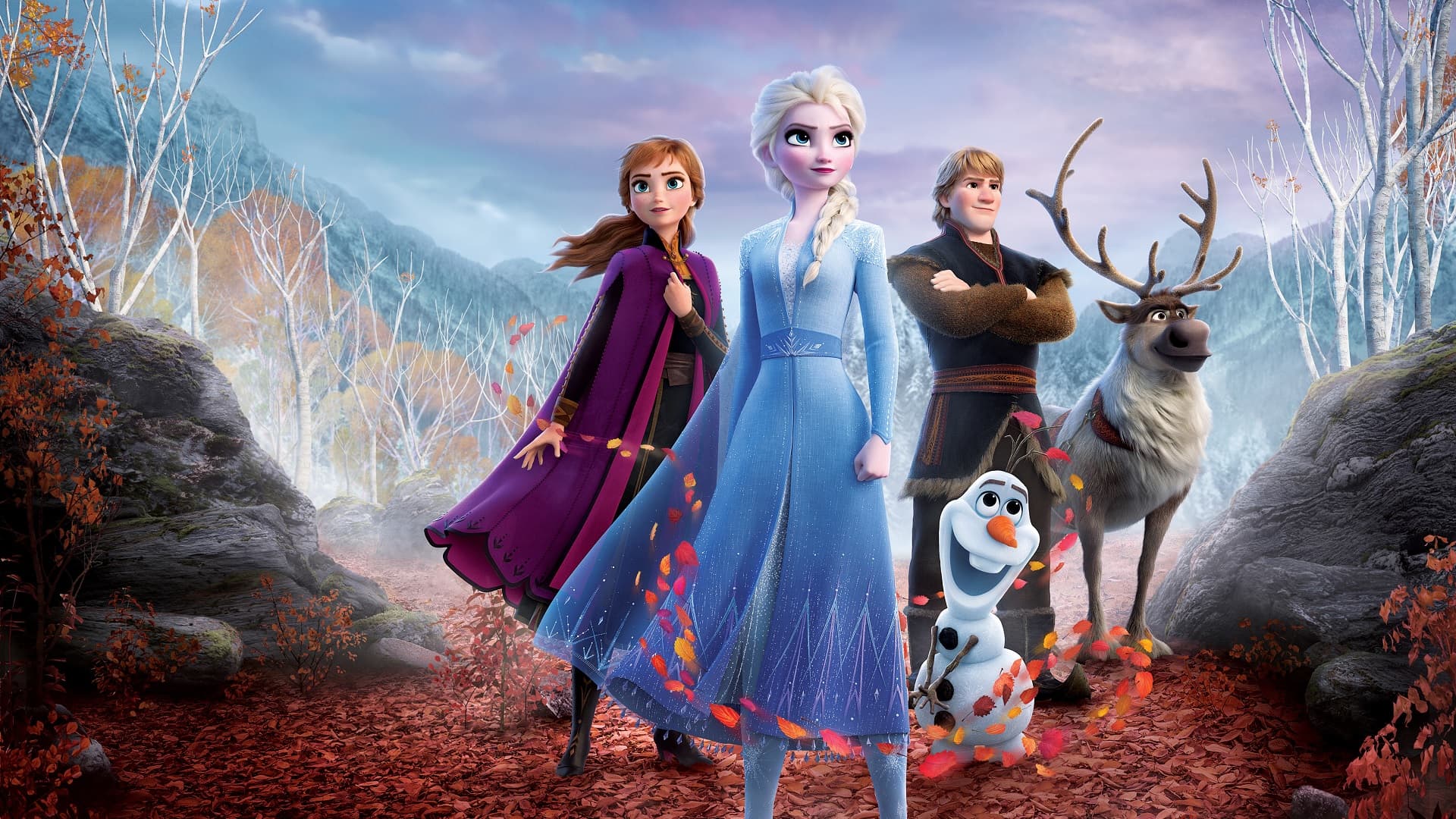
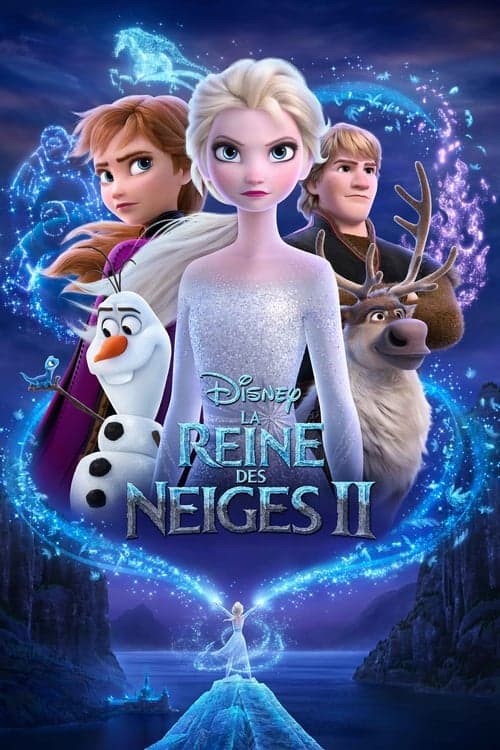
Elsa, Anna, Kristoff and Olaf head far into the forest to learn the truth about an ancient mystery of their kingdom.
About this title
- Format
- Feature film
- Year
- 2019
- Runtime
- 1h 44m
- Countries
- United States of America
- Original language
- EN
- Studios
- Walt Disney Animation Studios
Content barometer
- Violence2/5Moderate
- Fear3/5Notable tension
- Sexuality0/5None
- Language0/5None
- Narrative complexity2/5Moderate
- Adult themes0/5None
Values conveyed
- Courage
- Loyalty
- Forgiveness
- sisterhood
- identity
- sacrifice
- truth
- reconciliation
- respect for nature
- self-acceptance