Forgotten Island
Does this age rating seem accurate to you?
Detailed parental analysis
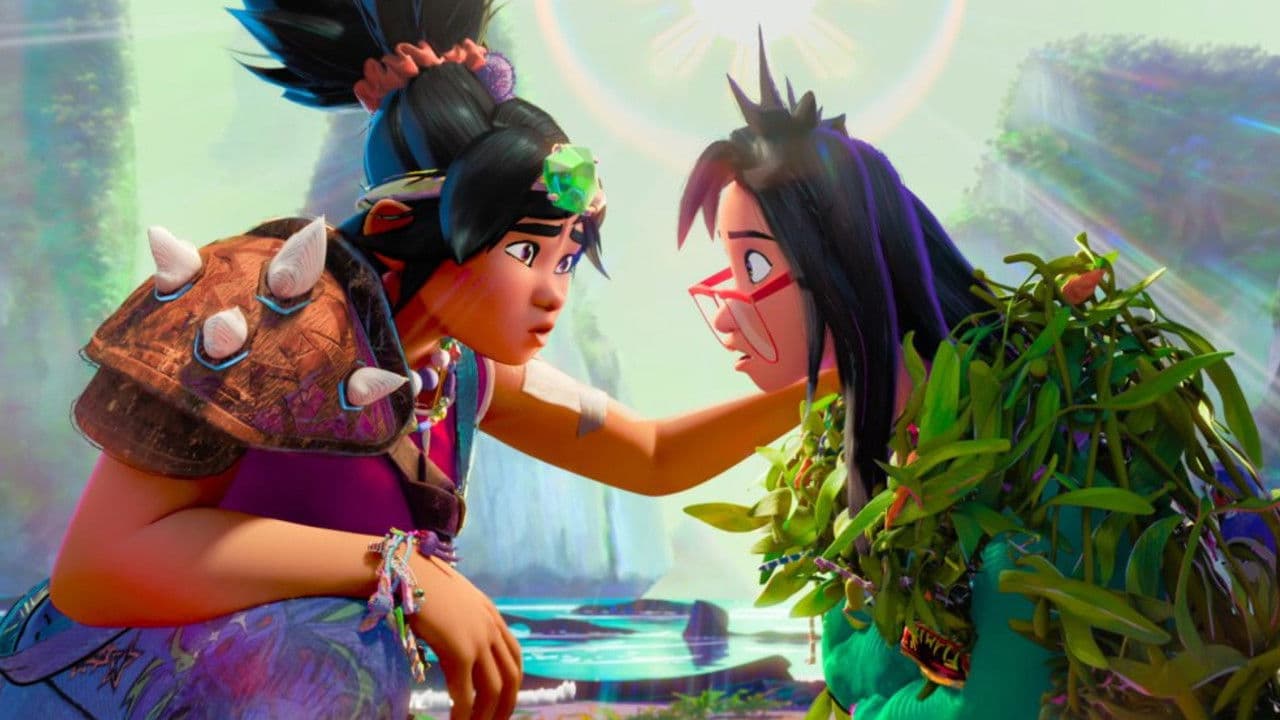
The Forgotten Island is a fantastical adventure film with an atmosphere that is both luminous and emotionally charged, drawing on Philippine mythology to construct a narrative about memory and friendship. The story follows two best friends confronted by a supernatural force threatening to erase their shared memories, on an island whose dangers are as culturally rooted as they are universally unsettling. The film addresses a broad family audience, but its themes of loss and permanent separation give it an emotional depth that exceeds the grasp of younger children.
Violence
The film's main threat is embodied by the Manananggal, a central figure in Philippine mythology described as the most feared creature on the island. Its presence generates sustained tension and sequences that may be frightening for sensitive children, more through atmospheric horror than graphic violence. The creature is a legitimate narrative driver and not a gore pretext, but its visual and emotional impact remains notable. The 'dark forces' and perilous locations traversed by the characters reinforce an atmosphere of constant adversity that can weigh on the youngest viewers.
Underlying Values
The narrative is structured around the fundamental value of lasting friendship and the fragility of shared memories, presented as a treasure to be actively defended. The film implicitly poses a demanding question for young audiences: what is a relationship worth if its memory could vanish? This tension between attachment and impermanence gives the film a genuine emotional charge, one that can be discussed with a child to help them articulate their own fears of separation or loss. Cultural transmission and nostalgia are also valued, with an anchor in a specific heritage rather than an abstract universal.
Social Themes
The film deliberately and consciously draws on Philippine mythology and beliefs, treating them as a living heritage rather than exotic décor. This specific cultural dimension constitutes a genuine opening onto imaginaries rarely represented in mainstream animation cinema, and can spark in the child a curiosity about other cultures and oral traditions. It is fertile ground for conversation, particularly about how each culture constructs its own narratives of fear and protection.
Strengths
The film derives its principal strength from a rare mythological anchor in mainstream animation, offering children a gateway into a Philippine imaginary treated with seriousness and internal coherence. The choice to centre the dramatic stakes on memory and friendship rather than a simple good-versus-evil confrontation gives the narrative an emotional maturity that is uncommon. Raissa's panic, shown without restraint, is an example of honest representation of intense emotional states, which can help a young viewer name and recognise their own experiences of anxiety. The balance between cultural specificity and universal resonance appears to be the film's central ambition, and early reactions suggest it achieves this with considerable conviction.
Age recommendation and discussion points
The film is suitable from age 8 for children comfortable with fantastical atmospheres and strong emotions, and fully recommended from age 10 without reservation. After viewing, two questions are worth putting to the child: what does a shared memory represent in a friendship, and what would they do to preserve an important bond? The Manananggal can also open a lighter conversation about fantastic creatures from different cultures and what they reveal about the fears particular to each society.
Synopsis
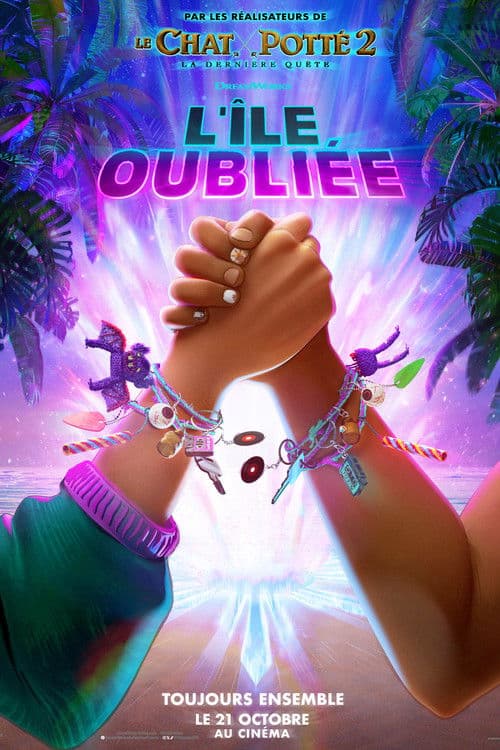
Jo and Raissa find themselves stranded on the fantastic world of the forgotten island of Nakali. They find that their only way home might come at the expense of a lifetime of memories and emotions.
About this title
- Format
- Feature film
- Year
- 2026
- Countries
- United States of America
- Original language
- EN
- Directed by
- Januel Mercado, Joel Crawford
- Main cast
- H.E.R., Liza Soberano, Dave Franco, Jenny Slate, Manny Jacinto, Dolly de Leon, Jo Koy, Ronny Chieng, Lea Salonga, Amielynn Abellera
- Studios
- DreamWorks Animation
Content barometer
- Violence2/5Moderate
- Fear3/5Notable tension
- Sexuality0/5None
- Language0/5None
- Narrative complexity1/5Accessible
- Adult themes0/5None
Watch-outs
- Grief
- Death / grief
Values conveyed
- Courage
- Friendship
- Perseverance
- Loyalty
- teamwork
- resilience