
Finding Dory
Does this age rating seem accurate to you?
Detailed parental analysis
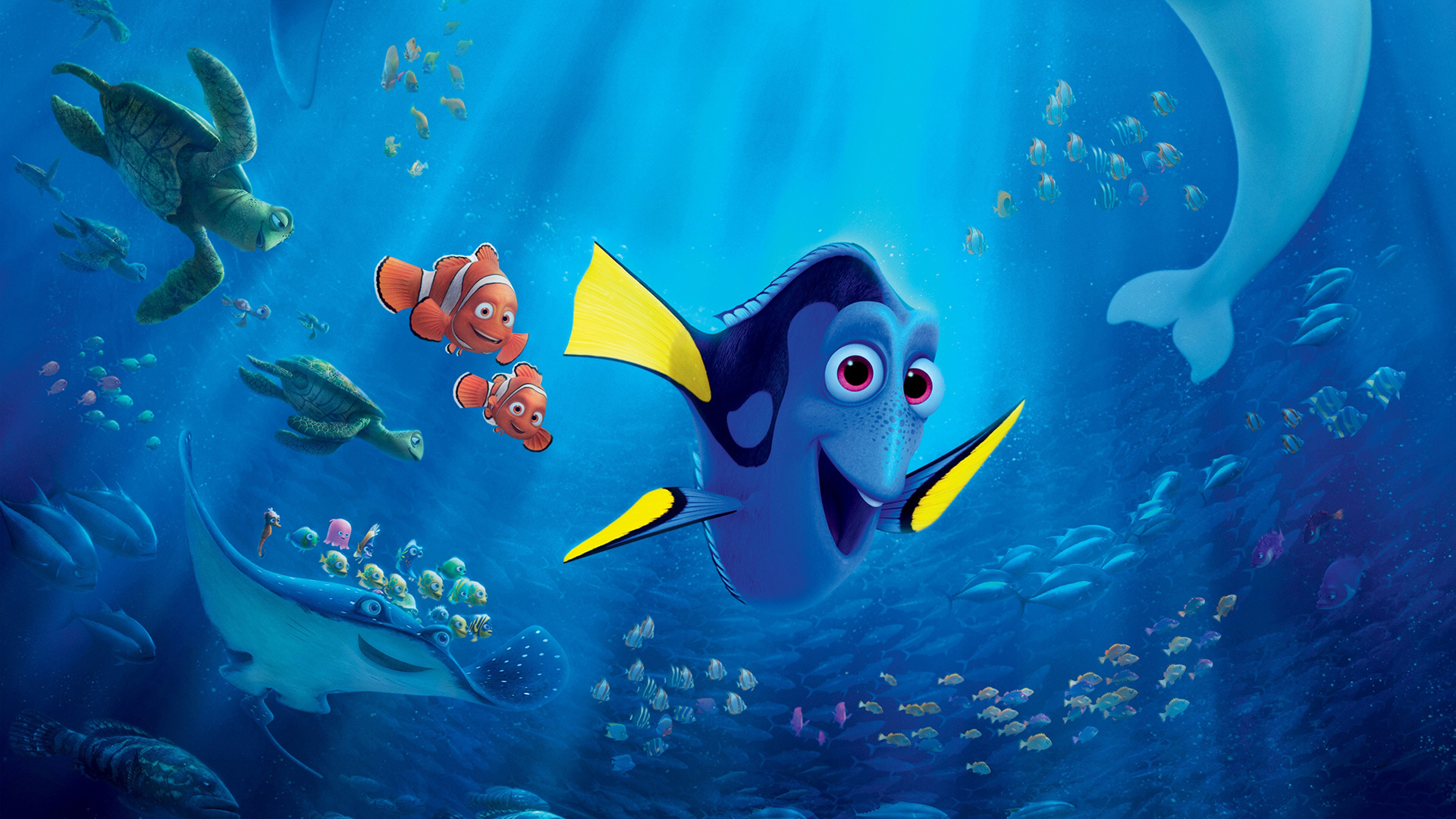
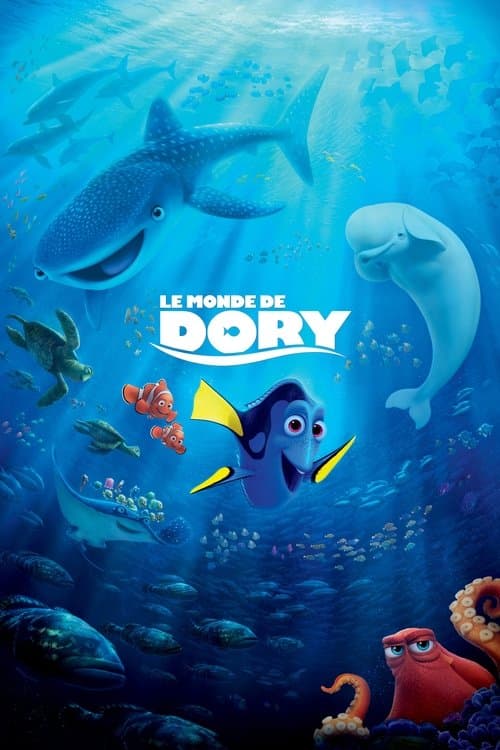
Finding Dory is a Pixar animated adventure with a warm and emotionally rich atmosphere, carried along by constant humour yet punctuated by moments of genuine sorrow. The plot follows Dory, a blue fish suffering from short-term memory loss, as she sets out in search of her parents, from whom she was separated at a very young age. The film is aimed primarily at young children, but its emotional depth resonates fully with adults as well.
Parental and Family Portrayals
This is the beating heart of the film. Dory's parents are portrayed as figures of absolute unconditional love: they never stopped waiting for her and spent years building pathways of shells in the hope that she would find them one day. This image of patient, inventive and steadfast parenthood is one of the narrative's strongest messages. The film also addresses, subtly, the emotional burden of raising a child who is different, and the anticipatory grief of separation. Several flashback sequences depicting Dory's childhood are sufficiently intense to bring tears to accompanying parents' eyes.
Underlying Values
The film constructs its narrative around perseverance, self-acceptance and the value of functional differences. Dory's failing memory, which constitutes her disability, becomes her strength on several occasions. This reversal is honest and well-constructed narratively, without falling into simplistic fable. Collectivity and solidarity are valued: Dory moves forward thanks to others as much as thanks to herself. There is no glorification of individual performance or competition, which sets the film apart from many adventure narratives for children.
Violence
Violence remains within the bounds of the family adventure film, but one sequence stands out: the pursuit by a giant Humboldt squid, which briefly captures the young Nemo in its tentacles. The scene is tense, fast-paced and may startle younger viewers. It is not gory and is resolved without harm, but its visual intensity is real. Furthermore, the flashbacks showing baby Dory drifting alone in the ocean and gradually forgetting her parents constitute a form of sustained emotional distress that may be difficult for sensitive children, even in the absence of any physical violence.
Social Themes
The film offers a positive and nuanced representation of cognitive disability, in this case short-term memory loss. Dory is neither an object of pity nor an unwitting superhero: she is a complex character who manages a real limitation on a daily basis, with strategies, failures and successes. This treatment resonates particularly with families affected by disability situations, who find in it a model of representation that is rare in mainstream animation.
Sex and Nudity
A discrete and toned-down joke alludes to reproduction: Dory begins a sentence along the lines of 'When two fish love each other...' before being interrupted. The humour is calibrated to go over children's heads and make adults smile. There is no sexual or suggestive content beyond this isolated occurrence.
Strengths
The film keeps a rare promise in family animation: it treats anxiety, loss and memory with genuine psychological sensitivity, without ever talking down to its young audience. The flashback structure is skilfully used to gradually reconstruct Dory's identity, giving the narrative a solid emotional architecture rather than a mere accumulation of plot turns. The writing manages to maintain comic pace whilst allowing space for moments of genuine emotional silence. For families affected by disability or separation issues, the film can become concrete support for conversations that would otherwise be difficult to open.
Age recommendation and discussion points
The film is suitable from age 5 or 6 onwards, with parental support for younger children sensitive to separation sequences or the squid chase. From age 7 or 8, viewing is calm and independent. Two discussion angles are worth pursuing after the film: ask the child what he or she thinks of the way Dory manages her memory and whether her differences pose a problem or serve her, and explore with them the idea that parents can wait and love unconditionally, even for a very long time.
Synopsis
Dory is reunited with her friends Nemo and Marlin in the search for answers about her past. What can she remember? Who are her parents? And where did she learn to speak Whale?
About this title
- Format
- Feature film
- Year
- 2016
- Runtime
- 1h 37m
- Countries
- United States of America
- Original language
- EN
- Studios
- Pixar
Content barometer
- Violence2/5Moderate
- Fear2/5A few scenes
- Sexuality1/5Allusions
- Language0/5None
- Narrative complexity1/5Accessible
- Adult themes0/5None
Watch-outs
- Grief
- Death / grief
Values conveyed
- Courage
- Acceptance of difference
- Perseverance
- Compassion
- friendship
- family
- teamwork