FernGully: The Last Rainforest
Does this age rating seem accurate to you?
Detailed parental analysis
FernGully is a fantasy animated film with a colourful and enchanted atmosphere, punctuated by genuinely unsettling sequences. The plot follows Crysta, a fairy from the rainforest, who accidentally shrinks a young human woodcutter and draws him into the struggle to save her world from a force of destruction and pollution. The film targets school-age children, but its villain and certain scenes of destruction make it unsuitable for younger viewers.
Violence
The film's main threat takes the form of Hexxus, an entity of pollution and toxic oil whose visual transformations are genuinely disturbing: viscous mass, skeletal silhouette, tentacled creature enveloping a machine of destruction. The scenes in which the forest is razed by the machine called 'The Leveler' are shown with deliberate visual brutality, trees torn up and animals fleeing in panic. This violence is not gratuitous; it serves the film's ecological message, but its emotional intensity is strong and can generate genuine distress in sensitive children. Parents report nightmares linked to Hexxus, which is a serious signal for children under 6 years old.
Social Themes
Ecology is the beating heart of the film, treated without detour or light metaphor: deforestation is shown as a concrete catastrophe, pollution as a living and active evil. The narrative clearly positions humans as responsible for destruction, before nuancing this judgement by showing that a human can change perspective and become an agent of protection. This message is pedagogically sound and has clearly marked generations of children, some attributing their environmental sensitivity to this film. It is a natural entry point for discussing deforestation, biodiversity and individual responsibility.
Underlying Values
The film structures its narrative around a clear opposition between harmony with nature and destructive exploitation. Moral victory unambiguously belongs to those who protect. Zak follows a classic arc of transformation: from indifference to commitment, which gives the narrative an honest initiatory dimension. The value of knowledge transmitted by the elders, embodied in the figure of Magi Lune, is also central and presented with respect.
Sex and Nudity
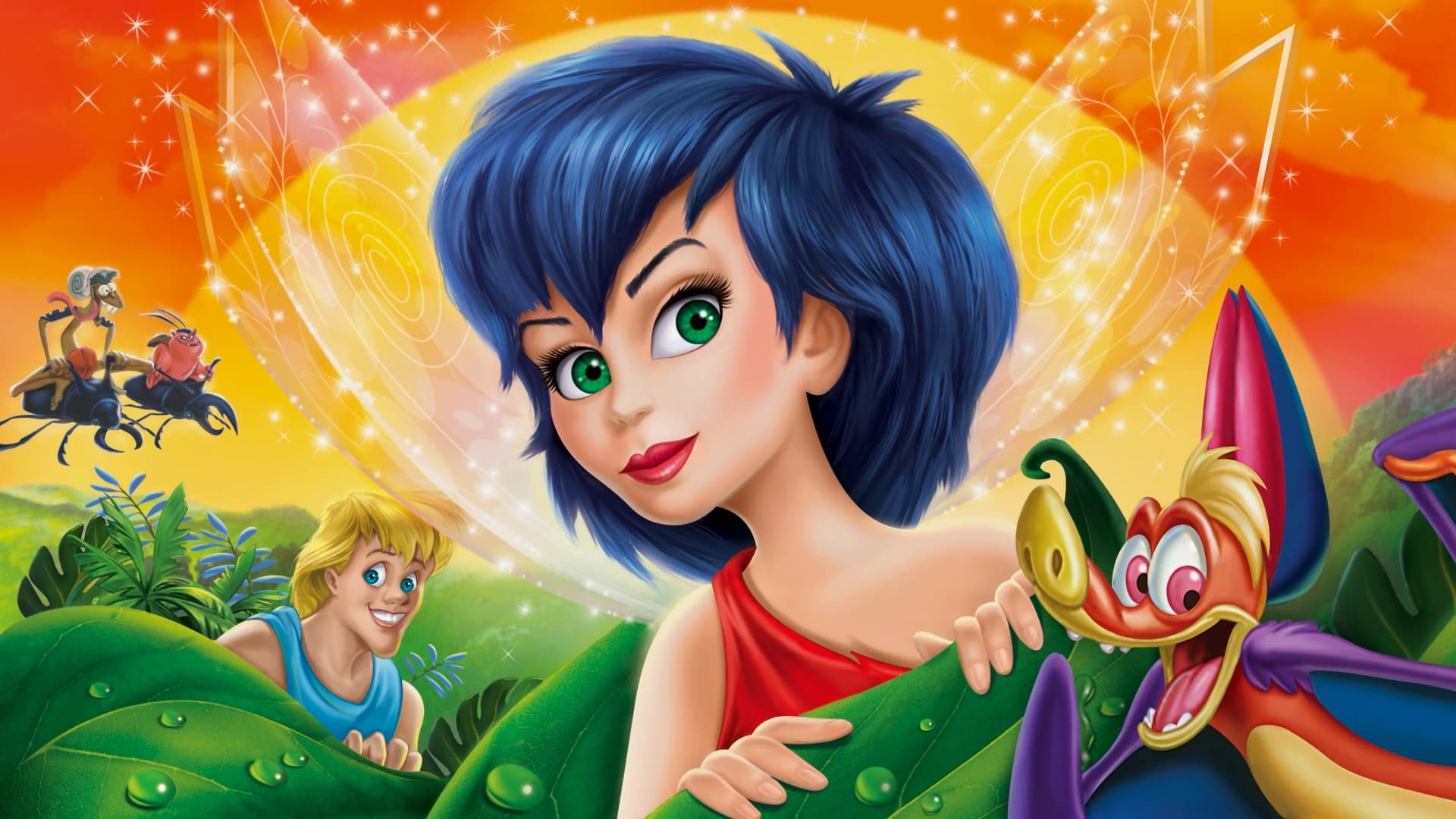
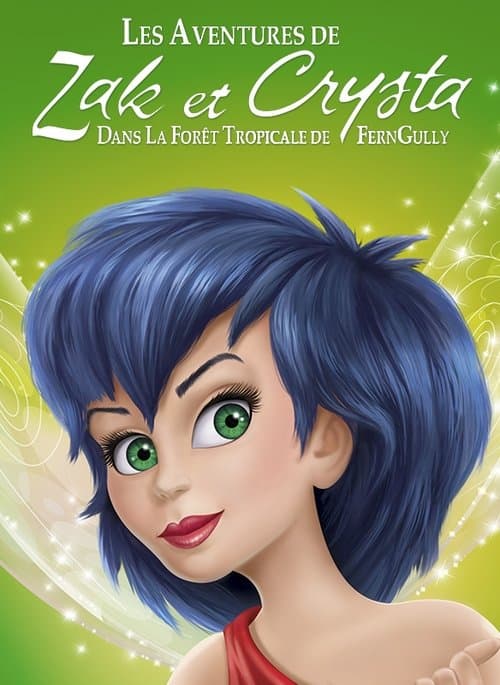
Crysta is dressed in a tube top and short skirt that expose her midriff and hips, an aesthetic that contrasts with what one might expect from a female character in a film aimed at children. Zak describes her as a 'bodacious babe' upon their first meeting, and the two share a kiss. These elements do not constitute explicit sexual content, but they introduce a mild hypersexualisation of the main female character that deserves to be noted, particularly for parents of young children or those wishing to discuss representations of femininity.
Discrimination
Crysta is the central female character and driver of the action, which is a positive point. However, her costume design and the way Zak perceives her from the outset as an object of desire rather than as an interlocutor introduce a classic gender stereotype. The heterosexual romantic dynamic develops quickly and without question. This is not a dominant subject of the film, but it is a useful angle for discussion with older children.
Strengths
The film possesses genuine visual generosity, with a rainforest rendered with a wealth of detail and colour that brings to life a coherent and immersive world. The character of Batty, a bat traumatised by animal experimentation, brings an offbeat comic dimension whilst discreetly carrying a serious subject. The soundtrack, driven by songs of varied styles, contributes to the film's energy and remains memorable. Narratively, the film succeeds in conveying an urgent ecological message without falling into cold moralising: emotion precedes discourse, which is the right method for reaching a young audience.
Age recommendation and discussion points
The film is suitable from age 6 for children without particular sensitivity to frightening images, and rather from age 7 or 8 for more impressionable children. Two angles of discussion are worth exploring after viewing: asking the child what they think of the way humans are portrayed in the film, and whether all humans are the same, opens up reflection on collective and individual responsibility. One can also return to Batty and what the film says, implicitly, about animal experimentation.
Synopsis
When a sprite named Crysta shrinks a human boy, Zak, down to her size, he vows to help the magical fairy folk stop a greedy logging company from destroying their home: the pristine rainforest known as FernGully. Zak and his new friends fight to defend FernGully from lumberjacks — and the vengeful spirit they accidentally unleash after chopping down a magic tree.
Where to watch
Availability checked on Apr 28, 2026
About this title
- Format
- Feature film
- Year
- 1992
- Runtime
- 1h 15m
- Countries
- Australia, United States of America
- Original language
- EN
- Directed by
- Bill Kroyer
- Main cast
- Samantha Mathis, Jonathan Ward, Christian Slater, Robin Williams, Tim Curry, Grace Zabriskie, Douglas Seale, Geoffrey Blake, Robert Pastorelli, Cheech Marin
- Studios
- Kroyer Films, Youngheart Productions, FAI Films
Content barometer
- Violence3/5Notable
- Fear4/5Intense
- Sexuality1/5Allusions
- Language0/5None
- Narrative complexity1/5Accessible
- Adult themes0/5None
Watch-outs
- Death
- Gender stereotypes
Values conveyed
- Courage
- Acceptance of difference
- Compassion
- Autonomy
- friendship
- ecology
- empathy