
Ernest & Celestine
Ernest & Celestine
Your feedback improves this guide
Your feedback highlights guides that need a second look and keeps the rating trustworthy.
Does this age rating seem accurate to you?
Sign in to vote
Watch-outs
What this film brings
Content barometer
Violence
1/5
Mild
Fear
2/5
A few scenes
Sexuality
0/5
None
Language
0/5
None
Narrative complexity
2/5
Moderate
Adult themes
0/5
None
Expert review
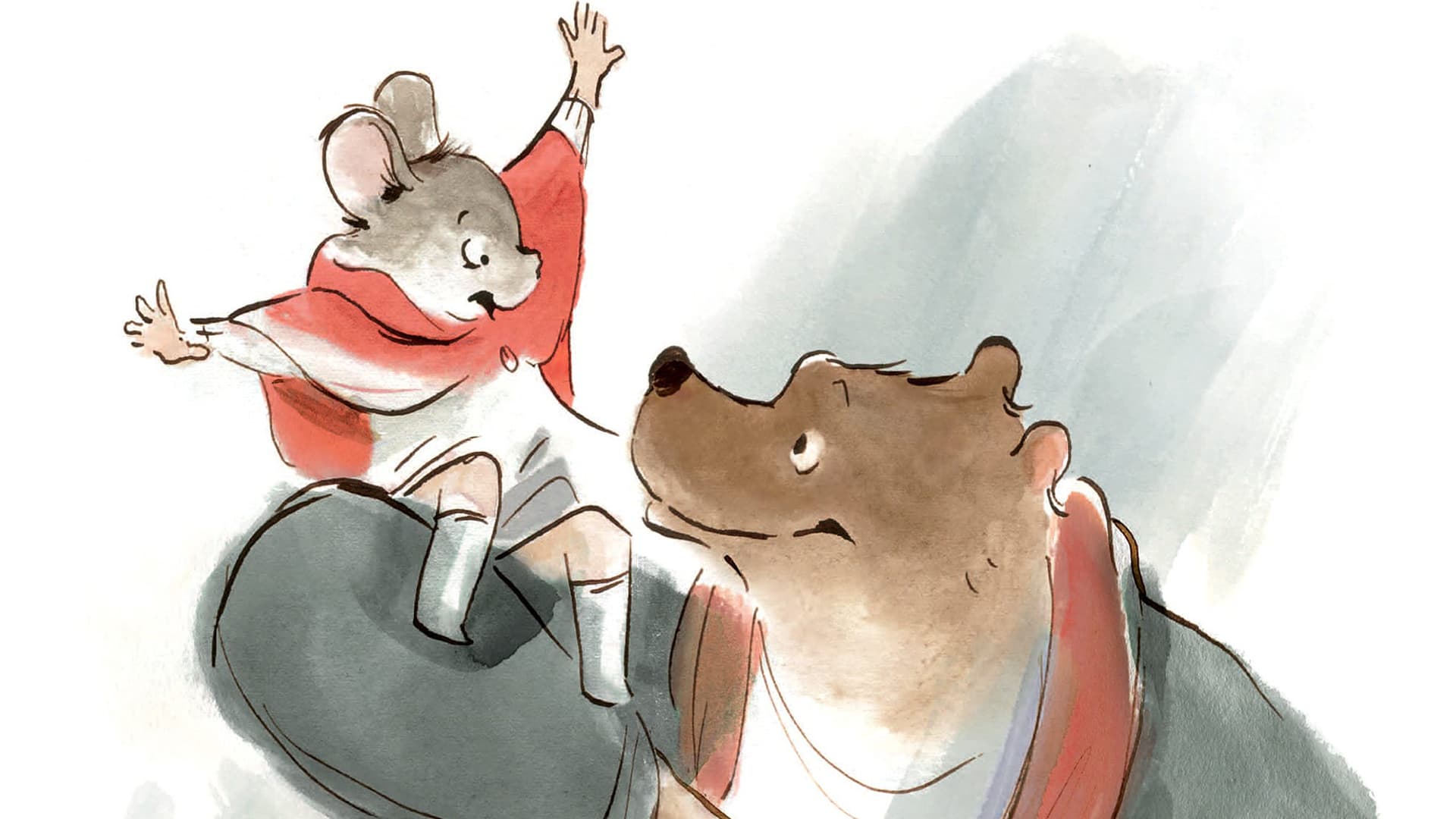
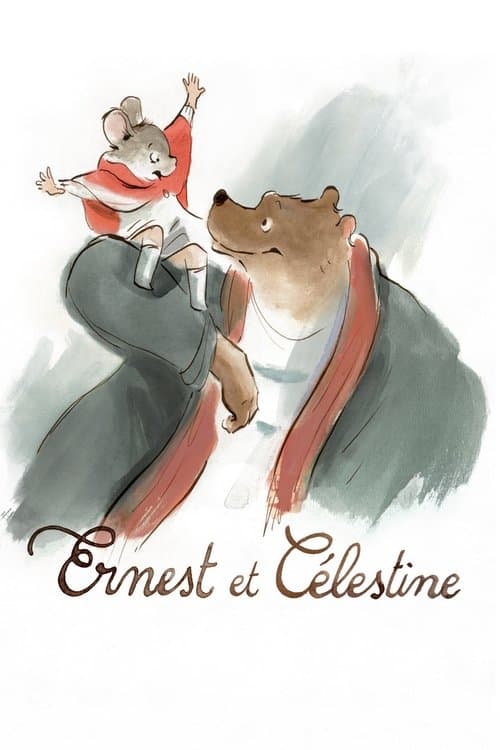
Ernest and Celestine is a Franco-Belgian animated film with a delicate watercolour aesthetic, telling the story of an unlikely friendship between a solitary bear and a young orphan mouse in a world where both species live apart and distrust one another. The film explores themes of social marginalization, conformism, and gentle rebellion against rigid institutions, all wrapped in a warm and poetic atmosphere. Sensitive elements are limited to a few police chase sequences, a brief moment where Ernest threatens to eat Celestine, some lighthearted burglaries, and courtroom scenes where both protagonists face unjust treatment from authoritarian judges, which may stir a sense of injustice in younger viewers. These moments remain brief, treated with humour or emotional warmth, and fit within an overall reassuring and tender narrative. Parents can use the film as a springboard to discuss friendship across differences, overcoming prejudice, and questioning unfair rules.
Synopsis
Celestine is a little mouse trying to avoid a dental career while Ernest is a big bear craving an artistic outlet. When Celestine meets Ernest, they overcome their natural enmity by forging a life of crime together.
Difficult scenes
Early in the film, Ernest finds Celestine in a trash can and is about to eat her. Although the scene is played for comedy and quickly defused by Celestine's clever negotiating, very young children may be startled by the threat of a large character ready to devour a likeable protagonist. Several chase sequences involving both the bear and rodent police forces unfold with considerable energy. The idea that sympathetic characters are actively hunted and threatened with arrest may create mild tension, even though the tone remains playful and situations are resolved without violence. Both heroes are eventually arrested and tried separately in a courthouse, with hostile judges who refuse to listen and seek to condemn them out of prejudice. These scenes, though resolved positively, depict a form of institutional injustice that may unsettle children who are sensitive to themes of fairness and authority.
Where to watch
Availability checked on Apr 03, 2026
About this title
- Format
- Feature film
- Year
- 2012
- Runtime
- 1h 19m
- Countries
- Belgium, France, Luxembourg
- Original language
- FR
- Directed by
- Stéphane Aubier, Vincent Patar, Benjamin Renner
- Main cast
- Anne-Marie Loop, Lambert Wilson, Pauline Brunner, Patrice Melennec, Brigitte Virtudes, Léonard Louf, Dominique Maurin, Féodor Atkine, Vincent Grass, Patrice Dozier
- Studios
- Les Armateurs, Maybe Movies, StudioCanal, La Parti Production, France 3 Cinéma, Melusine Productions, RTBF
Content barometer
Violence
1/5
Mild
Fear
2/5
A few scenes
Sexuality
0/5
None
Language
0/5
None
Narrative complexity
2/5
Moderate
Adult themes
0/5
None
Expert review
Ernest and Celestine is a Franco-Belgian animated film with a delicate watercolour aesthetic, telling the story of an unlikely friendship between a solitary bear and a young orphan mouse in a world where both species live apart and distrust one another. The film explores themes of social marginalization, conformism, and gentle rebellion against rigid institutions, all wrapped in a warm and poetic atmosphere. Sensitive elements are limited to a few police chase sequences, a brief moment where Ernest threatens to eat Celestine, some lighthearted burglaries, and courtroom scenes where both protagonists face unjust treatment from authoritarian judges, which may stir a sense of injustice in younger viewers. These moments remain brief, treated with humour or emotional warmth, and fit within an overall reassuring and tender narrative. Parents can use the film as a springboard to discuss friendship across differences, overcoming prejudice, and questioning unfair rules.
Synopsis
Celestine is a little mouse trying to avoid a dental career while Ernest is a big bear craving an artistic outlet. When Celestine meets Ernest, they overcome their natural enmity by forging a life of crime together.
Difficult scenes
Early in the film, Ernest finds Celestine in a trash can and is about to eat her. Although the scene is played for comedy and quickly defused by Celestine's clever negotiating, very young children may be startled by the threat of a large character ready to devour a likeable protagonist. Several chase sequences involving both the bear and rodent police forces unfold with considerable energy. The idea that sympathetic characters are actively hunted and threatened with arrest may create mild tension, even though the tone remains playful and situations are resolved without violence. Both heroes are eventually arrested and tried separately in a courthouse, with hostile judges who refuse to listen and seek to condemn them out of prejudice. These scenes, though resolved positively, depict a form of institutional injustice that may unsettle children who are sensitive to themes of fairness and authority.