Easter Eggs
Does this age rating seem accurate to you?
Detailed parental analysis
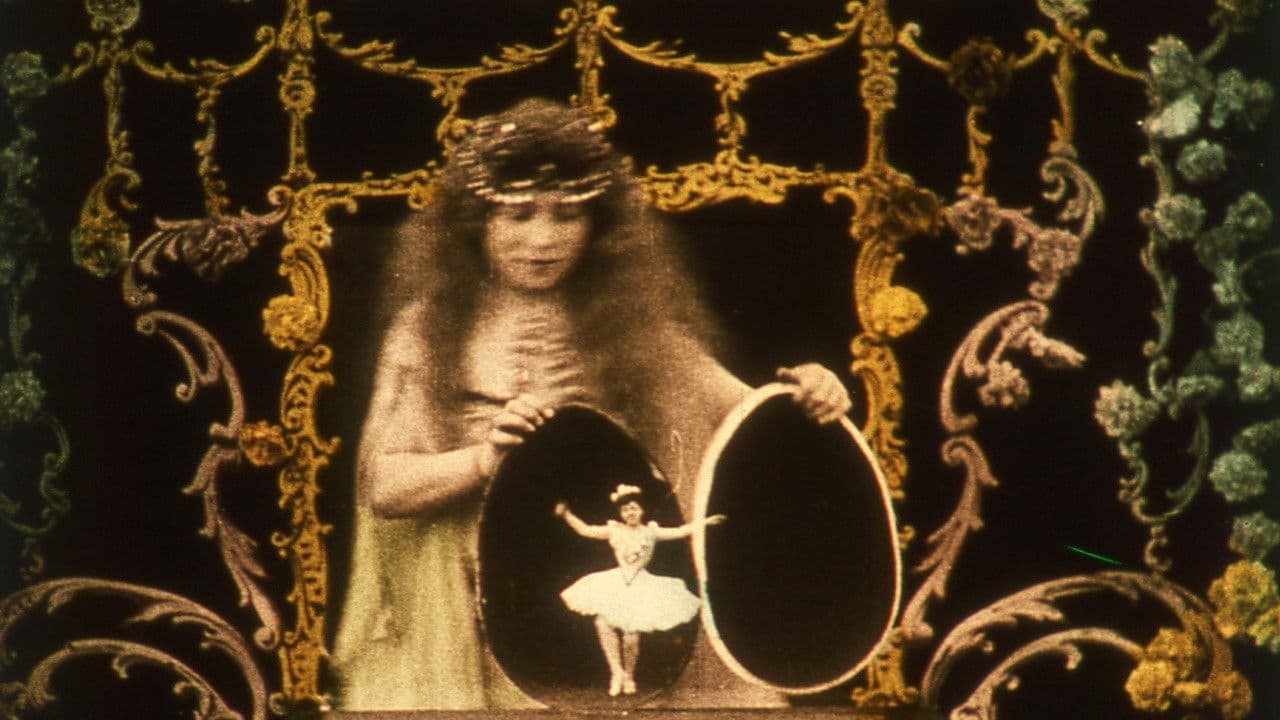
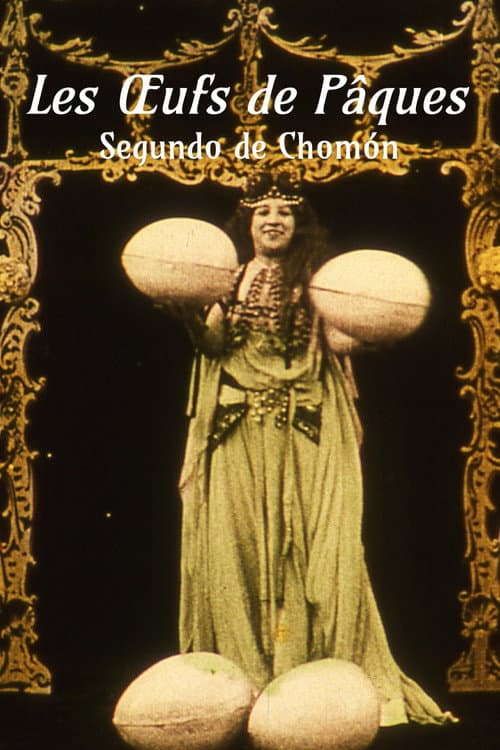
A short silent film from the era of attraction cinema, 'Les Œufs de Pâques' is a colourful fairy-tale fantasy designed to inspire wonder. The plot unfolds in a series of scenes: giant eggs open to reveal dancers, miniature characters, and in the final scene, young children. The film is aimed at a broad family audience, with immediate accessibility for very young children, but it contains a final element that warrants parental attention before viewing.
Sex and Nudity
The closing scene shows young children, clearly of tender years, emerging from eggs in a state of partial or complete nudity. These children appear disoriented, some in tears, visibly without understanding of the situation they find themselves in. For the contemporary viewer, this sequence is difficult to watch with ease: it mingles childhood nudity and visible distress within a framework of pure spectacle. It is not eroticised content in the strict sense, but a representation that raises legitimate questions which the parent should be able to anticipate and voice aloud with the child.
Discrimination
The film features dancers of very small stature presented as a curiosity act on the same footing as other elements of the spectacle. This staging reflects a logic of 'fairground phenomenon' common to the era, in which the different body was exhibited as an object of amazement rather than treated as a subject. The terminology used in period sources to designate these performers is now considered offensive. This is a concrete point to address with a child or adolescent to contextualise the vision of the body and of difference that prevailed in the early twentieth century.
Underlying Values
The film constructs no moral narrative: it is entirely in service of spectacle and immediate wonder. This logic of pure attraction, without reflection or narrative ambiguity, is both its coherence and its limitation. There is no explicitly problematic value in the sense of a transmitted message, but the instrumentalisation of bodies, both those of children and of differently built adults, in the service of public entertainment is an implicit structure that the parent may choose to name.
Strengths
The film constitutes a precious visual record of cinema's earliest years, at a time when moving images were themselves an object of astonishment. The hand-colouring process applied frame by frame lends it a remarkable formal beauty for its era, with vivid hues that remain striking today. Its very short duration makes it a convenient medium for introducing young children to the history of cinema and opening a discussion about what entertainment meant more than a century ago. It is a historical document as much as it is a film, and it is in this dual reading that it gains the most value.
Age recommendation and discussion points
The film is accessible from age six in terms of visual comprehension, but the final scene involving infants in tears and partially undressed justifies the parent viewing it beforehand and remaining present to support the child's response. Two natural lines of discussion present themselves after viewing: why was it considered acceptable at the time to film children or people of small stature in this way, as if they were spectacle accessories, and what does this say about the evolution of our regard for the respect of persons.
Synopsis
A magical woman and her magical eggs.
About this title
- Format
- Short film
- Year
- 1907
- Runtime
- 3m
- Countries
- France
- Original language
- FR
- Directed by
- Segundo de Chomón
- Main cast
- Julienne Mathieu
- Studios
- Pathé Frères
Content barometer
- Violence0/5None
- Fear2/5A few scenes
- Sexuality1/5Allusions
- Language0/5None
- Narrative complexity0/5Simple
- Adult themes0/5None
Watch-outs
- Gender stereotypes
- Abuse
Values conveyed
- Courage
- Acceptance of difference
- magic
- wonder
- creativity