
Dumbo
Does this age rating seem accurate to you?
Detailed parental analysis
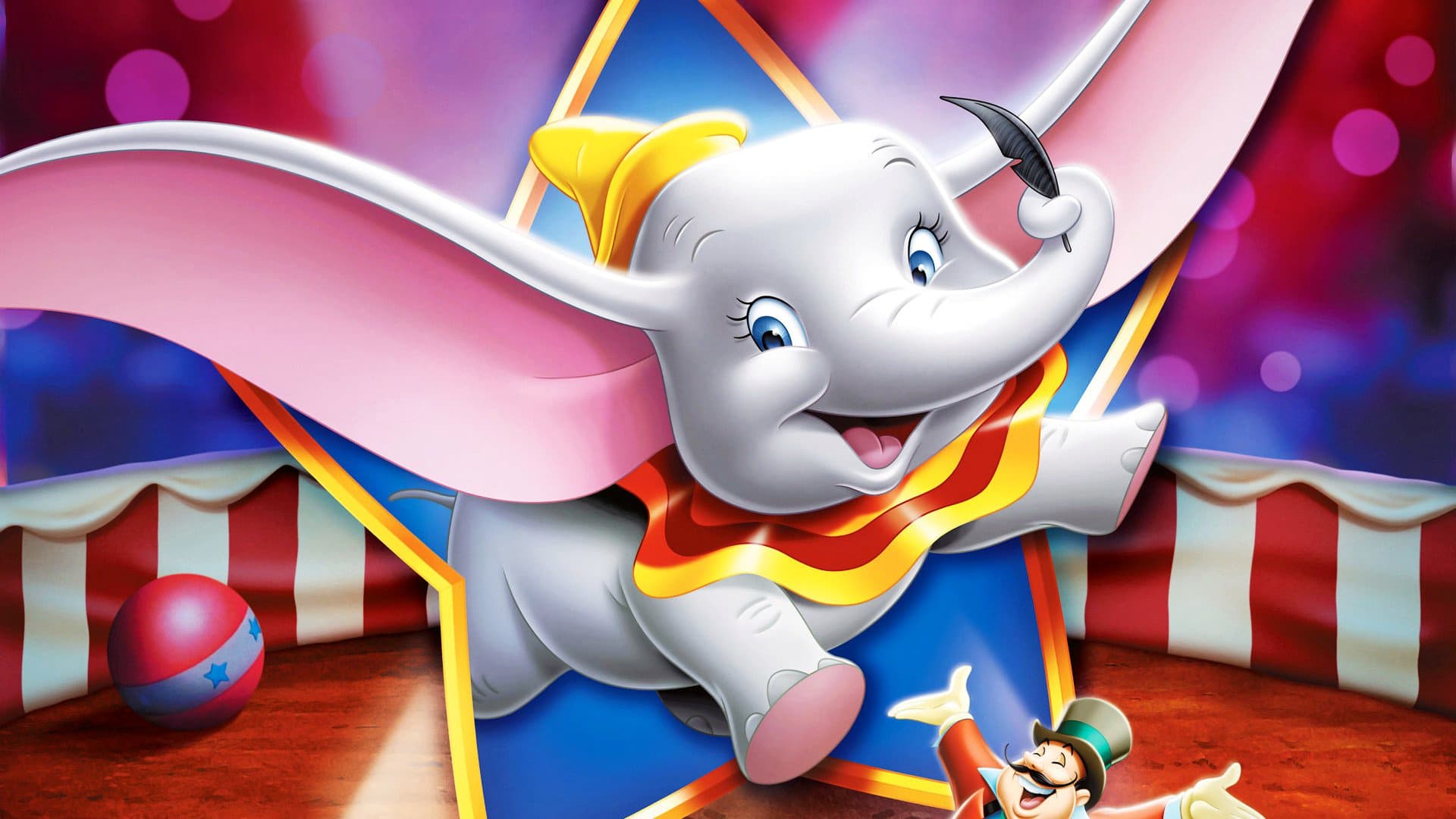
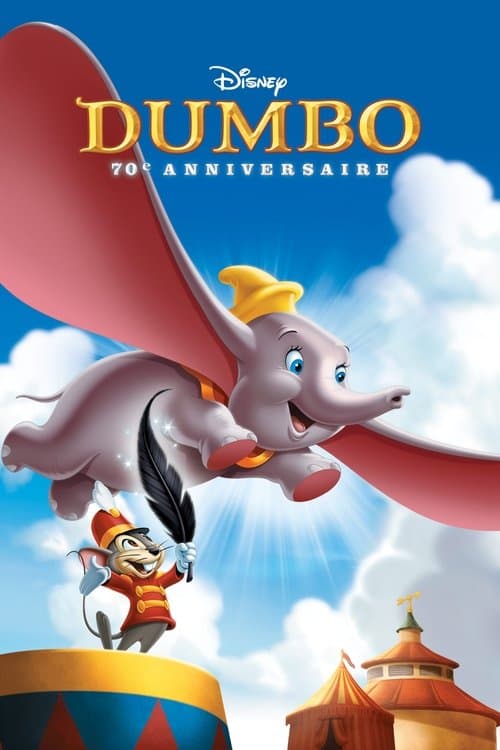
Dumbo is a Disney animated film with a broadly gentle tone but emotionally intense, containing sequences that can weigh heavily on a young child. The story follows a young elephant born with disproportionately large ears, mocked by everyone, who will discover within himself an extraordinary ability. The film appears on the surface to be aimed at young children, but its emotional content and certain sequences make it more demanding than it first seems.
Parental and Family Portrayals
The relationship between Dumbo and his mother is the emotional heart of the film, and it is treated without restraint. The mother is imprisoned, chained and isolated after simply trying to protect her baby from the ridicule of the circus children. The mother-child separation is shown with a narrative frankness that softens nothing: Dumbo finds himself alone, humiliated and without recourse. This situation generates genuine emotional distress in young viewers, and several adults report retaining a traumatic memory of it. The scene of an outstretched arm through the bars, accompanied by a lullaby, is designed to move deeply, which it does with formidable effectiveness. It is a strong narrative moment but a genuine emotional trigger to anticipate with sensitive children.
Violence
Violence is not spectacular but it is real and repeated in forms that directly affect children: the mother is beaten with a whip, chained, locked away. Dumbo is forced by disrespectful clowns to jump from dangerous heights, surrounded by flames, in a performance treated as entertainment at the expense of his fear. The film shows ordinary cruelty, that of collective mockery, children pulling his ears, indifferent adults, and this insidious form of violence is sometimes harder for a child to digest than explicit violence, precisely because it is recognisable.
Substances
Dumbo and Timothy the mouse accidentally drink champagne, which triggers a long hallucinatory sequence known as the pink elephants. The sequence is visually disorienting: misshapen forms, aggressive colours, faces without pupils, uncontrollable dreamlike logic. It lasts several minutes and is not presented as a warning, rather as a psychedelic interlude without explicit moral. For a child under six years old, this scene is frequently reported as frightening and a source of nightmares. Alcohol is not valorised but it is not really disavowed narratively either: the sequence that results from it is simply bizarre, not punitive.
Discrimination
The film contains two significant sets of stereotypical representations. The crows, black characters, speak in caricatured African-American vernacular, and their leader is named Jim Crow, a direct reference to racial segregation laws in force in the United States at the time of production. The black circus workers are shown without speech, depicted as illiterate, toiling, building the tent in the rain without status or narrative dignity. These elements are neither questioned nor distanced by the narrative: they are integrated as backdrop. For a child, these representations often go unnoticed; for a parent, they merit being named explicitly after viewing.
Underlying Values
The film's central message is solid and coherent: what makes an individual singular, even if it is a source of mockery and exclusion, can become his greatest strength. Dumbo's arc is one of self-acceptance, supported by a selfless friendship. Timothy Mouse, Dumbo's only ally, has nothing to gain materially and remains loyal through pure affective solidarity. The film also shows that victims of bullying are often unfairly blamed for what happens to them, having never provoked rejection, which is a useful entry point for discussing the mechanics of the scapegoat with a child.
Strengths
Dumbo is a short, economical film that does not accumulate subplots and goes straight to the emotional core. The lullaby Baby Mine is one of the most honestly moving compositions in the classic Disney catalogue, and the pink elephants sequence, disorienting as it may be for young children, testifies to a rare formal boldness for a film intended for young audiences. The film has the merit of not softening social cruelty or offering easy reconciliation: Dumbo is not accepted because others have changed, he asserts himself because he has accepted himself. This narrative nuance is pedagogically honest.
Age recommendation and discussion points
The film is not recommended before 5 years old due to the emotional intensity of the mother-child separation and the disturbing nature of the hallucinatory sequence. From 5-6 years old, it becomes accessible with parental support. Two angles of discussion are worth opening after viewing: why do others mock Dumbo when he has done nothing wrong, and what enables someone to overcome the opinions of others about him.
Synopsis
Dumbo is a baby elephant born with over-sized ears and a supreme lack of confidence. But thanks to his even more diminutive buddy Timothy the Mouse, the pint-sized pachyderm learns to surmount all obstacles.
About this title
- Format
- Feature film
- Year
- 1941
- Runtime
- 1h 4m
- Countries
- United States of America
- Original language
- EN
- Directed by
- Ben Sharpsteen, Norman Ferguson, Bill Roberts, Jack Kinney, Wilfred Jackson, Samuel Armstrong
- Main cast
- Edward Brophy, Margaret Wright, Verna Felton, Sarah Selby, Noreen Gammill, Dorothy Scott, Herman Bing, Cliff Edwards, Jim Carmichael, Hall Johnson
- Studios
- Walt Disney Productions
Content barometer
- Violence2/5Moderate
- Fear4/5Intense
- Sexuality0/5None
- Language0/5None
- Narrative complexity0/5Simple
- Adult themes2/5Present
Values conveyed
- Courage
- Friendship
- Acceptance of difference
- Loyalty
- self-confidence
- difference
- maternal love
- self-overcoming