
Dragons: Rescue Riders: Huttsgalor Holiday
Dragons: Rescue Riders: Huttsgalor Holiday
Your feedback improves this guide
Your feedback highlights guides that need a second look and keeps the rating trustworthy.
Does this age rating seem accurate to you?
Sign in to vote
What this film brings
Content barometer
Violence
1/5
Mild
Fear
1/5
Mild
Sexuality
0/5
None
Language
0/5
None
Narrative complexity
0/5
Simple
Adult themes
0/5
None
Expert review
This animated holiday special from the Dragons franchise offers a light winter adventure for young family viewers, with a festive mood, friendly dragons, and a simple easy to follow plot. Sensitive content mainly comes from mild peril linked to rough weather, a few moments of group panic, and rescue action where characters briefly seem at risk. The intensity stays low, with no realistic violence, no sexual content, no notable coarse language, and no scenes likely to frighten most children for long, making it much gentler than the main How to Train Your Dragon films. For parents of sensitive children, the main support would be to reassure them during the stormy or chaotic sequences and to point out that the story focuses on teamwork, generosity, and solving problems together. Most children around age 4 should handle it well, though many will be more engaged by the story from about age 5.
Synopsis
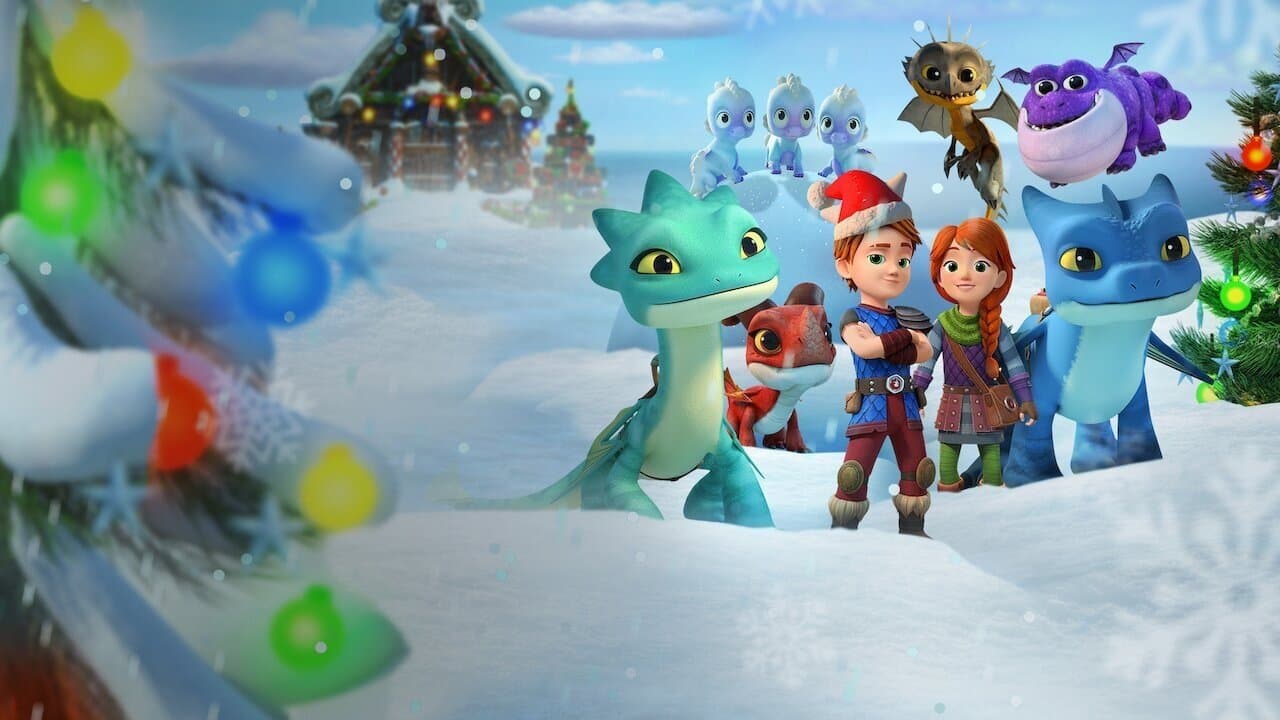
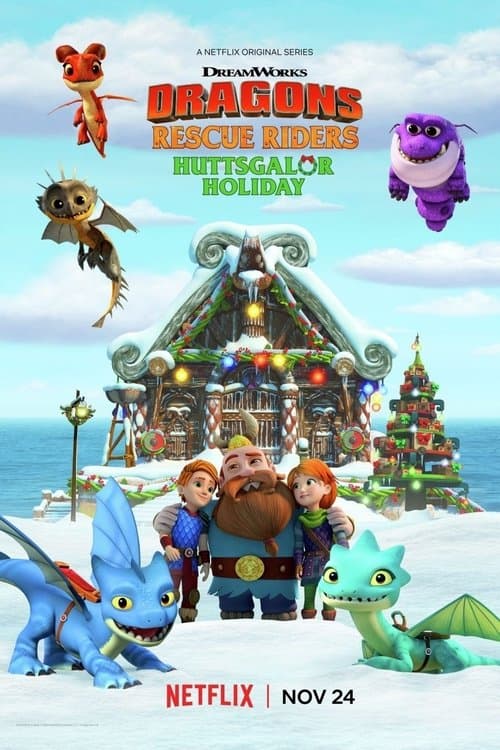
Snowfall marks the start of Odinyule — the Viking holiday of giving! But crazy weather might cancel the tradition unless the Rescue Riders can swoop in.
Difficult scenes
The story begins with unusual snowfall and rough weather that disrupts the holiday celebration. For very young viewers, these images of uncontrolled weather may cause mild worry, especially for children who are sensitive to confusion or temporary separation. When the holiday tradition seems at risk, several characters react with urgency and excitement, creating a short stretch of stress. This is not violent danger, but the idea that something important might be ruined could affect children who strongly feel disappointment or get uneasy during chaotic scenes.
Where to watch
No verified platform for the US market yet. We keep this section updated as availability changes.
Availability checked on Apr 01, 2026
About this title
- Format
- Feature film
- Year
- 2020
- Runtime
- 46m
- Countries
- United States of America
- Original language
- EN
- Studios
- DreamWorks Animation Television
Content barometer
Violence
1/5
Mild
Fear
1/5
Mild
Sexuality
0/5
None
Language
0/5
None
Narrative complexity
0/5
Simple
Adult themes
0/5
None
Expert review
This animated holiday special from the Dragons franchise offers a light winter adventure for young family viewers, with a festive mood, friendly dragons, and a simple easy to follow plot. Sensitive content mainly comes from mild peril linked to rough weather, a few moments of group panic, and rescue action where characters briefly seem at risk. The intensity stays low, with no realistic violence, no sexual content, no notable coarse language, and no scenes likely to frighten most children for long, making it much gentler than the main How to Train Your Dragon films. For parents of sensitive children, the main support would be to reassure them during the stormy or chaotic sequences and to point out that the story focuses on teamwork, generosity, and solving problems together. Most children around age 4 should handle it well, though many will be more engaged by the story from about age 5.
Synopsis
Snowfall marks the start of Odinyule — the Viking holiday of giving! But crazy weather might cancel the tradition unless the Rescue Riders can swoop in.
Difficult scenes
The story begins with unusual snowfall and rough weather that disrupts the holiday celebration. For very young viewers, these images of uncontrolled weather may cause mild worry, especially for children who are sensitive to confusion or temporary separation. When the holiday tradition seems at risk, several characters react with urgency and excitement, creating a short stretch of stress. This is not violent danger, but the idea that something important might be ruined could affect children who strongly feel disappointment or get uneasy during chaotic scenes.