
How to Train Your Dragon 2
How to Train Your Dragon 2
Your feedback improves this guide
Your feedback highlights guides that need a second look and keeps the rating trustworthy.
Does this age rating seem accurate to you?
Sign in to vote
Watch-outs
What this film brings
Content barometer
Violence
3/5
Notable
Fear
2/5
A few scenes
Sexuality
1/5
Allusions
Language
0/5
None
Narrative complexity
1/5
Accessible
Adult themes
0/5
None
Expert review
How to Train Your Dragon 2 is a large scale family adventure with a warmer visual style than live action fantasy, yet it is clearly more intense and more emotional than many films aimed at younger children. The sensitive material mainly involves repeated battle scenes, credible peril, a threatening villain, and a major family loss that can hit hard for children who are deeply attached to the characters. The violence stays stylized and bloodless, but the danger is frequent in the second half, and the emotional stakes are significantly heavier than in light preschool friendly animation. For many children, the hardest part will not be the action itself, but the grief, the fear of losing a parent, and seeing a beloved dragon briefly turned into a weapon against his friend. I would usually suggest it for around age 8 for most children, or from 7 with active parental support if the child already handles animated danger and stories involving bereavement well.
Synopsis
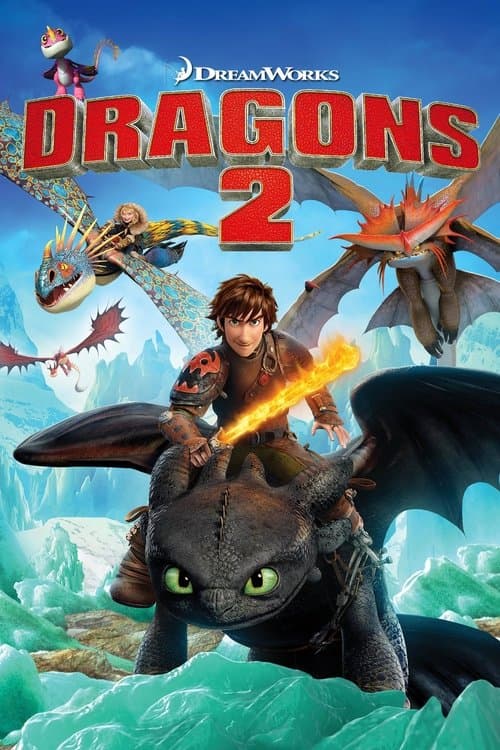
Five years after uniting the dragons and Vikings of Berk, Hiccup and Toothless soar beyond their homeland, charting the vast unknown. During one of their adventures, the pair discover a secret cave that houses hundreds of wild dragons -- and a mysterious dragon rider with a startling connection to Hiccup. And as the ruthless dragon conqueror Drago Bludvist rises to seize control of both dragons and people alike, Hiccup must step into his role as a true leader and, alongside his friends and Toothless, protect Berk from a devastating war.
Difficult scenes
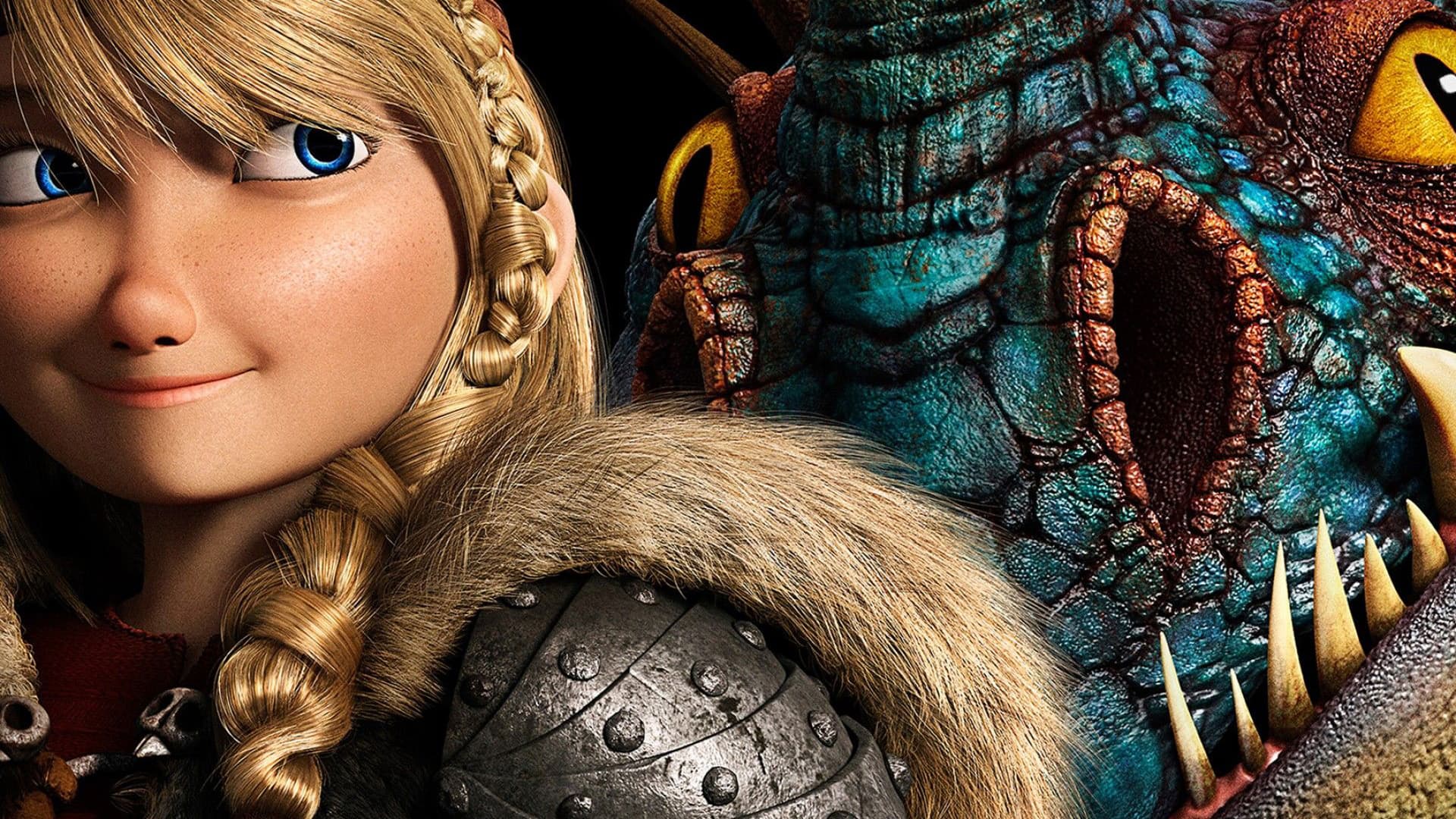
Hiccup, Astrid, and their dragons encounter trappers who capture dragons for a warlord. The sequence includes pursuit, threats, and the sense that the heroes could be taken prisoner, which may unsettle younger children even though the animation remains highly stylized. The story describes and then shows a ruthless leader who uses dragons as weapons and speaks openly about destruction on a massive scale. Several battle scenes feature attacking ships, dragons fighting, and characters thrown into chaos, creating a darker and more intense mood than in a lighter family adventure. A major turning point involves the on screen death of an important parent figure in a sudden and emotionally powerful scene. There is no graphic detail, but the grief of the surrounding characters, the shock for the hero, and the mourning that follows can be very upsetting for children. Toothless falls under a form of mind control from a dominant dragon and is forced to act against his friend. This can be especially distressing for younger viewers because a deeply comforting bond is briefly turned into a source of fear and sadness.
Where to watch
No verified platform for the US market yet. We keep this section updated as availability changes.
Availability checked on Apr 01, 2026
About this title
- Format
- Feature film
- Year
- 2014
- Runtime
- 1h 25m
- Countries
- United States of America
- Original language
- EN
- Studios
- DreamWorks Animation
Content barometer
Violence
3/5
Notable
Fear
2/5
A few scenes
Sexuality
1/5
Allusions
Language
0/5
None
Narrative complexity
1/5
Accessible
Adult themes
0/5
None
Expert review
How to Train Your Dragon 2 is a large scale family adventure with a warmer visual style than live action fantasy, yet it is clearly more intense and more emotional than many films aimed at younger children. The sensitive material mainly involves repeated battle scenes, credible peril, a threatening villain, and a major family loss that can hit hard for children who are deeply attached to the characters. The violence stays stylized and bloodless, but the danger is frequent in the second half, and the emotional stakes are significantly heavier than in light preschool friendly animation. For many children, the hardest part will not be the action itself, but the grief, the fear of losing a parent, and seeing a beloved dragon briefly turned into a weapon against his friend. I would usually suggest it for around age 8 for most children, or from 7 with active parental support if the child already handles animated danger and stories involving bereavement well.
Synopsis
Five years after uniting the dragons and Vikings of Berk, Hiccup and Toothless soar beyond their homeland, charting the vast unknown. During one of their adventures, the pair discover a secret cave that houses hundreds of wild dragons -- and a mysterious dragon rider with a startling connection to Hiccup. And as the ruthless dragon conqueror Drago Bludvist rises to seize control of both dragons and people alike, Hiccup must step into his role as a true leader and, alongside his friends and Toothless, protect Berk from a devastating war.
Difficult scenes
Hiccup, Astrid, and their dragons encounter trappers who capture dragons for a warlord. The sequence includes pursuit, threats, and the sense that the heroes could be taken prisoner, which may unsettle younger children even though the animation remains highly stylized. The story describes and then shows a ruthless leader who uses dragons as weapons and speaks openly about destruction on a massive scale. Several battle scenes feature attacking ships, dragons fighting, and characters thrown into chaos, creating a darker and more intense mood than in a lighter family adventure. A major turning point involves the on screen death of an important parent figure in a sudden and emotionally powerful scene. There is no graphic detail, but the grief of the surrounding characters, the shock for the hero, and the mourning that follows can be very upsetting for children. Toothless falls under a form of mind control from a dominant dragon and is forced to act against his friend. This can be especially distressing for younger viewers because a deeply comforting bond is briefly turned into a source of fear and sadness.