Dounia and the Princess of Aleppo
Dounia and the Princess of Aleppo
Your feedback improves this guide
Your feedback highlights guides that need a second look and keeps the rating trustworthy.
Does this age rating seem accurate to you?
Sign in to vote
Watch-outs
What this film brings
Content barometer
Violence
2/5
Moderate
Fear
2/5
A few scenes
Sexuality
0/5
None
Language
0/5
None
Narrative complexity
0/5
Simple
Adult themes
0/5
None
Expert review
This animated film tells the story of a young Syrian girl forced into exile, using a gentle, poetic style even though the background involves war and displacement. The sensitive material mainly comes from the war setting, the earlier loss of family members, the bombing of a home, family separation, fear of arrest, and several travel sequences where the characters face real danger. The visuals stay moderate and non graphic, with no explicit gore or prolonged violent imagery, but the refugee journey is central to the plot and may still feel emotionally heavy for younger viewers. Tension appears repeatedly during border crossings, the sea journey, and moments of uncertainty, though the film softens these scenes with music, imagination, and magical elements. Parents may want to watch alongside younger children and be ready to explain war, migration, and the idea that the story focuses above all on resilience, kindness, and hope.
Synopsis
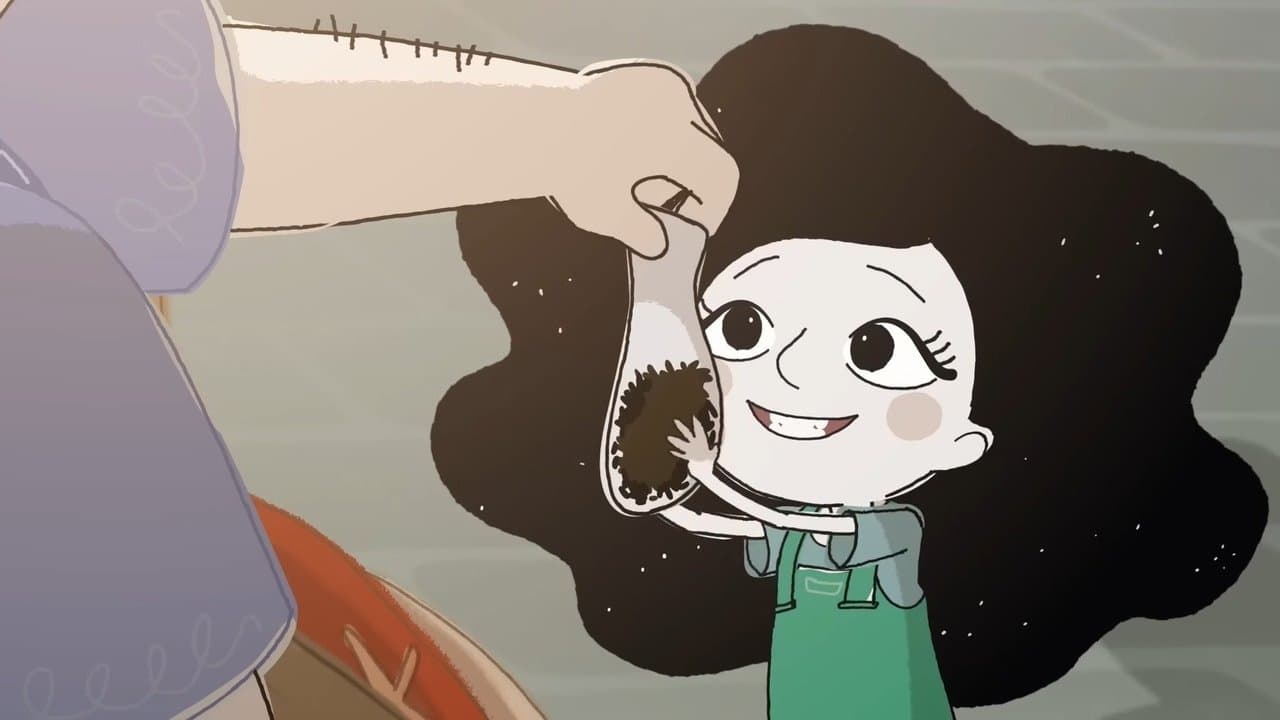
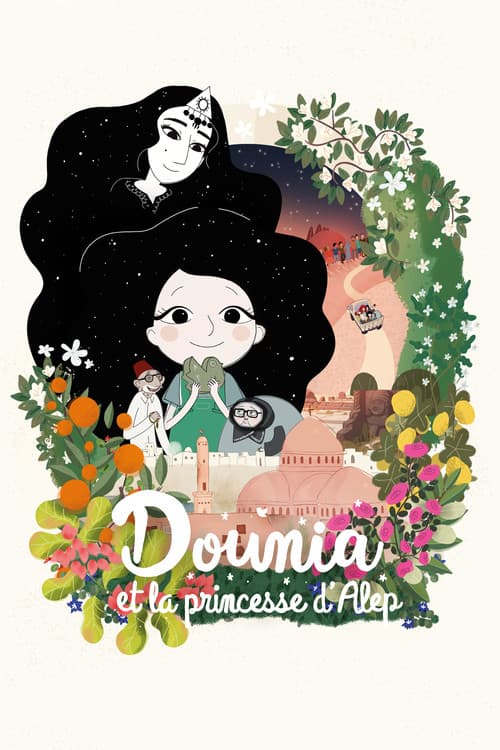
Forced to leave Syria because of the war, Dounia and her grandparents go in search of a new safe haven. As she traverses the world in search of asylum, Dounia draws strength from the wisdom of the ancient world, brought to light by her grandmother's magic nigella seeds.
Difficult scenes
The beginning already carries emotional weight for young viewers because the story mentions Dounia's mother's death and her father's arrest before the main journey begins. These events are not shown in a graphic way, but they create a real sense of family loss that may affect children who are sensitive to separation or grief. Dounia's home is hit by a bomb, which forces the family to leave. The scene can be upsetting because of the sudden idea of war reaching a child's home, even though the presentation remains suitable for younger audiences and avoids explicit injury detail. Several escape sequences show the group trying to avoid border controls and possible arrest. This creates recurring tension, because both the adults and the children are presented as vulnerable and dependent on smugglers or changing circumstances. The sea crossing is one of the film's most intense sections, with a fragile raft caught in a storm. For a young viewer, the combination of rough water, wind, and the risk of sinking can feel scary, even though the overall tone remains poetic and ultimately reassuring. Scenes in camps and waiting areas show refugees who are tired, hungry, cold, and stressed by closed borders. There is no graphic violence, but the collective distress is clear and may lead children to ask questions about injustice, poverty, and safety.
Where to watch
No verified platform for the US market yet. We keep this section updated as availability changes.
Availability checked on Apr 01, 2026
About this title
- Format
- Feature film
- Year
- 2023
- Runtime
- 1h 12m
- Countries
- Canada, France
- Original language
- FR
- Studios
- Haut et Court, Tobo Studio
Content barometer
Violence
2/5
Moderate
Fear
2/5
A few scenes
Sexuality
0/5
None
Language
0/5
None
Narrative complexity
0/5
Simple
Adult themes
0/5
None
Expert review
This animated film tells the story of a young Syrian girl forced into exile, using a gentle, poetic style even though the background involves war and displacement. The sensitive material mainly comes from the war setting, the earlier loss of family members, the bombing of a home, family separation, fear of arrest, and several travel sequences where the characters face real danger. The visuals stay moderate and non graphic, with no explicit gore or prolonged violent imagery, but the refugee journey is central to the plot and may still feel emotionally heavy for younger viewers. Tension appears repeatedly during border crossings, the sea journey, and moments of uncertainty, though the film softens these scenes with music, imagination, and magical elements. Parents may want to watch alongside younger children and be ready to explain war, migration, and the idea that the story focuses above all on resilience, kindness, and hope.
Synopsis
Forced to leave Syria because of the war, Dounia and her grandparents go in search of a new safe haven. As she traverses the world in search of asylum, Dounia draws strength from the wisdom of the ancient world, brought to light by her grandmother's magic nigella seeds.
Difficult scenes
The beginning already carries emotional weight for young viewers because the story mentions Dounia's mother's death and her father's arrest before the main journey begins. These events are not shown in a graphic way, but they create a real sense of family loss that may affect children who are sensitive to separation or grief. Dounia's home is hit by a bomb, which forces the family to leave. The scene can be upsetting because of the sudden idea of war reaching a child's home, even though the presentation remains suitable for younger audiences and avoids explicit injury detail. Several escape sequences show the group trying to avoid border controls and possible arrest. This creates recurring tension, because both the adults and the children are presented as vulnerable and dependent on smugglers or changing circumstances. The sea crossing is one of the film's most intense sections, with a fragile raft caught in a storm. For a young viewer, the combination of rough water, wind, and the risk of sinking can feel scary, even though the overall tone remains poetic and ultimately reassuring. Scenes in camps and waiting areas show refugees who are tired, hungry, cold, and stressed by closed borders. There is no graphic violence, but the collective distress is clear and may lead children to ask questions about injustice, poverty, and safety.