
Dounia and the Princess of Aleppo

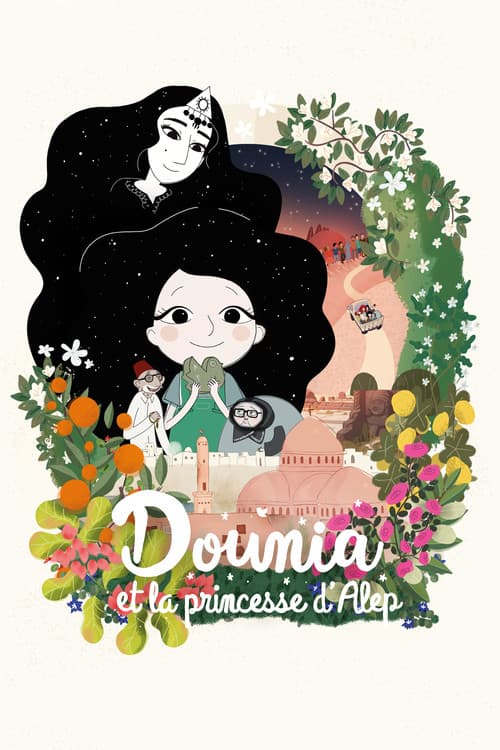
Dounia and the Princess of Aleppo
Your feedback improves this guide
Your feedback highlights guides that need a second look and keeps the rating trustworthy.
Does this age rating seem accurate to you?
Sign in to vote
Watch-outs
What this film brings
Content barometer
Violence
2/5
Moderate
Fear
3/5
Notable tension
Sexuality
0/5
None
Language
0/5
None
Narrative complexity
0/5
Simple
Adult themes
0/5
None
Detailed parental analysis
ⓘ- Social Themes
- Violence
- Parental and Family Portrayals
- Underlying Values
Dounia and the Princess of Aleppo is an animated film with a poetic and melancholic atmosphere that addresses the war in Syria and exile through the eyes of a young girl. The plot follows Dounia, who flees Aleppo with her family and finds in the legends passed down by her grandmother the strength to endure the ordeal. The film is primarily aimed at children from 6-7 years old, but the themes it addresses also make it a relevant tool for dialogue between parents and children.
Social Themes
War in Syria and exile form the very heart of the narrative: bombardments, the father's arrest by militiamen, a nocturnal flight across the sea with the risk of drowning, food insecurity. These elements are not avoided, but treated with a narrative gentleness that protects the young viewer from a direct shock. The film chooses poetry over documentary realism, which has the effect of deeply humanising the reality of migration without erasing its gravity. Some parents may find this enchanting perspective slightly idealistic; that is precisely where the discussion after viewing gains its full value.
Violence
Violence is present but never gratuitous nor gory. Explosions and bombardments are visible on screen, the family home is destroyed, and the death of a pet, Dounia's canary, constitutes a moment of genuine sorrow for young viewers. The father's arrest by militiamen is shown, as are scenes of flight under helicopter fire. The overall tone remains emotionally charged without tipping into violent spectacle: the narrative purpose is clearly one of testimony and empathy, not gratuitous trauma.
Parental and Family Portrayals
The paternal figure is brutally torn from the family through arrest, placing the child before the forced absence of a parent in an abrupt manner. The grandmother occupies a central and benevolent place, transmitting stories, recipes and music with a warm and stabilising presence. The death of Dounia's mother at her birth is recounted in the film, which means the child is confronted from the outset with a fundamental absence. These fragmented or absent parental representations deserve to be anticipated, especially for children who have themselves experienced family separations.
Underlying Values
The film structures its narrative around intergenerational transmission as a bulwark against destruction: the grandmother embodies Syrian cultural memory, with her legends and recipes becoming tools of symbolic survival. Resilience and family love are the drivers of the narrative, without ever lapsing into explicit moralising. Goodwill towards migrant people is carried as a narrative given rather than as a lesson, which makes it all the more naturally integrated for the young viewer.
Strengths
The film succeeds in making a complex geopolitical reality tangible without oversimplifying it or rendering it inaccessible to children. The transmission of Syrian culture, through traditional music, the legends of Aleppo and everyday gestures, gives the narrative a cultural depth rare in animated cinema aimed at young audiences. The use of a magical and poetic lens is a genuine narrative risk: it allows the child to traverse difficult images with symbolic mediation, whilst leaving adults grasping the harshness of the depicted facts. It is a film that opens difficult conversations without forcing its way in, which is a genuine pedagogical quality.
Age recommendation and discussion points
The film is recommended from 6-7 years old, provided that parents are available to accompany the viewing and answer the questions that scenes of war, arrest or sea crossing will inevitably raise. Two angles for discussion emerge after the film: why must these families flee their country, and how can a story or a song help one traverse something very difficult.
Synopsis
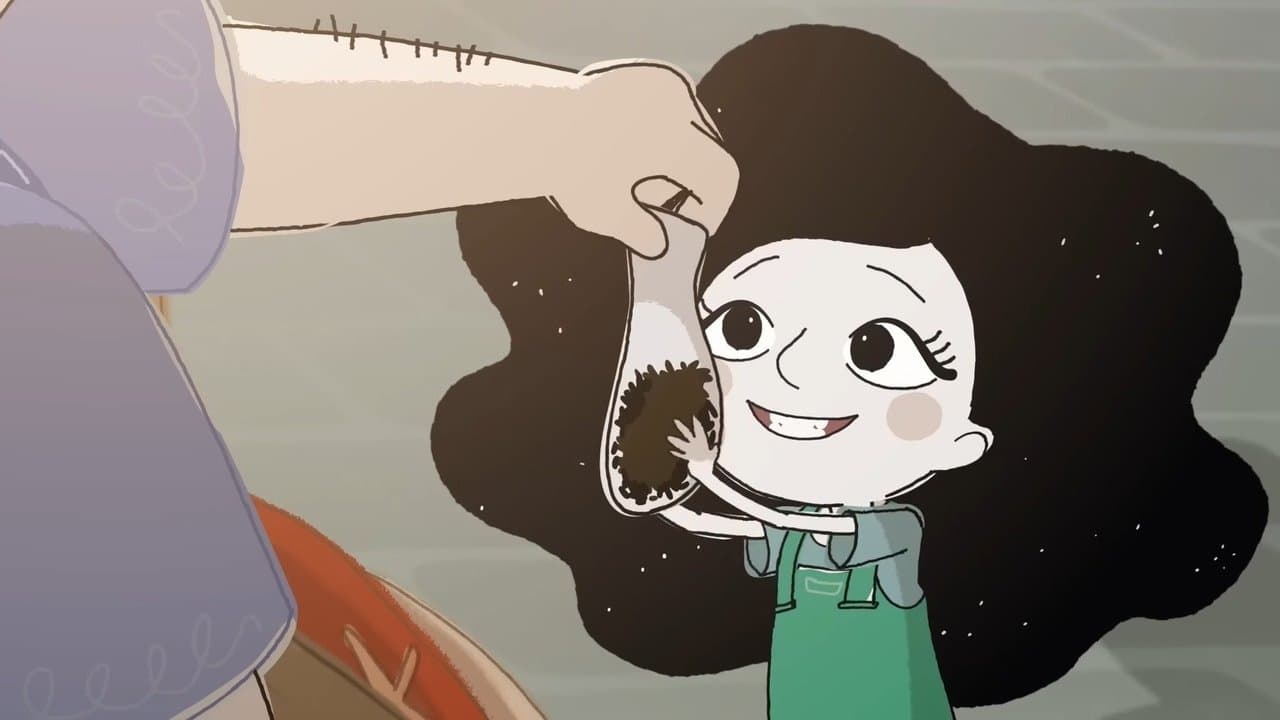
Forced to leave Syria because of the war, Dounia and her grandparents go in search of a new safe haven. As she traverses the world in search of asylum, Dounia draws strength from the wisdom of the ancient world, brought to light by her grandmother's magic nigella seeds.
Where to watch
No verified platform for the US market yet. We keep this section updated as availability changes.
Availability checked on Apr 01, 2026
About this title
- Format
- Feature film
- Year
- 2023
- Runtime
- 1h 12m
- Countries
- Canada, France
- Original language
- FR
- Studios
- Haut et Court, Tobo Studio
Content barometer
Violence
2/5
Moderate
Fear
3/5
Notable tension
Sexuality
0/5
None
Language
0/5
None
Narrative complexity
0/5
Simple
Adult themes
0/5
None
Detailed parental analysis
ⓘ- Social Themes
- Violence
- Parental and Family Portrayals
- Underlying Values
Dounia and the Princess of Aleppo is an animated film with a poetic and melancholic atmosphere that addresses the war in Syria and exile through the eyes of a young girl. The plot follows Dounia, who flees Aleppo with her family and finds in the legends passed down by her grandmother the strength to endure the ordeal. The film is primarily aimed at children from 6-7 years old, but the themes it addresses also make it a relevant tool for dialogue between parents and children.
Social Themes
War in Syria and exile form the very heart of the narrative: bombardments, the father's arrest by militiamen, a nocturnal flight across the sea with the risk of drowning, food insecurity. These elements are not avoided, but treated with a narrative gentleness that protects the young viewer from a direct shock. The film chooses poetry over documentary realism, which has the effect of deeply humanising the reality of migration without erasing its gravity. Some parents may find this enchanting perspective slightly idealistic; that is precisely where the discussion after viewing gains its full value.
Violence
Violence is present but never gratuitous nor gory. Explosions and bombardments are visible on screen, the family home is destroyed, and the death of a pet, Dounia's canary, constitutes a moment of genuine sorrow for young viewers. The father's arrest by militiamen is shown, as are scenes of flight under helicopter fire. The overall tone remains emotionally charged without tipping into violent spectacle: the narrative purpose is clearly one of testimony and empathy, not gratuitous trauma.
Parental and Family Portrayals
The paternal figure is brutally torn from the family through arrest, placing the child before the forced absence of a parent in an abrupt manner. The grandmother occupies a central and benevolent place, transmitting stories, recipes and music with a warm and stabilising presence. The death of Dounia's mother at her birth is recounted in the film, which means the child is confronted from the outset with a fundamental absence. These fragmented or absent parental representations deserve to be anticipated, especially for children who have themselves experienced family separations.
Underlying Values
The film structures its narrative around intergenerational transmission as a bulwark against destruction: the grandmother embodies Syrian cultural memory, with her legends and recipes becoming tools of symbolic survival. Resilience and family love are the drivers of the narrative, without ever lapsing into explicit moralising. Goodwill towards migrant people is carried as a narrative given rather than as a lesson, which makes it all the more naturally integrated for the young viewer.
Strengths
The film succeeds in making a complex geopolitical reality tangible without oversimplifying it or rendering it inaccessible to children. The transmission of Syrian culture, through traditional music, the legends of Aleppo and everyday gestures, gives the narrative a cultural depth rare in animated cinema aimed at young audiences. The use of a magical and poetic lens is a genuine narrative risk: it allows the child to traverse difficult images with symbolic mediation, whilst leaving adults grasping the harshness of the depicted facts. It is a film that opens difficult conversations without forcing its way in, which is a genuine pedagogical quality.
Age recommendation and discussion points
The film is recommended from 6-7 years old, provided that parents are available to accompany the viewing and answer the questions that scenes of war, arrest or sea crossing will inevitably raise. Two angles for discussion emerge after the film: why must these families flee their country, and how can a story or a song help one traverse something very difficult.
Synopsis
Forced to leave Syria because of the war, Dounia and her grandparents go in search of a new safe haven. As she traverses the world in search of asylum, Dounia draws strength from the wisdom of the ancient world, brought to light by her grandmother's magic nigella seeds.