DOTA: Dragon's Blood
Does this age rating seem accurate to you?
Detailed parental analysis
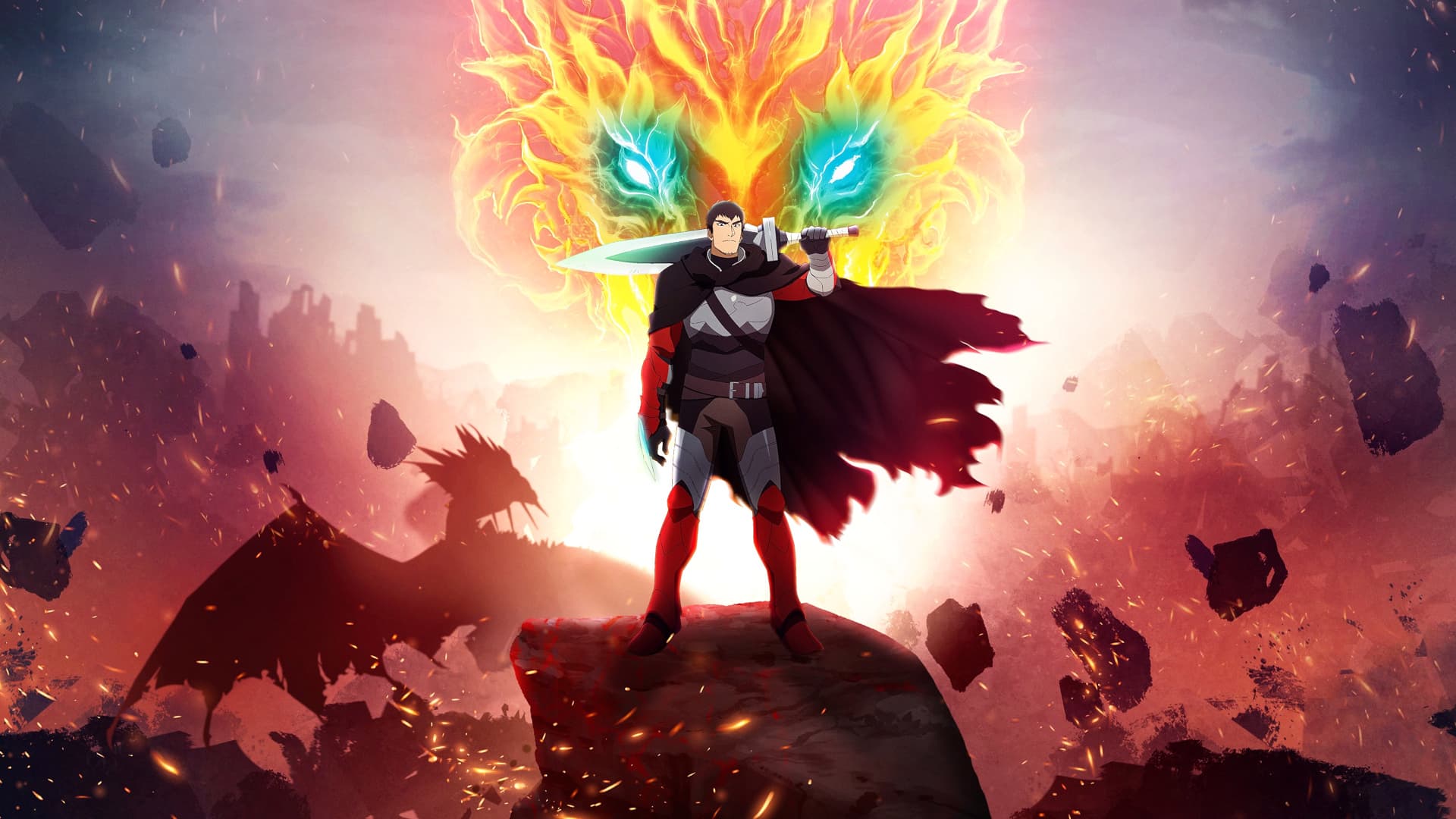
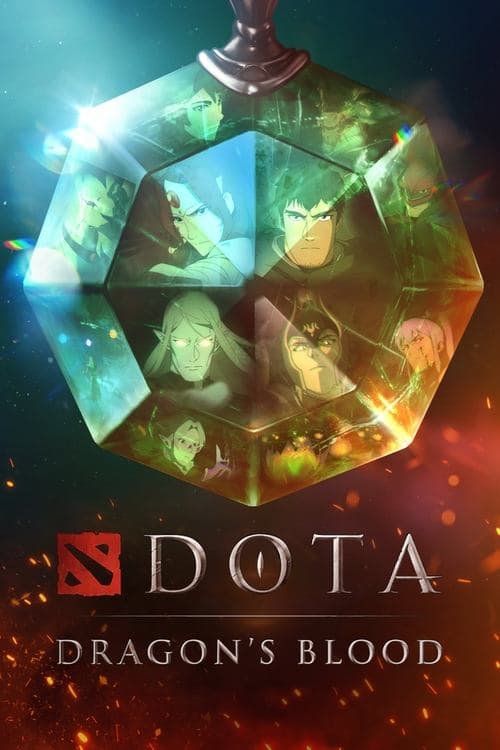
DOTA: Dragon's Blood is a dark fantasy animated series with a grim and violent atmosphere, adapted from the online video game universe of the same name. It follows Davion, a dragon slayer whose fate is upended when he becomes bound to an ancient and colossal force, whilst an elven princess seeks to recover sacred lotuses stolen by a corrupted goddess. The series is clearly aimed at older teenagers and adults, with dense storytelling and deliberately mature content.
Violence
Violence is omnipresent, intense and regularly graphic. Decapitations, mutilated bodies, spurting blood and massive destruction are commonplace from one episode to the next. This violence is not entirely gratuitous: it serves an epic narrative that seeks to impress upon the viewer the human cost of conflict, and certain characters bear the moral weight of their actions. That said, several sequences venture into gore territory without particular narrative purpose, functioning more as spectacle than as commentary. For a teenager, the question to raise is less about fear than about the normalisation of an aestheticised and repeated violence.
Sex and Nudity
The series contains clearly depicted sexual scenes, notably characters shown nude after intercourse, direct allusions to recreational relationships and religious rituals with an erotic character involving a goddess and her followers. Representations of lesbians and orgies are present, treated without particular restraint. Nudity is not systematically eroticised but it is present and deliberate. This level of content is incompatible with viewing for under-15 or 16-year-olds.
Underlying Values
The series avoids simple manichaeism: several characters defend noble causes in conflict with one another, and the antagonists possess an internal coherence that invites reflection rather than outright rejection. Revenge is a recurring narrative driver and characters who surrender to it find their judgement clouded, which constitutes a genuine moral statement. However, the goddess Selemene embodies a figure of religious authority who abuses her power to obtain sexual favours, an angle that merits discussion with a teenager in relation to the notion of consent and relationship to the sacred. Compassion and the capacity to recognise the humanity of the enemy are valued consistently through the protagonist.
Substances
Alcohol is present in a recurring manner: characters are shown intoxicated in taverns and inns, without this behaviour being explicitly condemned or particularly glorified. It is a backdrop element proper to the medieval fantasy genre, but the repetition of such scenes makes it a point worth flagging for parents of younger teenagers.
Language
The language is crude and frequent, with profanity including strong formulas in English whose rendering in the dubbed French version varies according to localisation. This register fits with the adult tone of the series and will not surprise teenagers accustomed to the genre, but it is sufficiently pronounced to warrant mention.
Discrimination
The series explicitly depicts discrimination against elves, treated as a marginalised and despised population by part of humanity. The protagonist Davion chooses to respect and defend this group despite prevailing prejudices, which makes it a fertile angle for discussion: how does one conduct oneself in the face of injustice towards a group that society devalues?
Social Themes
The series explores, through its worldbuilding, themes of war, religious domination and power relations between peoples. The figure of the goddess who instrumentalises the faith of her followers for personal ends constitutes a critical representation of corrupted religious authority, sufficiently direct to merit discussion with a teenager on the distinction between spirituality and coercion.
Strengths
The series demonstrates ambitious writing for the fantasy animation format: character arcs are constructed with care, motivations are complex and the narrative plays across multiple perspectives in parallel without losing the viewer. The world is coherent, richly detailed, and moral conflicts are not resolved cheaply. For a mature teenager, it is an effective introduction to adult epic fantasy, with a narrative density that calls for attentiveness and reconsideration of each character's intentions. The series also constitutes an interesting bridge for young players familiar with the original video game universe.
Age recommendation and discussion points
The series is not suitable before age 15 due to repeated graphic violence, explicit sexual representations and crude language. For a teenager aged 16 and above, it offers rich material for discussion: why do certain characters allow their thirst for revenge to distort their sense of justice, and what does the figure of the goddess Selemene say about the abuse of authority and manipulation under the guise of the sacred?
Synopsis
After encounters with a dragon and a princess on her own mission, a Dragon Knight becomes embroiled in events larger than he could have ever imagined.
Where to watch
Availability checked on Apr 03, 2026
About this title
- Format
- TV series
- Year
- 2021
- Runtime
- 25m
- Countries
- South Korea, United States of America
- Original language
- EN
- Directed by
- Ashley Miller
- Studios
- Studio Mir, Kaiju Boulevard
Content barometer
- Violence5/5Very strong
- Fear3/5Notable tension
- Sexuality4/5Explicit
- Language4/5Strong
- Narrative complexity1/5Accessible
- Adult themes2/5Present
Watch-outs
- Death
- Alcohol
- Strong language
- Violence
- Sexuality
Values conveyed
- Courage
- Acceptance of difference
- Compassion
- loyalty
- sacrifice
- friendship