Dora and the Search for Sol Dorado
Does this age rating seem accurate to you?
Detailed parental analysis
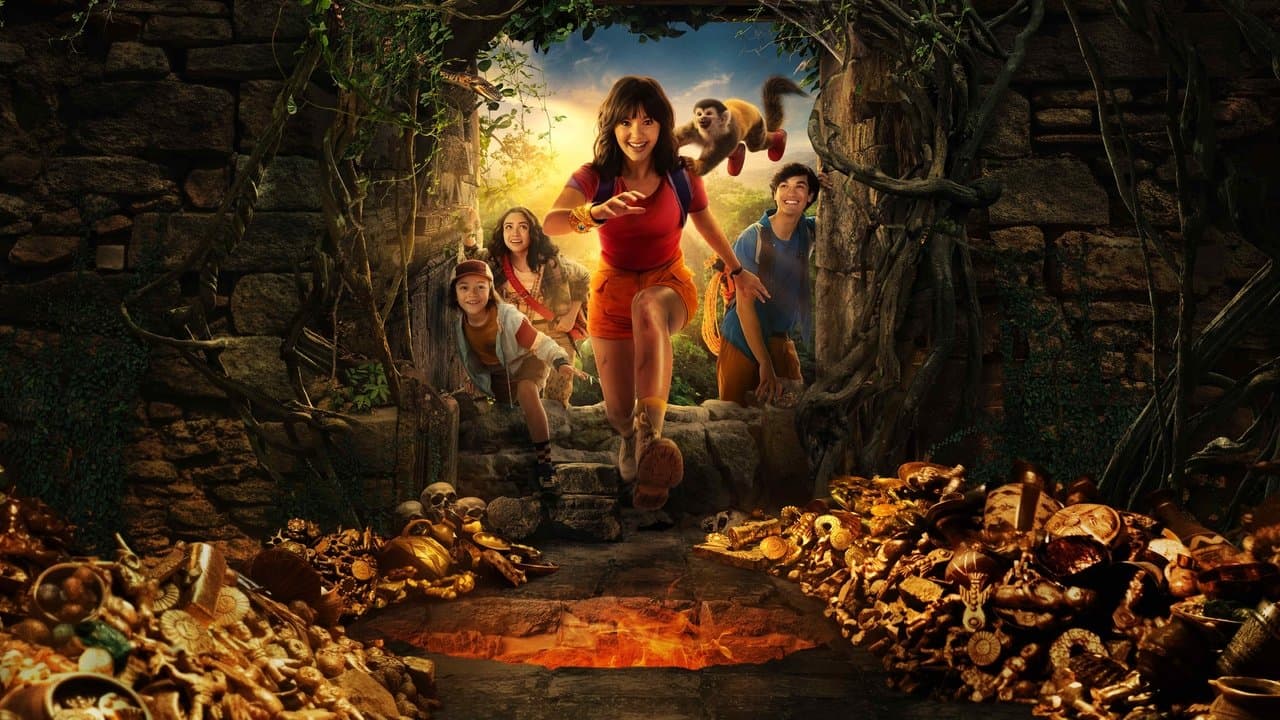
Dora and the Lost City of Gold is a family adventure film with a bright and colourful atmosphere, driven by constant energy and several sequences of genuine tension. A young explorer sets out with her loved ones in search of a legendary city, facing traps, antagonists and obstacles of all kinds. The film targets primarily children aged 7 to 12, with enough sustained action to hold the interest of older siblings.
Violence
This is the most significant dimension for parents. The film accumulates sequences of physical peril: hand-to-hand combat between adults, direct threats with knife or sword directed at children, characters bound and restrained with one narrowly avoiding mutilation, fatal falls from height with audible screams, a poisoned dart that incapacitates a character, and high-speed chases with pedestrians in danger. None of these scenes is gratuitous or gory; they serve the film's adventure mechanics and remain within the register of family action cinema. However, the intensity is real and relentless, without genuine breathing room between sequences of tension. For a child under 7, this succession can be unsettling; for the targeted 8-12 year-olds, the balance remains within the norms of the genre.
Underlying Values
The film builds its narrative around cooperation and attentiveness to others, values affirmed by the structure of collective challenges. The group progresses because it listens and adapts, not because a single hero imposes his solution. This is a solid and coherent narrative anchor, capable of sustaining a post-film conversation about what it truly means to work together.
Parental and Family Portrayals
The extended Latin American family unit is represented in a warm but idealised manner: grandparents, uncles and aunts orbit a perpetually active household, in good spirits, oriented towards food and sharing. This image is positive in its intention but uniformly smooth, without roughness or internal conflict. It warrants a brief discussion with the child about the difference between affectionate representation and diverse family reality.
Discrimination
The family depicted functions as an idealised archetype of a multigenerational Latin American household: constant cooking, unbroken good humour, friction-free solidarity. This portrait, whilst affectionate, reduces a group to a few recurring cultural markers. The film does not question this representation; it uses it as a reassuring backdrop. This is not a toxic message, but it is a stereotyped shortcut that a parent can point out to an inquisitive child.
Strengths
The film naturally integrates English-Spanish bilingualism into its narration without turning it into an artificial pedagogical exercise, which gives it a rare cultural fluidity within the genre. The step-by-step adventure structure is clear and well-paced, with traps and riddles that maintain coherent internal logic. The grounding in accessible pre-Columbian mythology offers an entry point to an imagination rarely explored in mainstream family cinema, which constitutes genuine added value for curious children.
Age recommendation and discussion points
The film is suitable from age 8 for comfortable viewing; some 7-year-olds well at ease with action films may find it rewarding, but children under 7 will be exposed to sequences of peril too intense for their stage of development. After viewing, two discussion points are worth pursuing: ask the child which group decision seemed most important to them and why nobody could achieve it alone, and invite them to reflect on what the film shows about family, asking whether all families really look like that.
Synopsis
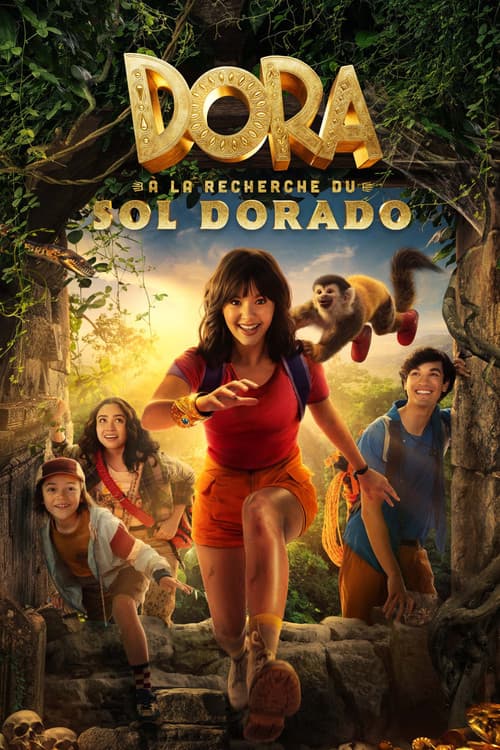
Dora, Diego, and their new friends trek through the perilous dangers of the Amazonian jungle in search of the ancient and powerful treasure of Sol Dorado to keep it out of enemy hands.
About this title
- Format
- Feature film
- Year
- 2025
- Runtime
- 1h 36m
- Countries
- United States of America
- Original language
- EN
- Directed by
- Alberto Belli
- Main cast
- Samantha Lorraine, Jacob Rodriguez, Mariana Garzón Toro, Acston Luca Porto, Christian Gnecco Quintero, Gabriel Iglesias, Daniella Pineda, Jacqueline Obradors, María Cecilia Botero, Valentina Latyna Plascencia
- Studios
- Nickelodeon Movies, Nickelodeon Productions
Content barometer
- Violence3/5Notable
- Fear3/5Notable tension
- Sexuality0/5None
- Language0/5None
- Narrative complexity1/5Accessible
- Adult themes0/5None
Watch-outs
- Death
- Ethnic or racial stereotypes
Values conveyed
- Courage
- Perseverance
- friendship
- teamwork
- self confidence