Disenchanted
Does this age rating seem accurate to you?
Detailed parental analysis
Disenchanted is a fantasy musical comedy with a contrasting atmosphere, oscillating between the lightness of a fairy tale and a deliberate darkness in its second act. A fairy tale princess who has settled into real life makes a reckless wish that transforms her surroundings and her own personality, with threatening consequences for those she loves. The film is primarily aimed at children aged 6 to 10 and parents who grew up with the first instalment released in 2007.
Underlying Values
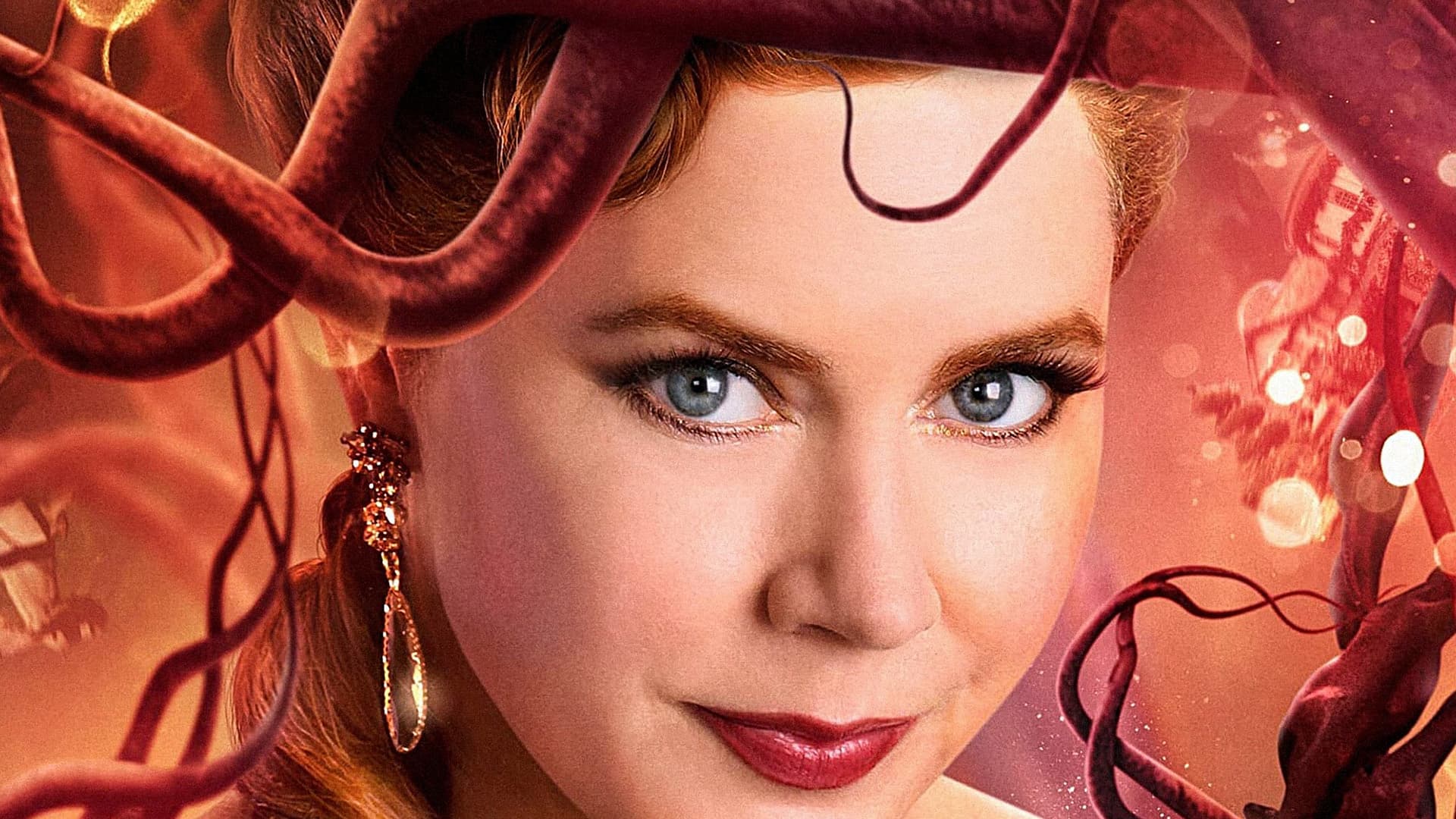
The stepmother and stepdaughter relationship is the emotional engine of the film. Giselle, a substitute maternal figure, tilts towards authoritarianism and malevolence, which constitutes a disturbing pattern for young children accustomed to seeing her as a positive character. This transformation is intentional and thematically justified, but it can be unsettling for children aged 5 or 6 without prior preparation. The father is present but plays little active role in resolving the conflict, which implicitly reinforces the narrative burden on female characters.
Parental and Family Portrayals
The stepmother and stepdaughter relationship is the emotional engine of the film. Giselle, a substitute maternal figure, tilts towards authoritarianism and malevolence, which constitutes a disturbing pattern for young children accustomed to seeing her as a positive character. This transformation is intentional and thematically justified, but it can be unsettling for children aged 5 or 6 without prior preparation. The father is present but plays little active role in resolving the conflict, which implicitly reinforces the narrative burden on female characters.
Violence
The film contains several sequences of intense peril: fires, destructive vines engulfing the ground, a character catching fire, dragons, giants, spells and the explicit threat of world destruction. These scenes are treated in a fantastical register and are not graphic, but they accumulate in the second act with sustained frequency. For a child under 6 years old, the combination of physical peril and the transformation of a beloved figure into an antagonist can generate genuine fright.
Discrimination
The film deliberately draws on fairy tale stereotypes, notably the wicked stepmother, the ingenuous princess and the ideal village frozen in illusory perfection, to better subvert them or expose their alienating character. This use of stereotypes is narratively functional rather than naive, even if the deconstruction remains partial and not always fully realised. It is a useful entry point for discussing with a child the clichés he or she has already integrated through other films of the genre.
Strengths
The film has the merit of taking a genuine narrative risk by rendering its main character morally ambiguous, which is unusual in this type of sequel intended for a young audience. The exploration of nostalgia as a trap and of idealisation of the past as a refusal to accept present reality is an adult idea slipped into a children's narrative. The decorations of the enchanted village are visually inventive. In contrast, the pacing is uneven, the musical numbers lack the energy of the first film, and the narrative resolution sacrifices the accumulated emotional complexity in favour of a reassuring but overly swift conclusion.
Age recommendation and discussion points
The film is suitable from age 6 for children comfortable with intense fantastical twists, and fully reassuring from age 7 onwards. Two concrete angles for discussing it after viewing: ask the child why Giselle, who loves her stepdaughter, ends up doing her harm, and explore together the idea that a wish that seems good can have effects one had not foreseen.
Synopsis
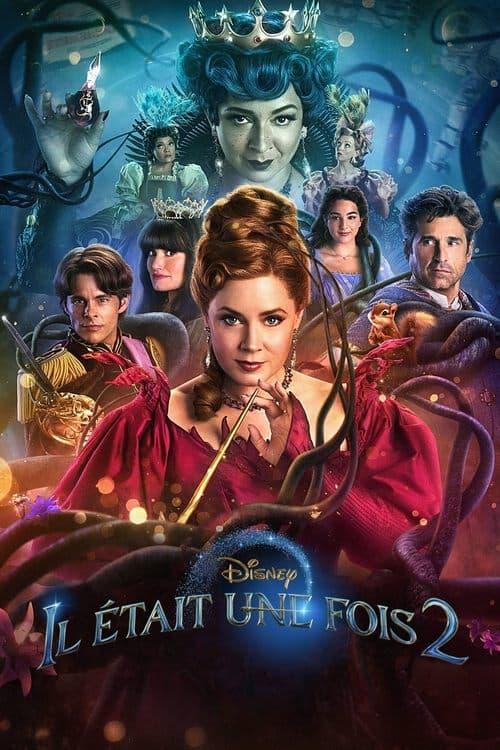
Disillusioned with life in the city, feeling out of place in suburbia, and frustrated that her happily ever after hasn’t been so easy to find, Giselle turns to the magic of Andalasia for help. Accidentally transforming the entire town into a real-life fairy tale and placing her family’s future happiness in jeopardy, she must race against time to reverse the spell and determine what happily ever after truly means to her and her family.
About this title
- Format
- Feature film
- Year
- 2022
- Runtime
- 1h 58m
- Countries
- United States of America
- Original language
- EN
- Directed by
- Adam Shankman
- Main cast
- Amy Adams, Patrick Dempsey, James Marsden, Maya Rudolph, Gabriella Baldacchino, Rachel Duff, Idina Menzel, Yvette Nicole Brown, Jayma Mays, Kolton Stewart
- Studios
- Walt Disney Pictures, Josephson Entertainment, Right Coast
Content barometer
- Violence2/5Moderate
- Fear3/5Notable tension
- Sexuality0/5None
- Language1/5Mild
- Narrative complexity2/5Moderate
- Adult themes0/5None
Watch-outs
- Gender stereotypes
Values conveyed
- Acceptance of difference
- Compassion
- Forgiveness
- family
- adoption
- courage
- reconciliation