
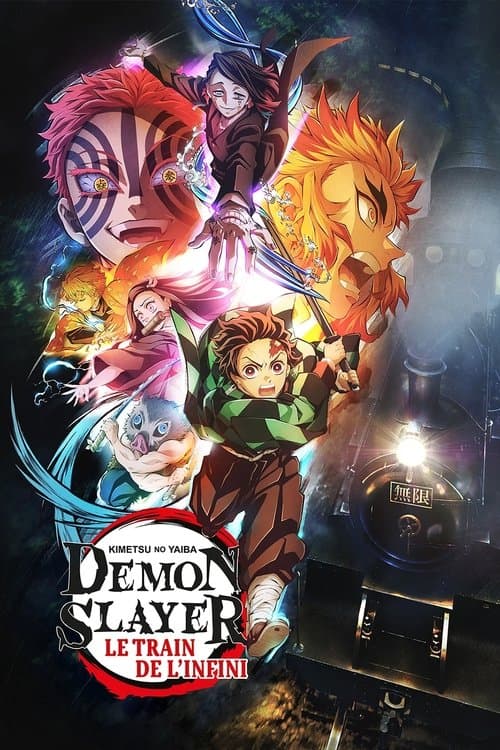
Demon Slayer -Kimetsu no Yaiba- The Movie: Mugen Train
劇場版「鬼滅の刃」無限列車編
Does this age rating seem accurate to you?
Detailed parental analysis
Demon Slayer: Kimetsu no Yaiba - The Movie: Mugen Train is a Japanese animated film with a dark and spectacular atmosphere, driven by relentless tension and combat sequences of remarkable visual intensity. The plot follows a young demon slayer and his companions who board a mysterious train where passengers are disappearing, under the protection of a powerful pillar from their order. The film is primarily aimed at teenagers and young adults who are familiar with the franchise or the shōnen genre, and is not suitable for a young audience.
Violence
Violence is the most structuring element of the film and the primary reason for parental vigilance. Combat scenes are frequent, prolonged and visually intense: decapitations of demons, masses of grotesque flesh bristling with eyes and tentacles, deep wounds and abundant blood. One scene in particular warrants advance notice: the protagonist cuts his own throat in a dream sequence to escape a nightmare, presented as an act of lucidity and willpower rather than a gesture of despair, but whose visual impact remains strong. The violence is narratively justified and embedded in a clear logic of good versus evil, without gratuitous indulgence, which gives it a purpose that can be discussed with a teenager. That said, the accumulation and anatomical realism of certain sequences exceed what the shōnen genre typically offers.
Underlying Values
The film carries solid and coherent structural values. The duty to protect the weak takes precedence over individual survival, and the character of the pillar embodies with rare emotional force the idea that sacrifice willingly undertaken for others can constitute an act of fulfilment rather than defeat. Loyalty to those close to you, perseverance in the face of adversity and compassion as a driver of action run through the narrative from beginning to end. These values are not simply displayed: they are tested by the characters in circumstances that genuinely cost them something, which makes them credible and conducive to discussion.
Parental and Family Portrayals
Parental and family figures hold a central place, notably through dream sequences where characters relive happy memories with their disappeared or lost families. These representations are charged with painful nostalgia and deep attachment, treated with considerable emotional care. The mentor figure also functions as a strong parental substitute, embodying a benevolent authority founded on example rather than constraint. The death of a beloved character near the end of the film provokes an intense emotional response, which many children and adolescents experience as their first serious cinematic encounter with grief.
Language
Language is generally moderate, with a few instances of familiar exclamations and mild profanities in exchanges between characters. Nothing that exceeds the level of a mainstream action film for teenagers.
Strengths
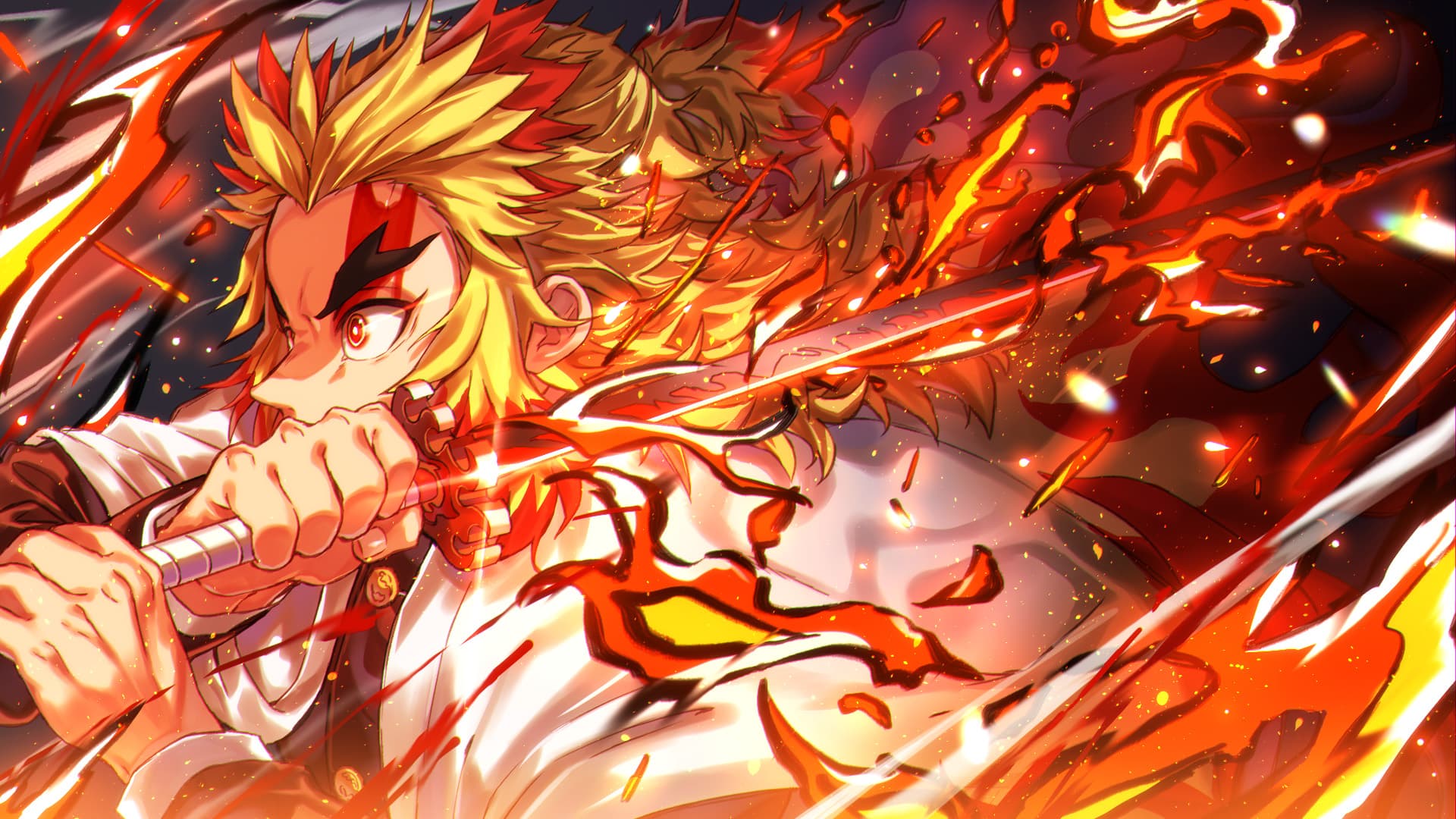
The film impresses with the emotional coherence of its narrative: the most spectacular action sequences are always grounded in the psychology of the characters, which avoids the pitfall of hollow visual entertainment. The dreams of the protagonists, which open a window onto their intimate wounds and deepest desires, constitute moments of genuine narrative intelligence. The character of the pillar is written with unusually strong depth for the genre: his philosophy of life, his relationship with death and the way he embodies his convictions to the end make him a memorable character and genuinely transmissible to a teenager as a figure for reflection. The film also offers a serious introduction to grief, powerlessness in the face of loss and the question of what can be gained from a life that is brief but fully lived.
Age recommendation and discussion points
The film is not recommended for children under 12 due to graphic violence, body horror imagery and the dream suicide scene. For a serene and rewarding viewing experience, 14 years is a more reasonable threshold. Two concrete angles merit discussion after viewing: what the film says about wilful sacrifice and the difference between dying for something and dying of something, and why the dream scene where characters must choose between remaining in illusory happiness or facing reality is one of the most important ideas in the narrative.
Synopsis
Tanjiro Kamado, joined with Inosuke Hashibira, a boy raised by boars who wears a boar's head, and Zenitsu Agatsuma, a scared boy who reveals his true power when he sleeps, boards the Infinity Train on a new mission with the Fire Hashira, Kyojuro Rengoku, to defeat a demon who has been tormenting the people and killing the demon slayers who oppose it!
About this title
- Format
- Feature film
- Year
- 2020
- Runtime
- 1h 57m
- Countries
- Japan
- Original language
- JA
- Studios
- ufotable, Aniplex, Shueisha, TOHO
Content barometer
- Violence4/5Strong
- Fear4/5Intense
- Sexuality0/5None
- Language1/5Mild
- Narrative complexity2/5Moderate
- Adult themes0/5None
Values conveyed
- Courage
- Perseverance
- Compassion
- Loyalty
- friendship