
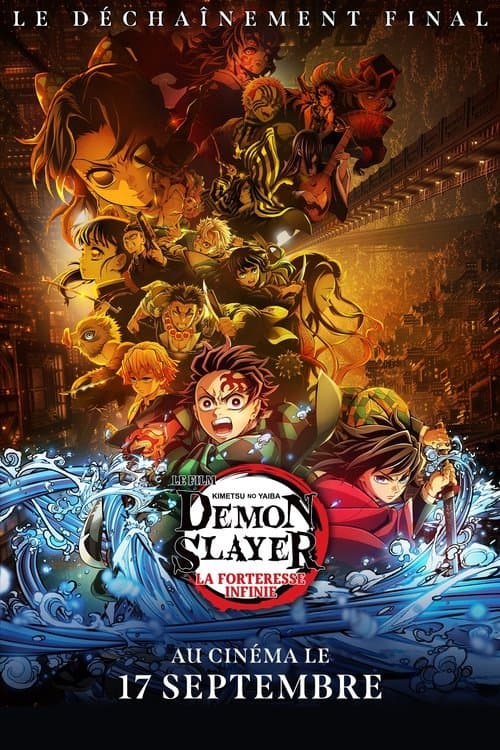
Demon Slayer: Kimetsu no Yaiba Infinity Castle
劇場版「鬼滅の刃」無限城編 第一章 猗窩座再来
Does this age rating seem accurate to you?
Detailed parental analysis
Demon Slayer: Kimetsu no Yaiba - The Hashira Training Arc is a Japanese action and fantasy animation film with a dark and intense atmosphere, a direct adaptation of the most eagerly anticipated story arc from the eponymous manga franchise. The plot plunges demon hunters into a labyrinthine underground demon maze where they face the most powerful adversaries they have ever encountered, with nothing less than the survival of humanity at stake. The film is primarily aimed at adolescents and adults already familiar with the universe, but its visual and emotional accessibility also attracts a younger audience than official classifications might suggest.
Violence
Violence forms the heart of the film and maintains a very high level of graphic intensity throughout the narrative. Beheadings, severed limbs, dismembered bodies and abundant sprays of blood punctuate each confrontation with a regularity that affords little respite. Demons absorb or devour humans on screen, with visual insistence on the process. What distinguishes this film from mere gore excess is that each violent sequence is anchored in strong emotional stakes: characters genuinely risk their lives, and physical consequences are presented as real and painful, never as painless spectacle. Violence is therefore narrative rather than gratuitous, but its intensity and frequency remain high and far exceed what a young child or sensitive pre-adolescent can process without distress.
Underlying Values
The film carries values of perseverance and sacrifice with rare sincerity, and embodies them in characters who pay a genuine price for their choices. The tension between vengeance and justice runs through several story arcs, without ever resolving in simplistic fashion: some characters act from hatred, others from compassion, and the narrative does not place them on equal moral footing. Redemption is a central theme, including among antagonists whose tragic pasts are laid bare without absolving their deeds, which opens space for nuanced discussion. Combat meritocracy, self-transcendence through suffering and sacrifice as the supreme gesture of love are structures that are valorised without critical distance, which deserves to be examined with a young person.
Parental and Family Portrayals
Parental and family figures occupy a central emotional place, but almost exclusively through the lens of loss, abuse or trauma. Several characters carry pasts marked by family violence, illness, abandonment or the death of loved ones, and these elements are not glossed over but shown with a certain emotional rawness. The ideal family is systematically one that has vanished or been destroyed, which lends the narrative a tone of perpetual grief. This is a powerful angle for discussing with an adolescent what it means to build oneself after family rupture or loss.
Social Themes
The film touches on themes of poverty and social inequality through the origins of its characters, presented as scars that shape their relationship to combat and sacrifice. These elements receive no explicit political treatment, but they lend human depth to protagonists and antagonists alike, making the fracture between the powerful and the powerless legible without being didactic.
Language
The dialogue is punctuated by recurrent insults and expletives in the dubbed version, with phrases such as 'blast it', 'you coward' or sharper terms depending on the translation chosen. This register remains consistent with the dramatic intensity of the scenes and does not constitute gratuitous vulgarity, but it is constant and audible to an attentive child.
Strengths
The film achieves remarkable emotional coherence between its action sequences and its moments of reflection: the battles serve not merely adrenaline but reveal what each character is willing to sacrifice and why. The writing of antagonists is particularly refined, granting them an interiority and a past that prevents any comfortable Manichean reading. In terms of cultural transmission, the film offers vivid access to narrative codes from Japanese shōnen manga, notably the figure of the mentor, grief as an engine of growth, and honour understood as commitment to the dead. For an adolescent, this is rich material for reflecting on what grounds a courage that is not recklessness, and on the difference between seeking revenge and seeking to protect.
Age recommendation and discussion points
The film is not recommended for children under 13 years old due to sustained graphic violence and themes of suicide, abuse and grief treated without restraint. For an adolescent of 14 years and above, viewing is appropriate, provided it is discussed afterwards: two angles naturally emerge, why the film makes sacrifice so appealing and whether this valorisation of self-sacrifice unto death is a model to admire or to question, and what the broken pasts of the demons tell us about how suffering can transform someone into a monster.
Synopsis
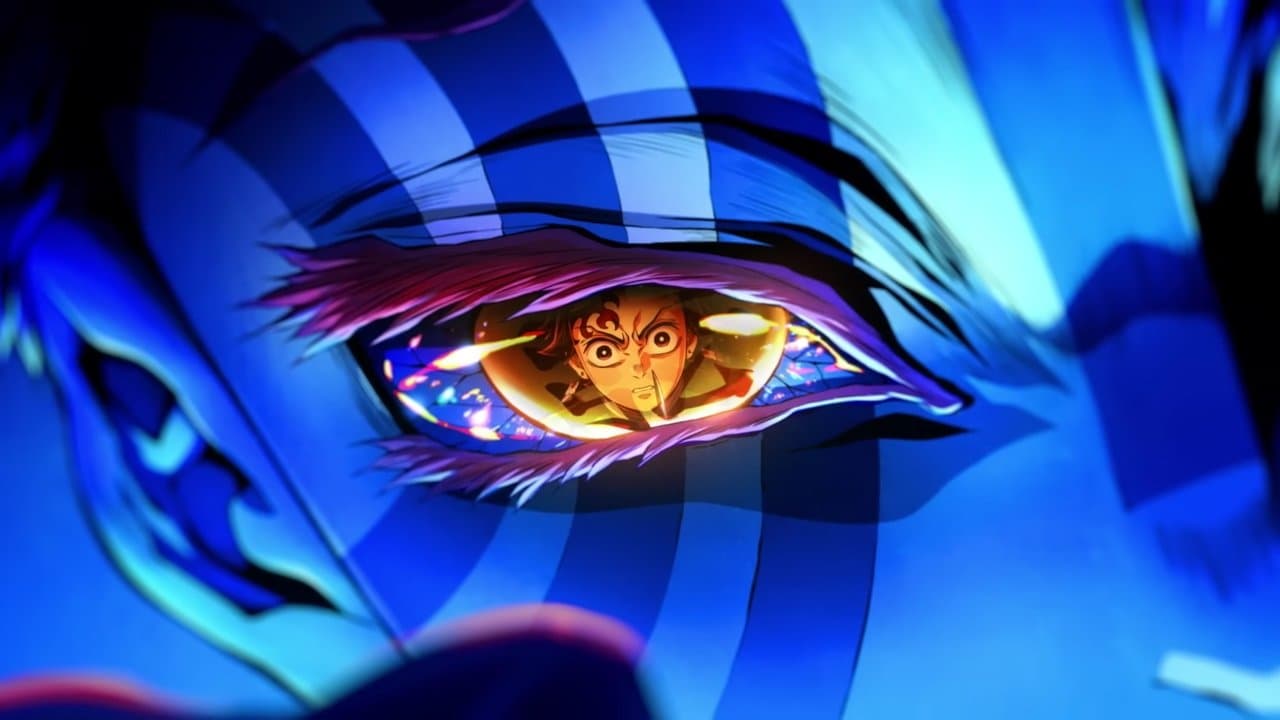
The Demon Slayer Corps are drawn into the Infinity Castle, where Tanjiro, Nezuko, and the Hashira face terrifying Upper Rank demons in a desperate fight as the final battle against Muzan Kibutsuji begins.
About this title
- Format
- Feature film
- Year
- 2025
- Runtime
- 2h 35m
- Countries
- Japan
- Original language
- JA
- Studios
- ufotable, Aniplex, Shueisha