
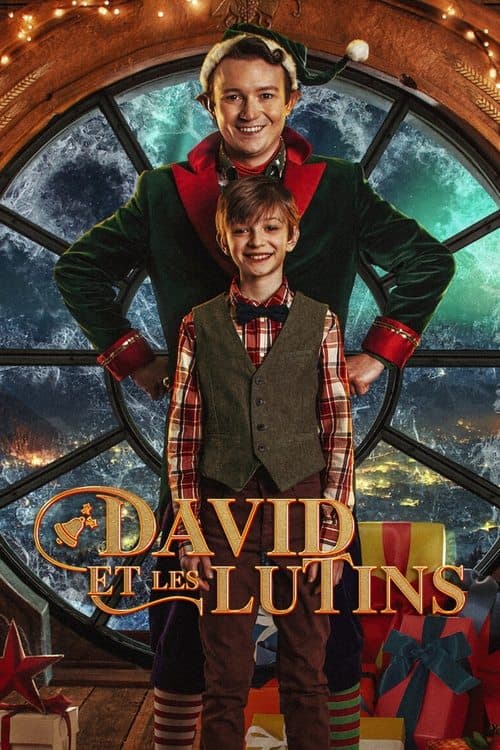
David and the Elves
Dawid i elfy
David and the Elves
Dawid i elfy
Your feedback improves this guide
Your feedback highlights guides that need a second look and keeps the rating trustworthy.
Does this age rating seem accurate to you?
Sign in to vote
Watch-outs
What this film brings
Content barometer
Violence
1/5
Mild
Fear
1/5
Mild
Sexuality
0/5
None
Language
0/5
None
Narrative complexity
2/5
Moderate
Adult themes
0/5
None
Expert review
This Christmas fantasy comedy is clearly designed for family viewing, with a warm tone, plenty of magic, and a gentle adventure built around an elf running away and a child traveling far from home. The main sensitive elements involve brief danger, temporary separation from parents, a night in the forest, and the idea that a magical character may lose his powers and seem gone, which could unsettle very young viewers. The overall intensity is low to mild, with no realistic violence, no sexual content, and virtually no strong language or substance material, and tense moments are short within a reassuring story. The film is broadly suitable from about age 5 for children who already enjoy Christmas adventures, though some 4 year olds may react to the sadness of moving, parental emotional distance, and the elf's alarming transformation. For a first viewing, it helps if an adult watches along and reassures children that the conflict and fear are brief, because the story is mainly about family connection, friendship, and rediscovering holiday warmth.
Synopsis
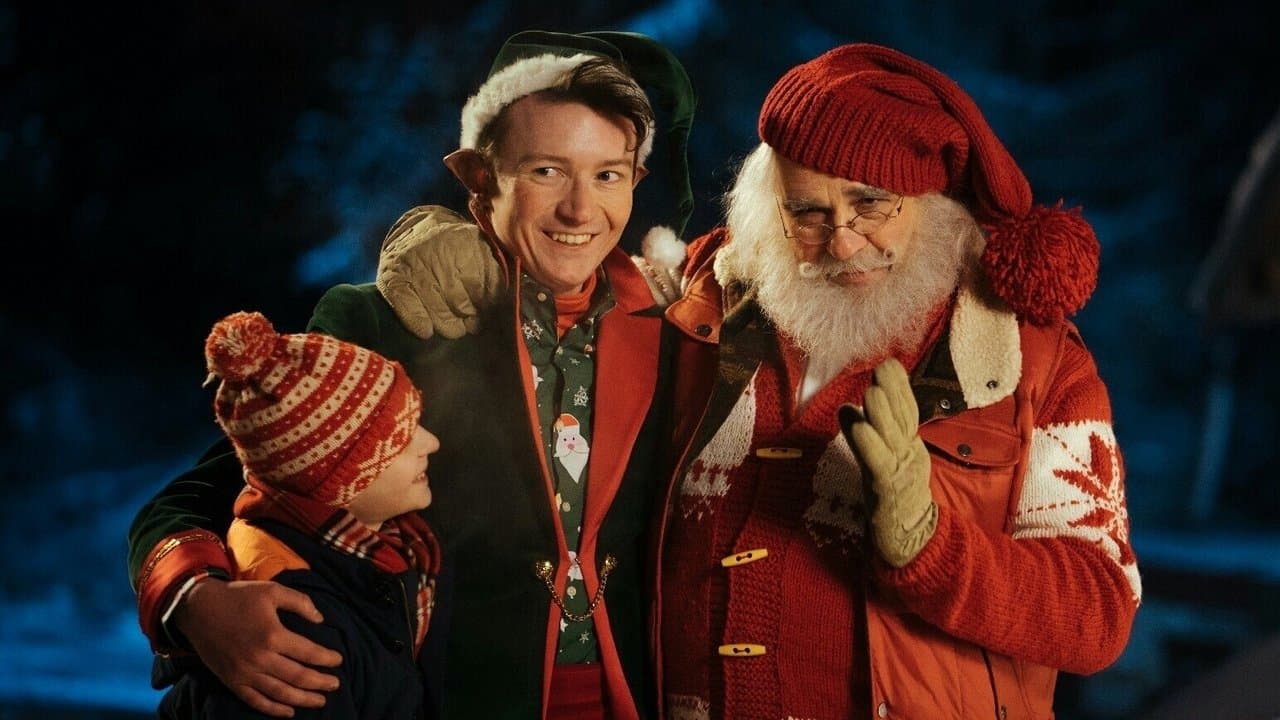
Christmas is drawing near, but it’s not a happy time for David. After moving to a big city, his parents have been bogged down with work and forgotten the meaning of Christmas. David decides to change that. Together with Albert the Elf, who escaped from the land of Santa to figure out what Christmas is all about, David sets off to Tatra Mountains, where his grandparents live, on a journey full of adventures.
Difficult scenes
At the beginning of the story, David struggles with moving and with parents who are emotionally distracted by work. This is not intense material, but it can affect younger children who are sensitive to stories about family distance or adults who seem unavailable. Albert's magic causes several mishaps and a fair amount of chaos, leading to chases, confusion, and adults misunderstanding what is happening. These scenes stay playful overall, yet some children may feel stressed when David is not believed and events seem out of control. When David and Albert are outside at night, with the forest around them and a feeling of being alone, the atmosphere becomes more tense. This section may worry very young viewers, especially children who are sensitive to darkness, cold, or the idea of being far from their parents. The film also introduces the gradual loss of Albert's magic, along with the fear that he may stop being himself. It is not handled in a harsh way, but this transformation and possible disappearance could still create worry or sad questions for younger children.
Where to watch
No verified platform for the US market yet. We keep this section updated as availability changes.
About this title
- Format
- Feature film
- Year
- 2021
- Runtime
- 1h 45m
- Countries
- Poland
- Original language
- PL
- Directed by
- Michał Rogalski
- Main cast
- Jakub Zając, Cyprian Grabowski, Anna Smołowik, Michał Czernecki, Monika Krzywkowska, Cezary Żak, Piotr Rogucki, Elżbieta Jarosik, Witold Dębicki, Maja Wolska
- Studios
- Endemol Shine Polska
Content barometer
Violence
1/5
Mild
Fear
1/5
Mild
Sexuality
0/5
None
Language
0/5
None
Narrative complexity
2/5
Moderate
Adult themes
0/5
None
Expert review
This Christmas fantasy comedy is clearly designed for family viewing, with a warm tone, plenty of magic, and a gentle adventure built around an elf running away and a child traveling far from home. The main sensitive elements involve brief danger, temporary separation from parents, a night in the forest, and the idea that a magical character may lose his powers and seem gone, which could unsettle very young viewers. The overall intensity is low to mild, with no realistic violence, no sexual content, and virtually no strong language or substance material, and tense moments are short within a reassuring story. The film is broadly suitable from about age 5 for children who already enjoy Christmas adventures, though some 4 year olds may react to the sadness of moving, parental emotional distance, and the elf's alarming transformation. For a first viewing, it helps if an adult watches along and reassures children that the conflict and fear are brief, because the story is mainly about family connection, friendship, and rediscovering holiday warmth.
Synopsis
Christmas is drawing near, but it’s not a happy time for David. After moving to a big city, his parents have been bogged down with work and forgotten the meaning of Christmas. David decides to change that. Together with Albert the Elf, who escaped from the land of Santa to figure out what Christmas is all about, David sets off to Tatra Mountains, where his grandparents live, on a journey full of adventures.
Difficult scenes
At the beginning of the story, David struggles with moving and with parents who are emotionally distracted by work. This is not intense material, but it can affect younger children who are sensitive to stories about family distance or adults who seem unavailable. Albert's magic causes several mishaps and a fair amount of chaos, leading to chases, confusion, and adults misunderstanding what is happening. These scenes stay playful overall, yet some children may feel stressed when David is not believed and events seem out of control. When David and Albert are outside at night, with the forest around them and a feeling of being alone, the atmosphere becomes more tense. This section may worry very young viewers, especially children who are sensitive to darkness, cold, or the idea of being far from their parents. The film also introduces the gradual loss of Albert's magic, along with the fear that he may stop being himself. It is not handled in a harsh way, but this transformation and possible disappearance could still create worry or sad questions for younger children.