
Who is Where?
Vem är var?
Who is Where?
Vem är var?
Your feedback improves this guide
Your feedback highlights guides that need a second look and keeps the rating trustworthy.
Does this age rating seem accurate to you?
Sign in to vote
What this film brings
Content barometer
Violence
1/5
Mild
Fear
1/5
Mild
Sexuality
0/5
None
Language
0/5
None
Narrative complexity
0/5
Simple
Adult themes
0/5
None
Expert review
Despite the mixed source data, the most credible story information points to a gentle young children's film about Nounours and friends dealing with everyday situations in a warm, reassuring setting. Sensitive content seems limited to mild quarrels, moments of frustration or anger, a child briefly getting lost in a supermarket, and bedtime worries during a sleepover, with no meaningful violence and no clear adult material. These elements appear low in intensity and short in duration, usually resolved quickly through comfort, explanation, reunion, and calm adult guidance. For most children around age 4, this should be suitable and engaging, though more sensitive viewers may still react to temporary separation or nighttime fear. Parents can support viewing by talking about feelings, reminding children that adults help keep them safe, and discussing what to do if they feel scared, angry, or briefly lost.
Synopsis
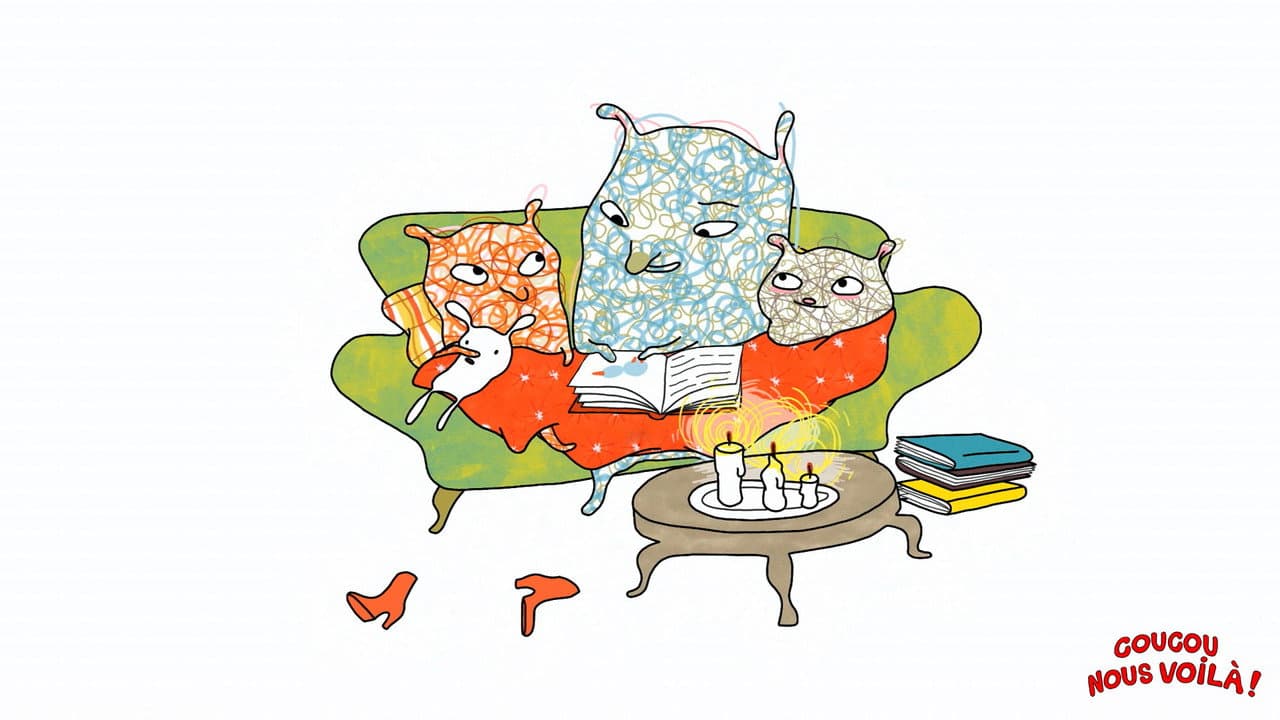
Sequel to Who?, with eight new stories. Sleeping over at a friend's house is exciting. You need to take your toothbrush. And a cuddly toy. But what if it’s too scary? And Teddy wants to play with her friends but where can they be?
Difficult scenes
A supermarket scene may stand out for sensitive children because a character is briefly separated from their usual caregiver. The situation is clearly designed for young viewers, but the idea of losing sight of a parent can feel very real at this age. Some scenes include small arguments between friends, with frustration, anger, or mild pushing during play. Nothing is strongly violent, but these moments may resonate with children who are still learning about sharing, conflict, and making up afterward. The sleepover story brings in a mild bedtime fear linked to being in an unfamiliar place. The tension stays gentle and is resolved quickly, yet it may still affect children who are not fully comfortable sleeping away from home.
Where to watch
No verified platform for the US market yet. We keep this section updated as availability changes.
Availability checked on Apr 01, 2026
About this title
- Format
- Short film
- Year
- 2011
- Runtime
- 32m
- Countries
- Sweden
- Original language
- SV
- Studios
- FilmTecknarna Fiction AB
Content barometer
Violence
1/5
Mild
Fear
1/5
Mild
Sexuality
0/5
None
Language
0/5
None
Narrative complexity
0/5
Simple
Adult themes
0/5
None
Expert review
Despite the mixed source data, the most credible story information points to a gentle young children's film about Nounours and friends dealing with everyday situations in a warm, reassuring setting. Sensitive content seems limited to mild quarrels, moments of frustration or anger, a child briefly getting lost in a supermarket, and bedtime worries during a sleepover, with no meaningful violence and no clear adult material. These elements appear low in intensity and short in duration, usually resolved quickly through comfort, explanation, reunion, and calm adult guidance. For most children around age 4, this should be suitable and engaging, though more sensitive viewers may still react to temporary separation or nighttime fear. Parents can support viewing by talking about feelings, reminding children that adults help keep them safe, and discussing what to do if they feel scared, angry, or briefly lost.
Synopsis
Sequel to Who?, with eight new stories. Sleeping over at a friend's house is exciting. You need to take your toothbrush. And a cuddly toy. But what if it’s too scary? And Teddy wants to play with her friends but where can they be?
Difficult scenes
A supermarket scene may stand out for sensitive children because a character is briefly separated from their usual caregiver. The situation is clearly designed for young viewers, but the idea of losing sight of a parent can feel very real at this age. Some scenes include small arguments between friends, with frustration, anger, or mild pushing during play. Nothing is strongly violent, but these moments may resonate with children who are still learning about sharing, conflict, and making up afterward. The sleepover story brings in a mild bedtime fear linked to being in an unfamiliar place. The tension stays gentle and is resolved quickly, yet it may still affect children who are not fully comfortable sleeping away from home.