Corpse Bride
Does this age rating seem accurate to you?
Detailed parental analysis
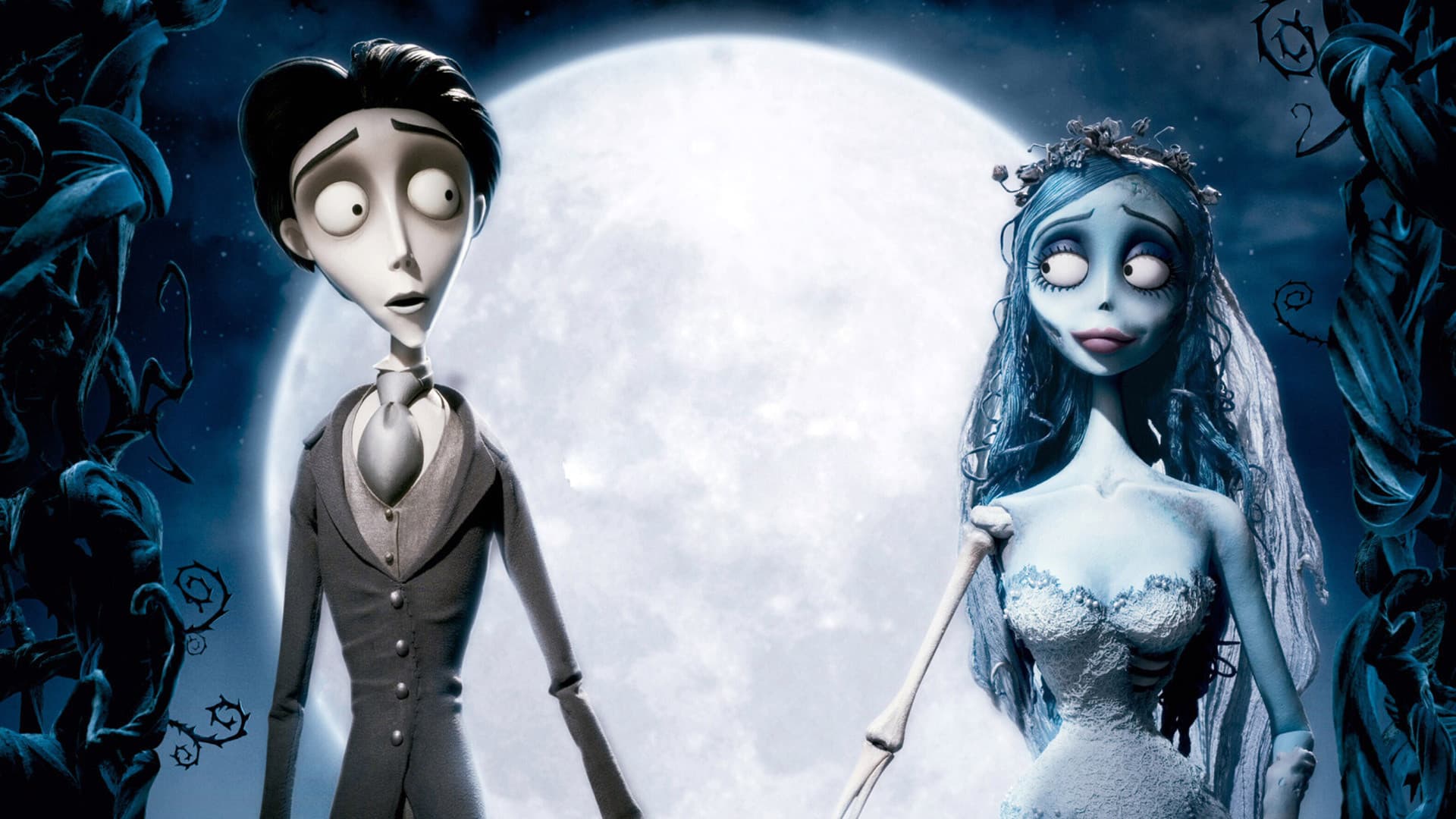
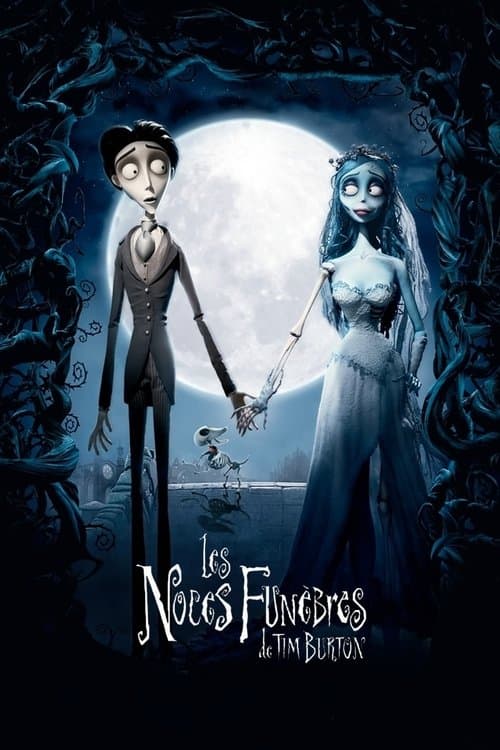
Corpse Bride is a gothic animated film with a dark and melancholic charm, characterised by a macabre tale aesthetic that blends humour and tenderness. The plot follows Victor, a shy young man who finds himself accidentally engaged to a dead bride, whilst his true betrothed awaits him in the world of the living. The film targets pre-teens and teenagers, though its visual atmosphere also appeals to younger children, whom it may frighten.
Violence
The film presents prolonged and deliberate exposure to death and corpse decomposition. Characters from the underworld appear at various stages of decay, with visible bones, exposed ribcages, exposed teeth and missing flesh. One scene shows a corpse splitting vertically to reveal its internal organs. The dead bride's hand suddenly emerges from the ground to seize Victor in a scene designed to startle. One character is poisoned to death with visible distress, another dies falling from a carriage. These elements are integrated into a macabre comedy register which lessens their traumatising impact for older children, but which may leave a lasting mark on younger ones.
Underlying Values
The narrative rests on a tension between genuine love and social obligation: Victor is forced into marriage by family necessity in both the living and dead worlds, and his ability to make the right choice freely constitutes his arc. The film clearly argues that sincere love is more powerful than arrangements, that selfless generosity is a form of heroism, and that inner beauty outweighs appearance. The Corpse Bride's final sacrifice, in which she renounces the man she loves to restore his freedom, is treated with genuine emotional dignity. These values are clear and offer a solid basis for discussion.
Parental and Family Portrayals
The two families of the living are depicted in a caricatured and unflattering manner. Victor's parents are obsessed with social advancement and manage their son like an asset to be advantageously placed. His bride's family is even more overtly mercenary, feigning a wealth they no longer possess. No parental figure functions as an affective role model: adults are either indifferent to their children's desires or frankly manipulative. This context of parental misunderstanding strengthens Victor's isolation narratively, but it is worthwhile to revisit it with a child so as not to leave the image of parental authority entirely negative without comment.
Substances
A skeleton character drinks alcohol repeatedly until drunk and eventually disarticulates comically on the ground. The scene is treated in the manner of physical comedy, but intoxication is presented as amusing and harmless, without narrative consequence. It is a light occurrence, but sufficiently visible to merit mention with a young child.
Sex and Nudity
The Corpse Bride wears a low-cut dress and part of her skeleton is exposed, including the thigh and femur. The register remains that of stylised gothic tale and is not hypersexualised. A few rare remarks implicitly evoke the question of marriage between a living person and a dead one, which some adults perceive as an allusion to necrophilia. The film does not develop this subtext and children do not naturally access it.
Strengths
The film demonstrates remarkable visual mastery, with a deliberately contrasting colour palette between the drab world of the living and the vibrant, colourful underworld, a poetic inversion that alone says something intelligent about social conformity and hidden vitality. The musical narrative is effective, with several sung sequences carrying emotion without ever weighing down the pace. The Corpse Bride is written with genuine depth: a character doubly victimised, betrayed by the man she loved then forgotten in death, she ultimately receives a dignified resolution. The film poses accessible questions about death, grief and what remains of a life, within a framework that allows a child to reflect upon it without being overwhelmed.
Age recommendation and discussion points
The film is not recommended for children under 8 years old, who risk being frightened by images of decomposition and startle scenes. From 8 to 10 years old, an accompanied child can quite happily watch it, provided the parent is available to discuss it afterwards. Two angles of discussion are worth exploring: why is the world of the dead more joyful and colourful than that of the living, and what does this say about happiness and the appearance of things? And why does the Bride agree to renounce Victor, and is this gesture a form of courage or sadness?
Synopsis
In a 19th-century European village, a young man about to be married is whisked away to the underworld and wed to a mysterious corpse bride, while his real bride waits bereft in the land of the living.
About this title
- Format
- Feature film
- Year
- 2005
- Runtime
- 1h 15m
- Countries
- United Kingdom, United States of America
- Original language
- EN
- Studios
- Tim Burton Productions, LAIKA, Patalex Productions, Warner Bros. Pictures, Will Vinton Studios
Content barometer
- Violence3/5Notable
- Fear4/5Intense
- Sexuality1/5Allusions
- Language0/5None
- Narrative complexity1/5Accessible
- Adult themes1/5Mild
Values conveyed
- Acceptance of difference
- Compassion
- Forgiveness
- love
- empathy
- loyalty
- choice