The Proud Family
The Proud Family
Your feedback improves this guide
Your feedback highlights guides that need a second look and keeps the rating trustworthy.
Does this age rating seem accurate to you?
Sign in to vote
Watch-outs
What this film brings
Content barometer
Violence
1/5
Mild
Fear
0/5
None
Sexuality
1/5
Allusions
Language
1/5
Mild
Narrative complexity
1/5
Accessible
Adult themes
0/5
None
Expert review
This Disney animated sitcom follows Penny Proud, a 14 year old girl, through family, school, and friendship situations played in a lively and comedic way. The main sensitive elements are verbal conflicts, teasing between peers, social pressure connected to adolescence, and occasional cartoon style mishaps without realistic consequences. The intensity stays low to mild, with brief tensions that recur from episode to episode, mostly social rather than frightening, though some character portrayals and jokes can feel dated or caricatured, including ethnic or racial stereotypes that parents may want to frame critically. Very young children may not connect with the middle school and teen social dynamics, while children around age 6 and up are more likely to follow the humor with support. It can help to talk about peer pressure, mean behavior, and why stereotypes should not define real people or relationships. It is also worth noting that the work carries dated gender stereotypes, especially in the way some female characters are presented or placed in distress. This does not automatically make the series unsuitable, but it is worth flagging and can be discussed with children. Some characters or groups may also rely on dated ethnic or racial stereotypes, with portrayals that can feel caricatural or reductive today. That aspect is worth flagging and, when relevant, discussing with children.
Synopsis
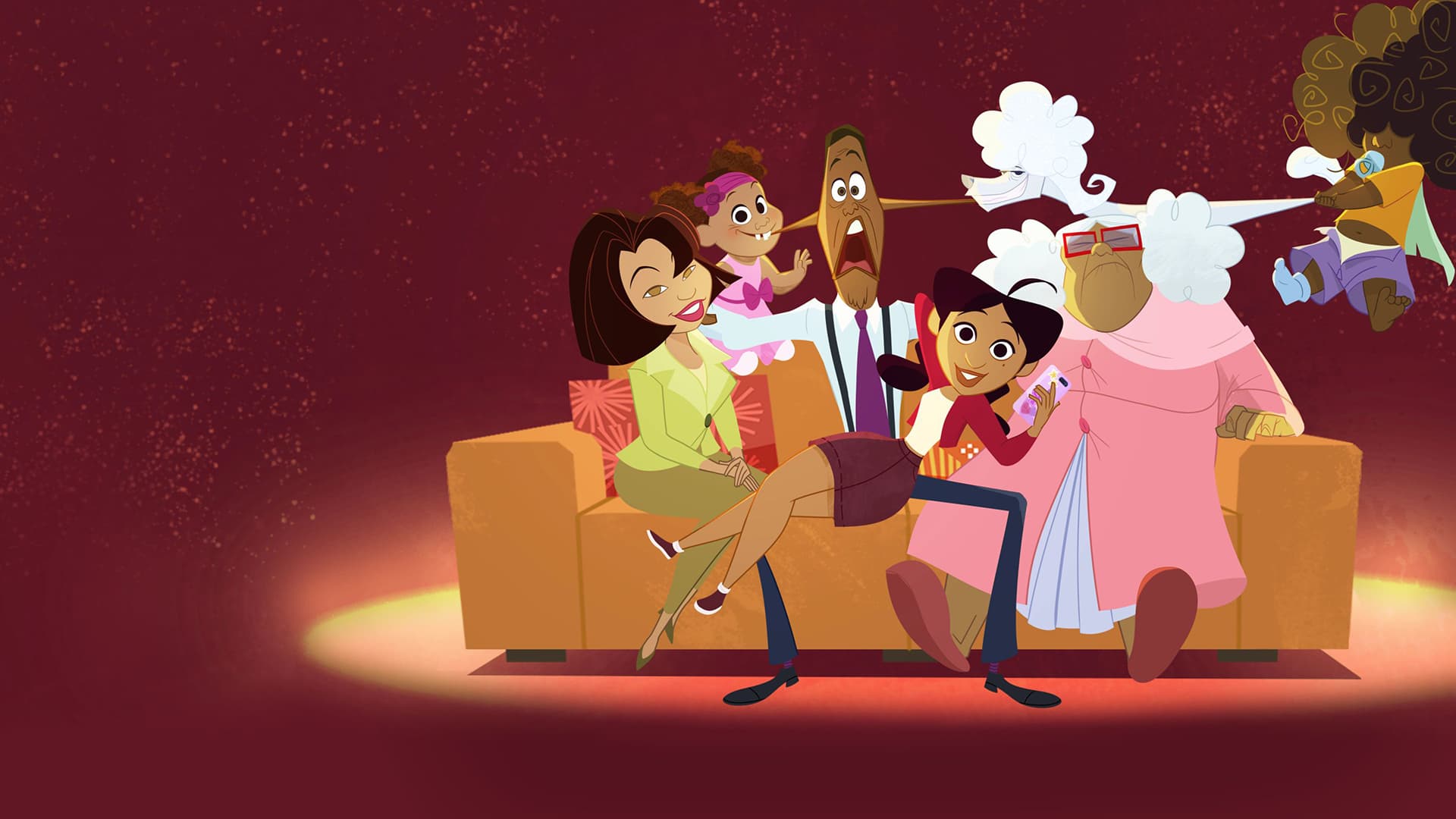
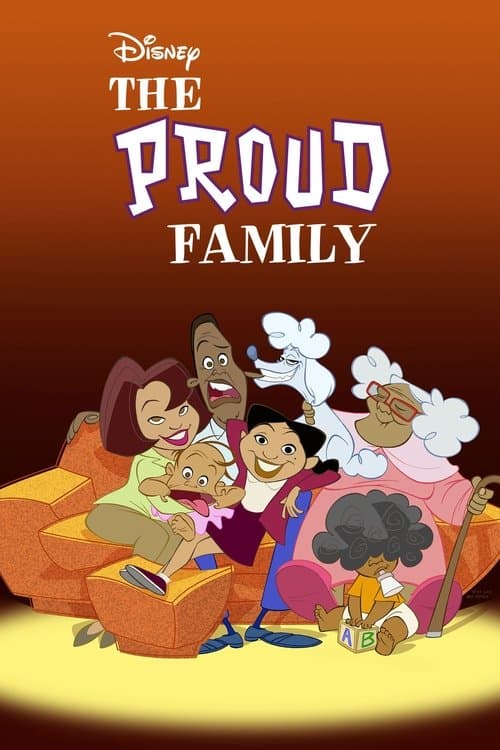
Follow the adventures and misadventures of Penny, a 14-year-old African American girl who's doing her best to navigate through the early years of teen-dom. Penny's every encounter inevitably spirals into bigger than life situations filled with hi-jinks, hilarity and heart. Her quest to balance her home, school and social lives are further complicated by friends like the sassy Dijonay, Penny's nemesis LaCienega Boulevardez, her loving, if not over-protective parents and her hip-to-the-groove-granny, Suga Mama.
Difficult scenes
Several episodes are built around arguments between friends, school rivalries, or social embarrassment, often linked to popularity, appearance, or reputation. These scenes are played for laughs, but a child who is sensitive to teasing may still react to the sharper tone of some exchanges. The adults in Penny's family, especially in the comedic parts, can be intrusive, strict, or embarrassing from her point of view, which creates recurring household tension. It remains mostly warm and light overall, but younger viewers may notice the yelling, arguing, and the feeling of not being understood. The show sometimes relies on broad caricature in the way certain characters speak, behave, or are framed on screen, including portrayals that can now feel dated in ethnic or racial terms. This is not violent content, but it is worth flagging for parents who want to talk about stereotypes and the difference between comedy and respect.
Where to watch
No verified platform for the US market yet. We keep this section updated as availability changes.
About this title
- Format
- TV series
- Year
- 2001
- Runtime
- 22m
- Countries
- United States of America
- Original language
- EN
- Directed by
- Bruce W. Smith
- Main cast
- Kyla Pratt, Tommy Davidson, Tara Strong, Paula Jai Parker, Jo Marie Payton, Alisa Reyes, Orlando Brown, Soleil Moon Frye, Karen Malina White
- Studios
- Jambalaya Studio, Walt Disney Television
Content barometer
Violence
1/5
Mild
Fear
0/5
None
Sexuality
1/5
Allusions
Language
1/5
Mild
Narrative complexity
1/5
Accessible
Adult themes
0/5
None
Expert review
This Disney animated sitcom follows Penny Proud, a 14 year old girl, through family, school, and friendship situations played in a lively and comedic way. The main sensitive elements are verbal conflicts, teasing between peers, social pressure connected to adolescence, and occasional cartoon style mishaps without realistic consequences. The intensity stays low to mild, with brief tensions that recur from episode to episode, mostly social rather than frightening, though some character portrayals and jokes can feel dated or caricatured, including ethnic or racial stereotypes that parents may want to frame critically. Very young children may not connect with the middle school and teen social dynamics, while children around age 6 and up are more likely to follow the humor with support. It can help to talk about peer pressure, mean behavior, and why stereotypes should not define real people or relationships. It is also worth noting that the work carries dated gender stereotypes, especially in the way some female characters are presented or placed in distress. This does not automatically make the series unsuitable, but it is worth flagging and can be discussed with children. Some characters or groups may also rely on dated ethnic or racial stereotypes, with portrayals that can feel caricatural or reductive today. That aspect is worth flagging and, when relevant, discussing with children.
Synopsis
Follow the adventures and misadventures of Penny, a 14-year-old African American girl who's doing her best to navigate through the early years of teen-dom. Penny's every encounter inevitably spirals into bigger than life situations filled with hi-jinks, hilarity and heart. Her quest to balance her home, school and social lives are further complicated by friends like the sassy Dijonay, Penny's nemesis LaCienega Boulevardez, her loving, if not over-protective parents and her hip-to-the-groove-granny, Suga Mama.
Difficult scenes
Several episodes are built around arguments between friends, school rivalries, or social embarrassment, often linked to popularity, appearance, or reputation. These scenes are played for laughs, but a child who is sensitive to teasing may still react to the sharper tone of some exchanges. The adults in Penny's family, especially in the comedic parts, can be intrusive, strict, or embarrassing from her point of view, which creates recurring household tension. It remains mostly warm and light overall, but younger viewers may notice the yelling, arguing, and the feeling of not being understood. The show sometimes relies on broad caricature in the way certain characters speak, behave, or are framed on screen, including portrayals that can now feel dated in ethnic or racial terms. This is not violent content, but it is worth flagging for parents who want to talk about stereotypes and the difference between comedy and respect.