A Tale Dark & Grimm
A Tale Dark & Grimm
Your feedback improves this guide
Your feedback highlights guides that need a second look and keeps the rating trustworthy.
Does this age rating seem accurate to you?
Sign in to vote
Watch-outs
What this film brings
Content barometer
Violence
3/5
Notable
Fear
3/5
Notable tension
Sexuality
0/5
None
Language
1/5
Mild
Narrative complexity
1/5
Accessible
Adult themes
0/5
None
Expert review
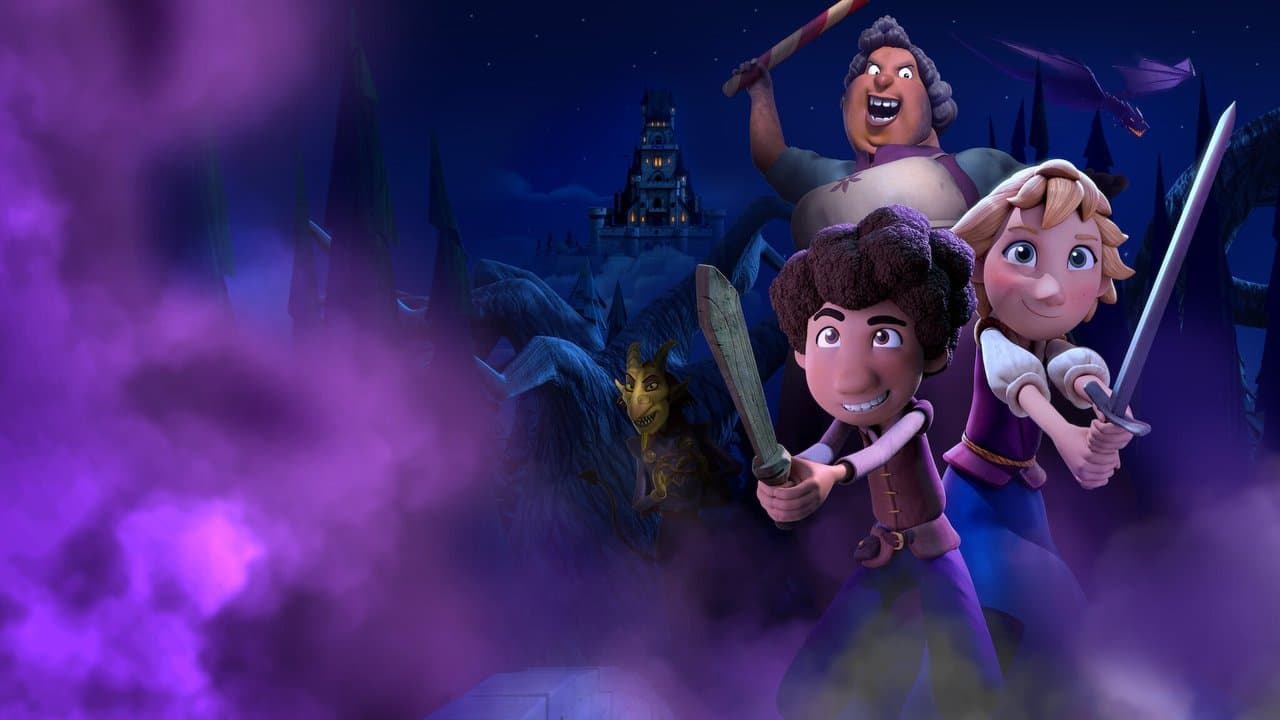
This animated series retells Grimm fairy tales in a highly stylized, fast moving, and knowingly dark way, using playful narration and black humor to soften the material without making it harmless for very young viewers. The main concerns are fantasy violence, repeated peril involving children, beheadings presented in a cartoon context, and several scary figures such as witches, a dragon, and the devil, along with scenes where Hansel and Gretel seem to face real danger. The intensity is reduced by the bright animation style, witty storytelling, and lack of realism, yet these moments appear regularly and may still unsettle children who are sensitive to death, threatening parents, or sustained chase scenes. For most children, this works better from about age 8 than from the algorithmic baseline of 4. Parents may want to frame it first as a dark fairy tale with exaggerated danger, then check in after the more intense scenes to help a child separate spooky fantasy from real life.
Synopsis
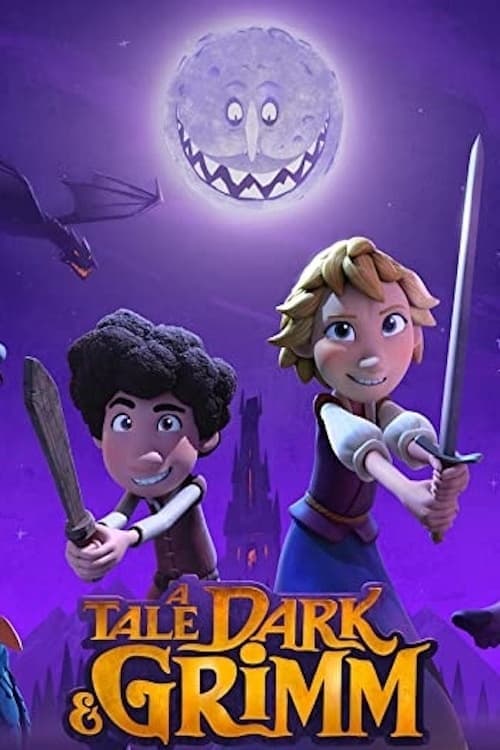
Follow Hansel and Gretel as they walk out of their own story into a winding and wickedly witty tale full of strange — and scary — surprises.
Difficult scenes
Very early on, the twins face an intense act of parental violence, including a beheading presented in an absurd fairy tale style and filtered through stylized animation. The scene is not realistic or gory, yet the idea of parents harming their own children may be far more upsetting to a young viewer than the visuals themselves. Across the story, Hansel and Gretel repeatedly encounter threatening fairy tale figures such as witches, a dragon, and the devil, often in dark settings filled with chases, traps, and direct danger. These sequences are lively and sometimes funny, but the tension is genuine and may scare children who are unsettled by strong villains or prolonged suspense. The narrative often treats death and mortal danger with ironic humor, showing characters threatened, injured, or believed to be dead within a dark fantasy framework. Even with a cartoon presentation, the repeated return to these ideas can feel heavy for younger children who do better with more comforting and predictable stories.
Where to watch
No verified platform for the US market yet. We keep this section updated as availability changes.
About this title
- Format
- TV series
- Year
- 2021
- Countries
- Canada, United States of America
- Original language
- EN
- Main cast
- Andre Robinson, Raini Rodriguez, Cari Kabinoff, Tom Hollander, Scott Adsit, Ron Funches, Erica Rhodes, Eric Bauza, Jonathan Banks, Adam Lambert
- Studios
- Boat Rocker Studios, Jam Filled Entertainment
Content barometer
Violence
3/5
Notable
Fear
3/5
Notable tension
Sexuality
0/5
None
Language
1/5
Mild
Narrative complexity
1/5
Accessible
Adult themes
0/5
None
Expert review
This animated series retells Grimm fairy tales in a highly stylized, fast moving, and knowingly dark way, using playful narration and black humor to soften the material without making it harmless for very young viewers. The main concerns are fantasy violence, repeated peril involving children, beheadings presented in a cartoon context, and several scary figures such as witches, a dragon, and the devil, along with scenes where Hansel and Gretel seem to face real danger. The intensity is reduced by the bright animation style, witty storytelling, and lack of realism, yet these moments appear regularly and may still unsettle children who are sensitive to death, threatening parents, or sustained chase scenes. For most children, this works better from about age 8 than from the algorithmic baseline of 4. Parents may want to frame it first as a dark fairy tale with exaggerated danger, then check in after the more intense scenes to help a child separate spooky fantasy from real life.
Synopsis
Follow Hansel and Gretel as they walk out of their own story into a winding and wickedly witty tale full of strange — and scary — surprises.
Difficult scenes
Very early on, the twins face an intense act of parental violence, including a beheading presented in an absurd fairy tale style and filtered through stylized animation. The scene is not realistic or gory, yet the idea of parents harming their own children may be far more upsetting to a young viewer than the visuals themselves. Across the story, Hansel and Gretel repeatedly encounter threatening fairy tale figures such as witches, a dragon, and the devil, often in dark settings filled with chases, traps, and direct danger. These sequences are lively and sometimes funny, but the tension is genuine and may scare children who are unsettled by strong villains or prolonged suspense. The narrative often treats death and mortal danger with ironic humor, showing characters threatened, injured, or believed to be dead within a dark fantasy framework. Even with a cartoon presentation, the repeated return to these ideas can feel heavy for younger children who do better with more comforting and predictable stories.