
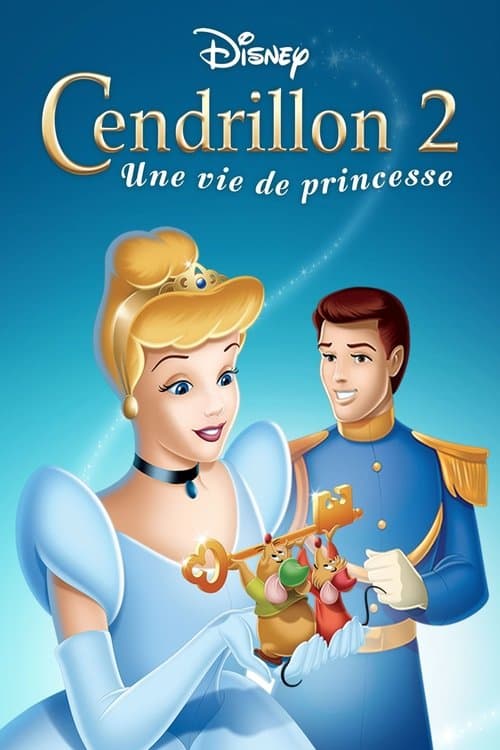
Cinderella II: Dreams Come True
Does this age rating seem accurate to you?
Detailed parental analysis
Cinderella II is a light and joyful Disney animated film, structured around three short independent stories that extend the world of the original fairy tale. The plot explores Cinderella's life as a princess, while unexpectedly giving prominence to secondary characters such as the mice and the stepsister Anastasia. The film is clearly aimed at very young children, from three or four years old onwards, and unambiguously embraces its modest and soothing purpose.
Underlying Values
The film's structural message is coherent and clear: being true to oneself is better than bending to conventions or the expectations of others. This theme runs through all three segments, whether Cinderella refusing the rigid protocols of the court, or Anastasia learning to choose kindness against her mother's pressure. This final arc is particularly worth flagging to parents: an antagonist from the first film is rehabilitated here through the sincerity of her emotions, offering a strong starting point for discussing redemption and change. The film also values simplicity over lavishness, with Cinderella preferring humility to ornate dresses, which subtly tempers the consumerist conformism often criticised in fairy tales about princesses. However, female happiness remains entirely tied to marriage and social approval, and the narrative never questions this.
Discrimination
Gender representations are conventionally fairy tale-like: the princess aspires to please, female roles revolve around the home and romantic relationships, and women's happiness is systematically indexed to their love lives. These patterns are not questioned by the narrative; they are its natural backdrop. For slightly older children, this is a useful angle for discussion: the film can serve as a springboard to talk about what traditional fairy tales show us about gender roles, and what they leave unsaid. The mouse Jaq, who feels valuable only when he is useful to others, further reinforces a pattern of subordination to external approval that deserves to be named.
Parental and Family Portrayals
The stepmother, an authoritarian and manipulative figure, remains present in the background and exerts visible pressure on Anastasia to prevent her from following her own feelings. The film clearly shows that resisting this restrictive parental pressure is not only possible but desirable. This is a rare and useful representation in a fairy tale for very young children: family authority can be unjust, and gently freeing oneself from it is presented as an act of courage.
Strengths
The film's principal strength lies in its structure of three segments: each story lasts about twenty minutes, which perfectly matches the attention span of very young children and facilitates fragmented viewing. The Anastasia arc is the most successful part, bringing genuine moral depth to a character previously one-dimensional. The film offers smooth continuity with the first Cinderella without reproducing its dramatic tension, making it accessible to sensitive children or those easily frightened. Beyond this, the narrative remains unambitious and artistic qualities limited: it is a functional entertainment product, without particular depth, but honest in what it offers.
Age recommendation and discussion points
The film is suitable from three or four years old, with particularly good accessibility for children sensitive to fear. Two angles of discussion deserve to be opened after viewing: why does Anastasia change, and what gives her the courage to disobey her mother, on the one hand; and on the other, do fairy tale princesses have the right to want something other than to marry and please everyone.
Synopsis
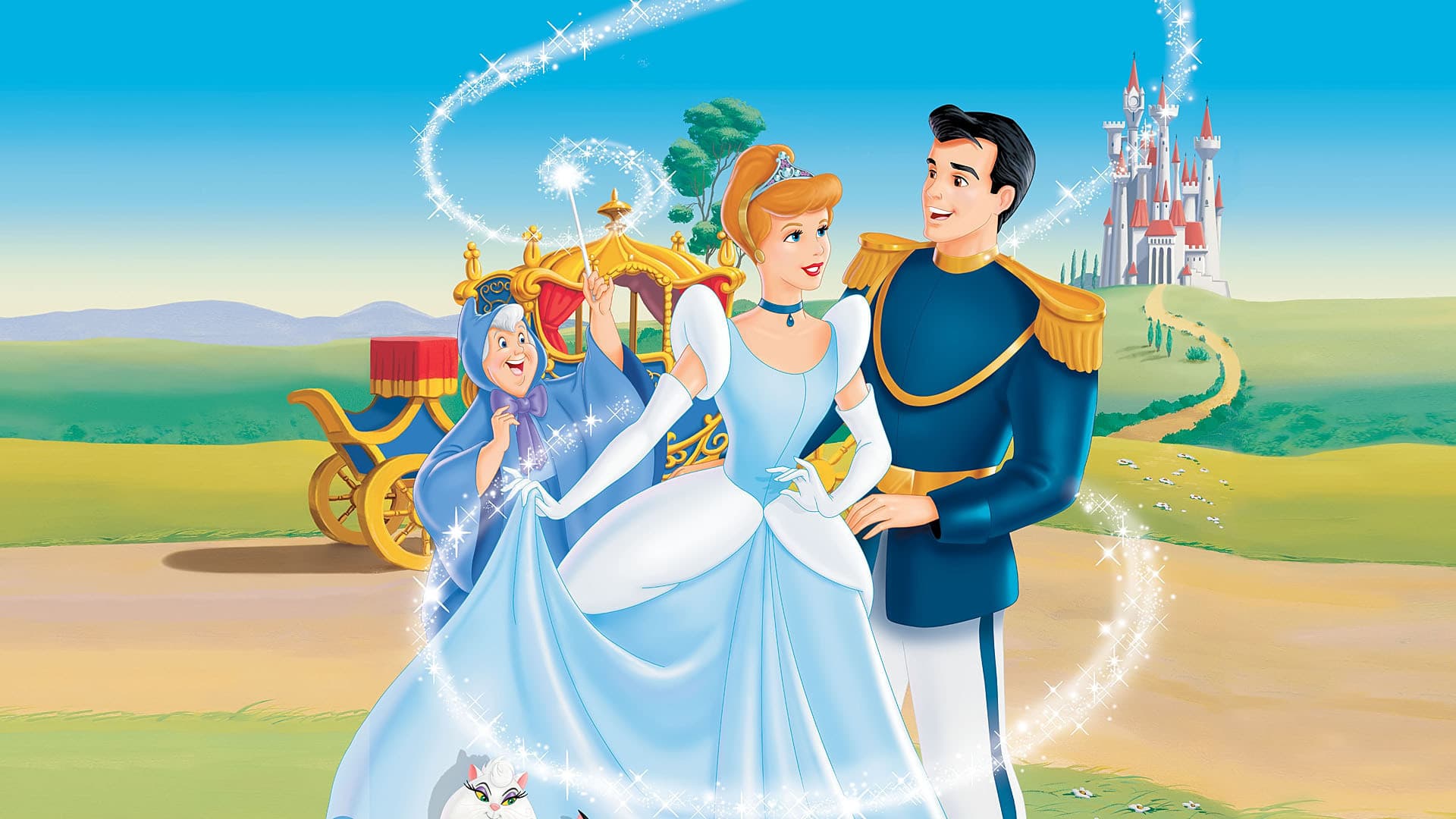
As a newly crowned princess, Cinderella quickly learns that life at the Palace - and her royal responsibilities - are more challenging than she had imagined. In three heartwarming tales, Cinderella calls on her animal friends and her Fairy Godmother to help as she brings her own grace and charm to her regal role and discovers that being true to yourself is the best way to make your dreams come true.
About this title
- Format
- Feature film
- Year
- 2002
- Runtime
- 1h 13m
- Countries
- Japan, United States of America
- Original language
- EN
- Directed by
- John Kafka
- Main cast
- Jennifer Hale, Rob Paulsen, Corey Burton, Andre Stojka, Russi Taylor, Susanne Blakeslee, Tress MacNeille, Holland Taylor, Christopher Daniel Barnes, Frank Welker
- Studios
- Walt Disney Animation Japan, Disney Television Animation
Content barometer
- Violence0/5None
- Fear0/5None
- Sexuality0/5None
- Language0/5None
- Narrative complexity0/5Simple
- Adult themes0/5None
Watch-outs
- Gender stereotypes
Values conveyed
- Friendship
- Acceptance of difference
- Compassion
- Forgiveness
- self-confidence
- mutual support
- being yourself
- kindness
- self-acceptance