
Cinderella
Does this age rating seem accurate to you?
Detailed parental analysis
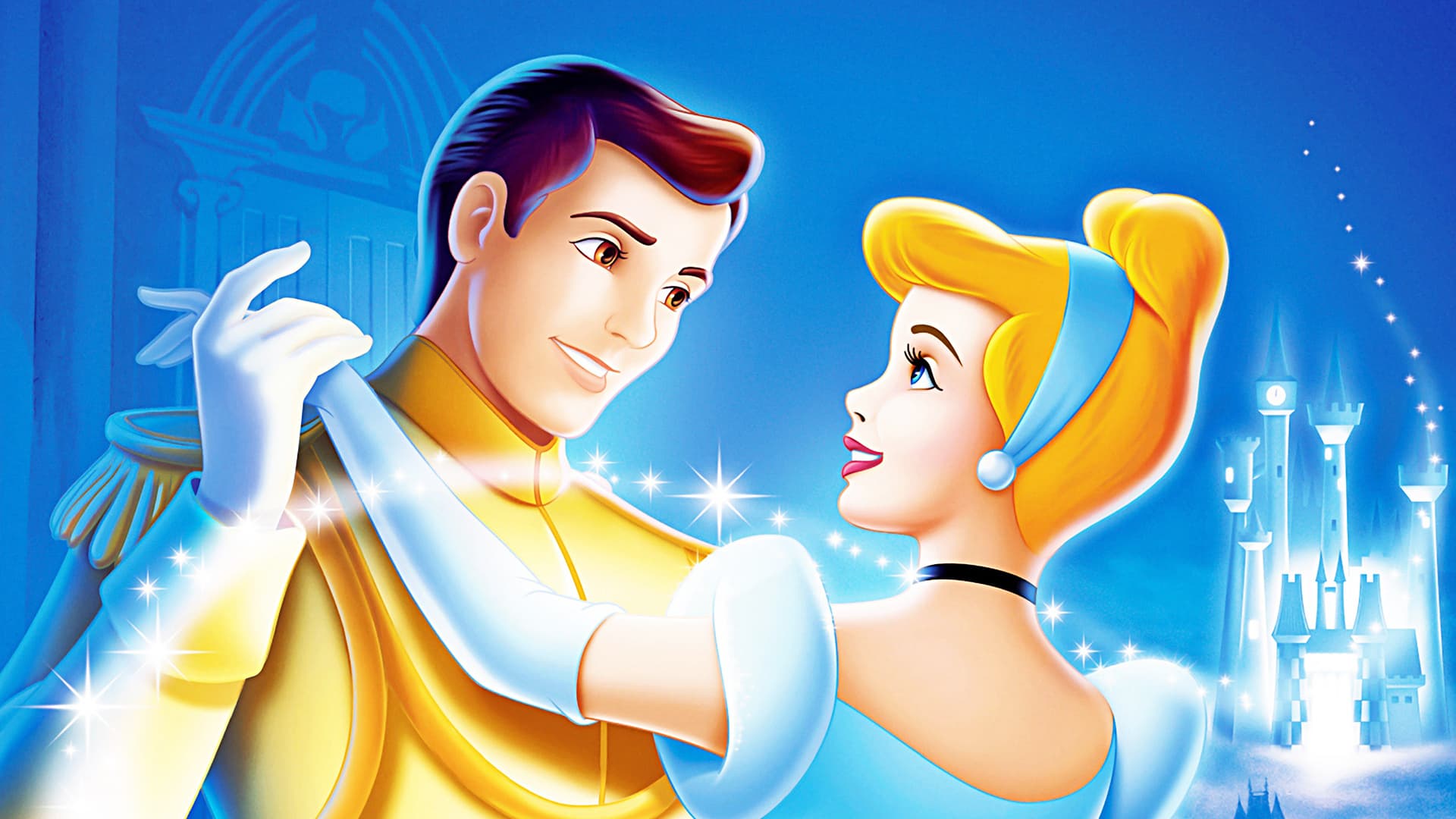
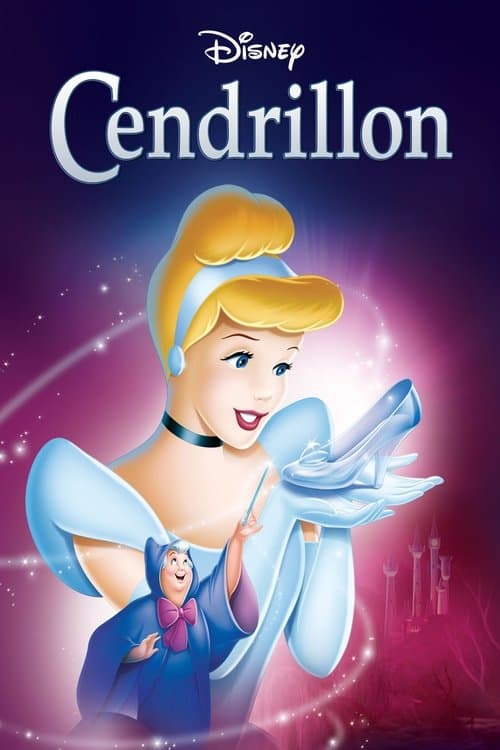
Cinderella is a musical tale crafted by Disney, luminous and enchanting in its overall atmosphere, despite a few moments of tension and emotional cruelty. The story follows a young woman mistreated by her stepmother and stepsisters, whose fate is transformed at a royal ball through the intervention of a fairy godmother. The film is primarily aimed at young children, but has transcended generations as a foundational cultural reference for the fairy tale on screen.
Underlying Values
The film rests on a framework of values that merits examination with the child. On one hand, it consistently conveys the idea that kindness, patience and perseverance are valuable in themselves, and that hope can be maintained even in the most difficult circumstances. On the other hand, the narrative mechanism relies almost entirely on external intervention: it is magic that resolves the situation, not Cinderella's own initiative. The value of work and resilience is displayed, but the reward arrives through a stroke of fate rather than through deliberate action. Wealth and a princely marriage are presented as the natural culmination of a well-lived life, which anchors the narrative in a logic of moral merit rewarded by social elevation, a pattern worth interrogating with older children.
Discrimination
The film explicitly constructs a visual hierarchy among its female characters: Cinderella is drawn to be pleasing, her stepsisters to be displeasing, and it is physical beauty that conditions the prince's interest. This treatment is not insignificant and corresponds to an aesthetic convention of the 1950s which associates moral ugliness with physical ugliness. Cinderella's passivity reinforces a model of femininity founded on docility and conformity, without the film offering any counterpoint whatsoever. It is not a hidden flaw: it is the structuring pattern of the narrative, and it is worth discussing with children, notably girls, from age 7 or 8 onwards.
Parental and Family Portrayals
The central parental figure is the stepmother, presented as cold, calculating and deliberately cruel. She has no ambivalence and no sympathetic depth: she is domestic evil incarnate. Cinderella's father is mentioned briefly as deceased, which establishes from the outset a situation of orphaning and vulnerability. The fairy godmother fulfils symbolically a benevolent maternal function, but her role is temporary and magical. The whole creates a portrayal of family life that is profoundly dysfunctional, in which the child stands alone against the malevolent adult, without institutional recourse or lasting protective figure.
Violence
Violence is exclusively psychological and relational: repeated humiliations, abusive orders, deliberate destruction of Cinderella's dress, confinement. These scenes are not graphic but they describe with clarity a situation of domestic emotional abuse. The scenes featuring Lucifer the cat pursuing mice bring a comedic tension, but may startle very young sensitive children. Cinderella's confinement to her room by the stepmother is a brief scene but effectively oppressive. Overall, the violence remains within the bounds of the classical tale, with clear narrative purpose.
Strengths
Cinderella remains a musical work of considerable quality, several of whose songs have become recognisable standards generations after their creation. The 1950 animation has a fluidity and expressive warmth that continue to work today. The secondary characters, notably the mice, are treated with comedic care and affection that give the film real emotional depth for young children. The film also transmits a culture of classical European fairy tale, a useful entry point for exploring with older children the variations of this narrative archetype across cultures and periods.
Age recommendation and discussion points
The film is suitable from age 4-5 for a first viewing, but the richest conversations can take place from age 7-8 onwards. Two angles of discussion are worth pursuing after the film: why does Cinderella do nothing herself to change her situation, and what makes the prince fall in love with her in a single evening? These two simple questions allow you to open with the child a reflection on autonomy, beauty and what ancient tales tell us about the expectations placed upon women.
Synopsis
Cinderella has faith her dreams of a better life will come true. With help from her loyal mice friends and a wave of her Fairy Godmother's wand, Cinderella's rags are magically turned into a glorious gown and off she goes to the Royal Ball. But when the clock strikes midnight, the spell is broken, leaving a single glass slipper... the only key to the ultimate fairy-tale ending!
About this title
- Format
- Feature film
- Year
- 1950
- Runtime
- 1h 14m
- Countries
- United States of America
- Original language
- EN
- Studios
- Walt Disney Productions
Content barometer
- Violence1/5Mild
- Fear2/5A few scenes
- Sexuality0/5None
- Language0/5None
- Narrative complexity0/5Simple
- Adult themes0/5None
Watch-outs
- Grief
- Gender stereotypes
- Abuse
- Death / grief
Values conveyed
- Perseverance
- resilience
- friendship
- hope
- kindness
- solidarity
- dreams
- courage