
Chupa
Does this age rating seem accurate to you?
Detailed parental analysis
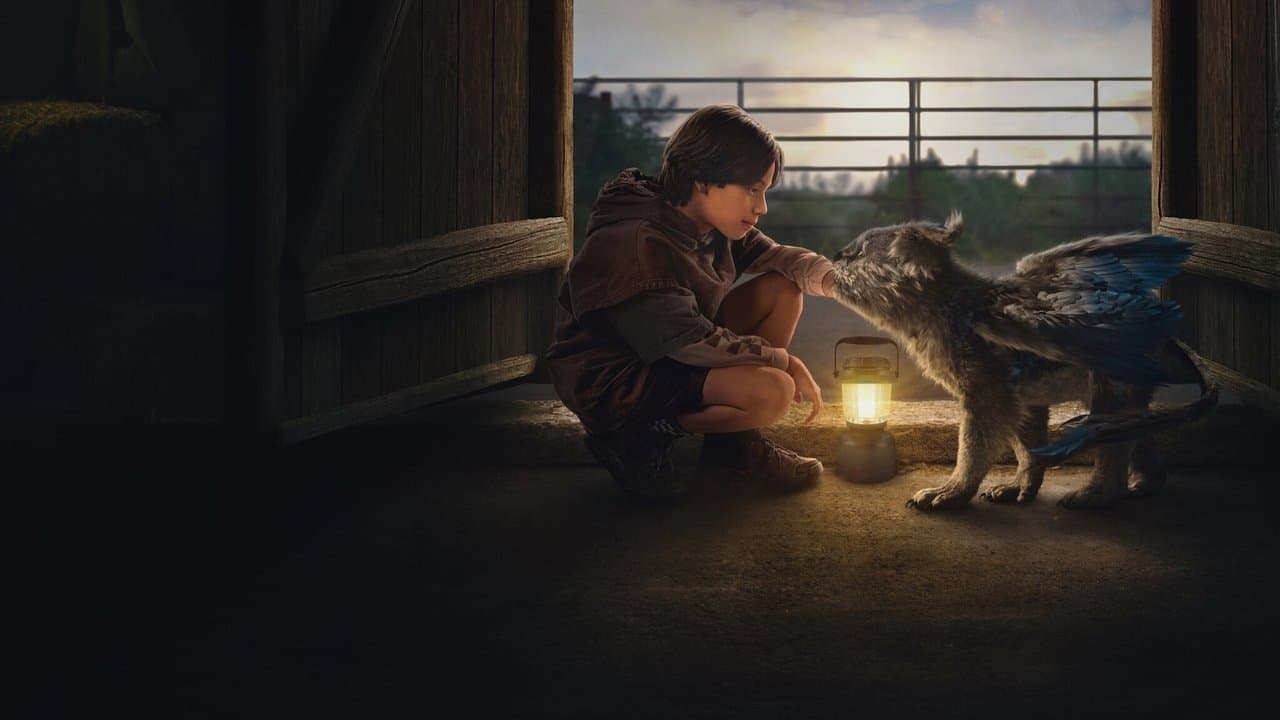
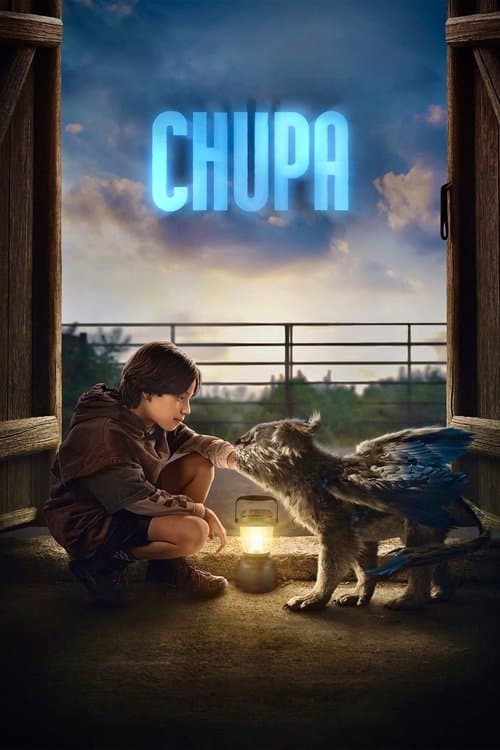
Chupa is a family adventure film with a warm tone but moments of intensity, blending Mexican legend with a coming-of-age narrative set against grief and reconnection to one's roots. A young Mexican-American boy spending his holidays in Mexico with his paternal family discovers and takes under his protection a juvenile chupacabra pursued by hunters. The film targets young audiences from primary school age onwards, with sequences tense enough that parents of younger children will need to remain attentive.
Parental and Family Portrayals
The father's death is the film's central emotional driver, and it is handled with a sincerity that may touch sensitive children. Paternal absence is not sidestepped: it weighs on the boy throughout the story and constitutes the true stake of his journey to Mexico. The figure of the grandfather, a former lucha libre wrestler, comes to fill this space of masculine transmission. The extended family is portrayed as a caring anchor, imperfect yet solid, which gives the film genuine narrative warmth. The ending, which reopens the question of grief, may move children who have experienced loss quite deeply.
Violence
Violence remains within the bounds of a family film with a PG classification (the American studio equivalent of a film for general audiences with parental guidance), but the final thirty minutes rise noticeably in intensity. The adult chupacabra fights, bares its fangs, strikes and hurls characters. One wing is burned by a distress pistol, with a visible wound. A scene sets the children against a large feline at the edge of a cliff. These sequences are tense without being graphic, and the violence serves the narrative without indulgence. A child under 7 may find these moments genuinely frightening.
Underlying Values
The film explicitly constructs its message around refusing to judge a creature by its reputation or appearance, portraying the chupacabra as a vulnerable being rather than a predator. This message, applied also to the protagonist's identity, torn between two cultures, opens a natural conversation about the way we regard what is different or misunderstood. The narrative values intergenerational transmission, notably through Mexican wrestling as an embodied cultural legacy. Performance and self-overcoming are present but do not take precedence over emotional bonds.
Discrimination
The boy is mocked on his arrival with the word 'taquito', an insult with ethnic connotations that reduces his Mexican identity to a food cliché. The film does not let this pass without reaction, and the episode becomes part of a broader questioning of what it means to belong to two cultures whilst feeling fully accepted in neither. This is a useful angle for discussion with children from mixed families or experiencing some form of identity in-between.
Language
Language is generally mild. There are a few minor vulgarities (son of a..., the devil), schoolyard insults (loser, weird) and around four uses of God's name in vain. Nothing that exceeds what a schoolchild has not already heard, but it is worth noting for parents particularly vigilant on this point.
Social Themes
Bicultural identity is treated with genuine attention: the boy does not speak Spanish, feels foreign in Mexico whilst not being fully at home in the United States. His journey to his paternal family functions as a return to his roots that does not claim to erase the complexity of this in-between state. The legend of the chupacabra is used as Mexican cultural material, without condescending folklore treatment.
Strengths
The film succeeds in making a fantastic creature and a narrative of grief coexist without one overwhelming the other. The relationship between the boy and the juvenile chupacabra is built with care, in the classic yet effective mode of the child and the misunderstood animal. The Mexican setting is handled with visible affection for Mexican popular culture, notably lucha libre, which transcends mere exotic backdrop. Emotionally, the film takes risks in not resolving grief in an easy manner, which lends it an unusual honesty for the genre.
Age recommendation and discussion points
The film is suitable from 8 years old for most children, with a preference for 10 years and above if the child is sensitive to scenes of tension or the theme of grief. Two angles for discussion naturally present themselves after viewing: why do we fear something before even knowing it, and what does it mean to feel you belong to two cultures at once?
Synopsis
While visiting family in Mexico, a lonely boy befriends a mythical creature hiding on his grandfather's ranch and embarks on the adventure of a lifetime.
About this title
- Format
- Feature film
- Year
- 2023
- Runtime
- 1h 38m
- Countries
- Mexico, United States of America
- Original language
- EN
- Directed by
- Jonás Cuarón
- Main cast
- Evan Whitten, Demián Bichir, Christian Slater, Ashley Ciarra, Julio Cesar Cedillo, Alex Knight, Nickolas Verdugo, Adriana Paz, Gerardo Taracena, Michael Kostroff
- Studios
- 26th Street Pictures, Pimienta Films
Content barometer
- Violence2/5Moderate
- Fear3/5Notable tension
- Sexuality0/5None
- Language1/5Mild
- Narrative complexity1/5Accessible
- Adult themes0/5None
Values conveyed
- Courage
- Acceptance of difference
- Compassion
- family bonds
- friendship
- self-acceptance
- protecting the vulnerable
- cultural identity
- grief and resilience