Oink
Knor
Oink
Knor
Your feedback improves this guide
Your feedback highlights guides that need a second look and keeps the rating trustworthy.
Does this age rating seem accurate to you?
Sign in to vote
Watch-outs
What this film brings
Content barometer
Violence
1/5
Mild
Fear
2/5
A few scenes
Sexuality
0/5
None
Language
0/5
None
Narrative complexity
0/5
Simple
Adult themes
0/5
None
Expert review
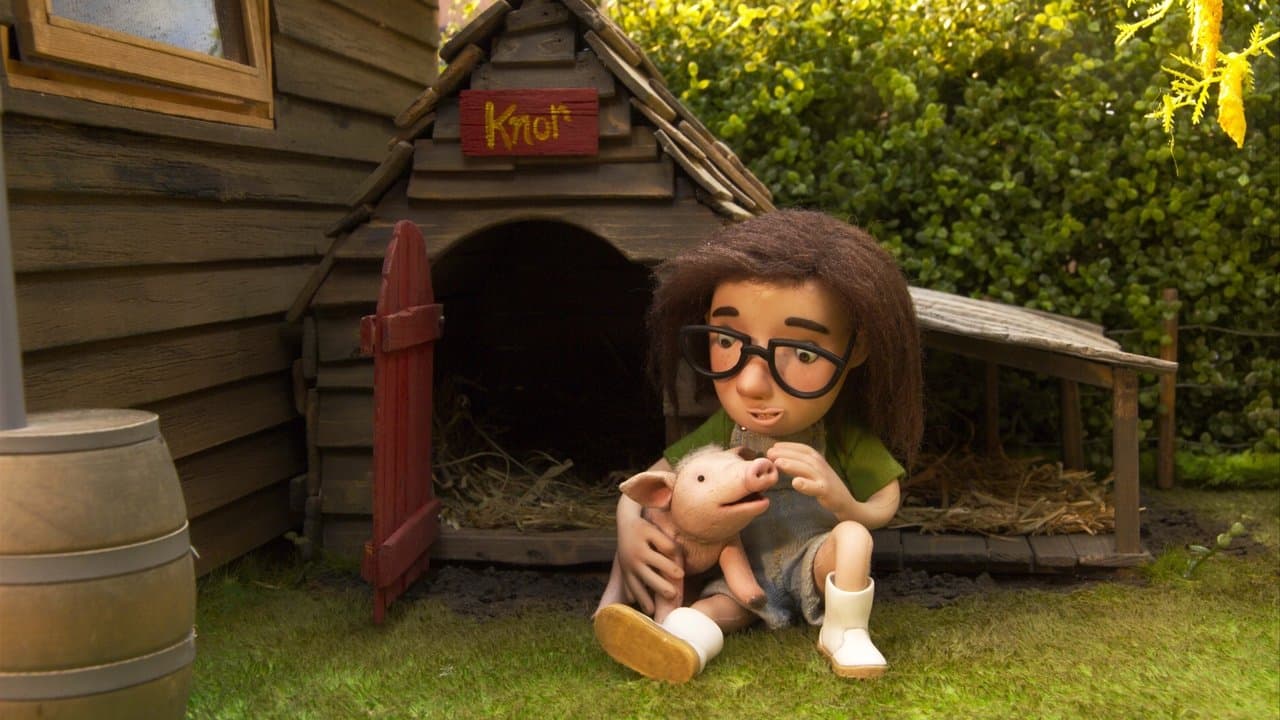
This stop-motion animated film has a quirky, warm, and often funny atmosphere, built around the immediate bond between a 9 year old girl and her piglet. The main sensitive element is the threat hanging over the animal, since the story involves a sausage competition and the idea that an adult may see the pig as food instead of as a companion. There is no graphic violence and very little outright fright, but several scenes may trouble children who are strongly attached to animals or old enough to understand what slaughter means. The intensity stays moderate and child accessible, with more emotional tension and moral discomfort than actual fear. For parents, it helps to explain early that some grown ups in stories make selfish choices, then reassure children that the film mainly follows Babs trying to care for and protect Oink.
Synopsis
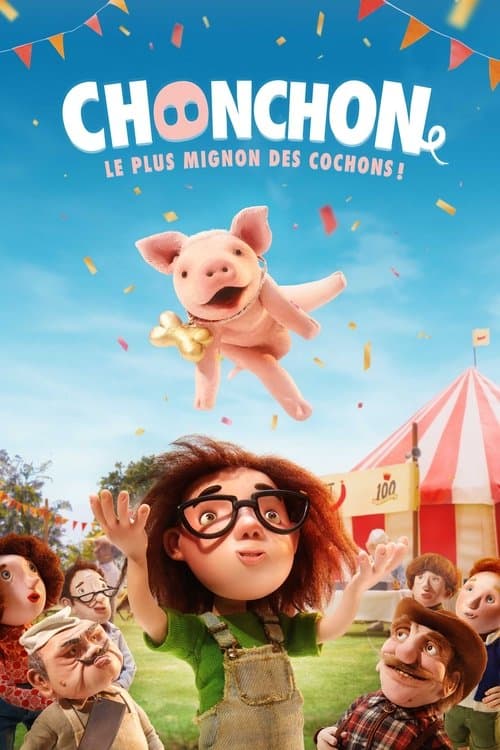
A young girl sets out to prove to her disapproving mother she can house-train the endearing but unruly little piglet she gets as a birthday gift from her estranged oddball grandfather.
Difficult scenes
The main source of tension is the grandfather, who gives the pig as a gift while hiding an agenda connected to a sausage competition. Even though the treatment remains child friendly, the idea that a trusted adult could plan a beloved animal's fate as food may feel upsetting or sad to sensitive viewers. Babs has to persuade her parents to let her keep Oink, which leads to several scenes of family conflict and stress when the pig makes messes or causes trouble. These moments are still light in presentation, but some children may worry that the pig will be rejected, punished, or taken away from its new home. The film also carries ongoing moral tension because the audience understands before the heroine does that a real threat hangs over Oink. That dramatic irony can make some scenes feel more anxious for younger children, especially if they spend the whole film waiting for something bad to happen to the piglet.
Where to watch
No verified platform for the US market yet. We keep this section updated as availability changes.
About this title
- Format
- Feature film
- Year
- 2022
- Runtime
- 1h 12m
- Countries
- Belgium, Netherlands
- Original language
- NL
- Directed by
- Mascha Halberstad
- Main cast
- Hiba Ghafry, Kees Prins, Jelka van Houten, Henry van Loon, Matsen Montsma, Loes Luca, Johnny Kraaijkamp Jr., Alex Klaasen, Remko Vrijdag, Tosca Menten
- Studios
- Holy Motion Studio, Viking Film, A Private View, VPRO
Content barometer
Violence
1/5
Mild
Fear
2/5
A few scenes
Sexuality
0/5
None
Language
0/5
None
Narrative complexity
0/5
Simple
Adult themes
0/5
None
Expert review
This stop-motion animated film has a quirky, warm, and often funny atmosphere, built around the immediate bond between a 9 year old girl and her piglet. The main sensitive element is the threat hanging over the animal, since the story involves a sausage competition and the idea that an adult may see the pig as food instead of as a companion. There is no graphic violence and very little outright fright, but several scenes may trouble children who are strongly attached to animals or old enough to understand what slaughter means. The intensity stays moderate and child accessible, with more emotional tension and moral discomfort than actual fear. For parents, it helps to explain early that some grown ups in stories make selfish choices, then reassure children that the film mainly follows Babs trying to care for and protect Oink.
Synopsis
A young girl sets out to prove to her disapproving mother she can house-train the endearing but unruly little piglet she gets as a birthday gift from her estranged oddball grandfather.
Difficult scenes
The main source of tension is the grandfather, who gives the pig as a gift while hiding an agenda connected to a sausage competition. Even though the treatment remains child friendly, the idea that a trusted adult could plan a beloved animal's fate as food may feel upsetting or sad to sensitive viewers. Babs has to persuade her parents to let her keep Oink, which leads to several scenes of family conflict and stress when the pig makes messes or causes trouble. These moments are still light in presentation, but some children may worry that the pig will be rejected, punished, or taken away from its new home. The film also carries ongoing moral tension because the audience understands before the heroine does that a real threat hangs over Oink. That dramatic irony can make some scenes feel more anxious for younger children, especially if they spend the whole film waiting for something bad to happen to the piglet.