
Chicken Run
Does this age rating seem accurate to you?
Detailed parental analysis
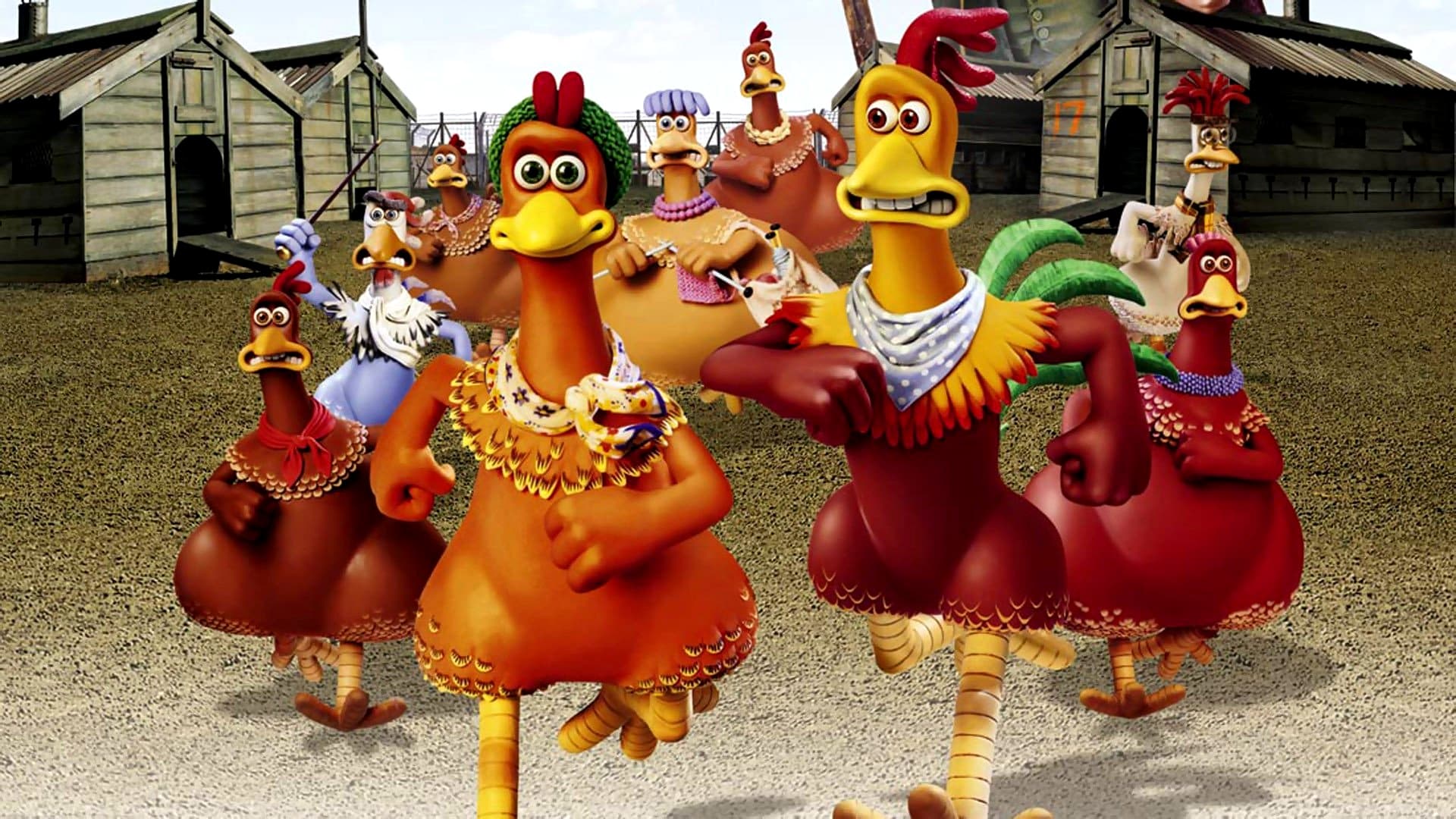
Chicken Run is a stop-motion animation film with a surprisingly tense atmosphere for what appears on the surface to be a children's story, blending slapstick comedy with genuinely unsettling sequences. The plot follows a determined flock of hens attempting to escape from a farm before they are turned into pies. The film presents itself as family-friendly entertainment suitable from a certain age onwards, but its genuine darkness makes it more appropriately pitched at children aged 7 and above, as well as adults who will appreciate its references to classic war cinema.
Violence
Violence is the film's primary source of discomfort, and it is more intense than the comedic packaging might lead one to anticipate. A hen is executed off-screen with an axe, and whilst the blow is not shown, the sound of the blade and the terror-stricken reactions of the other characters render its impact fully present. The pie machine constitutes the film's centrepiece: characters face spinning blades, a conveyor belt towards flames and a pastry cutter in a long and deliberately suffocating sequence. Mrs. Tweedy, the farm owner, is constructed as a genuinely menacing antagonist, regularly brandishing her axe with cold determination. These elements serve a legitimate narrative tension rather than gratuitous violence, but they may provoke fear or nightmares in sensitive children or those under 6-7 years of age.
Underlying Values
The film carries solid and clearly articulated structural values. The protagonist Ginger repeatedly renounces her own escape so as to leave no one behind, positioning collective solidarity as the driving force of the narrative. Rocky, the boastful cockerel, undergoes a convincing redemption arc: his lie is exposed, its consequences owned, and his rehabilitation comes through concrete help offered to others. The film implicitly criticises industrial animal exploitation without becoming a manifesto: humans are depicted as indifferent or greedy, animals as beings endowed with will and dignity. These themes offer material for discussion without ever weighing down the pacing.
Social Themes
The narrative structure rests upon a clear metaphor of prisoner-of-war camps and the desire for collective emancipation in the face of arbitrary power. Industrial animal exploitation is represented critically, with the farm functioning as a system of rational and life-denying confinement. These readings remain accessible without being imposed, but they naturally open conversation about freedom, the right not to be reduced to one's market value, and what it means to resist collectively against an unjust situation.
Substances
The character of Rocky is shown drinking a cocktail and adopting visibly lightheaded behaviour. The scene is brief and played for laughs, but it presents alcohol as a source of relaxation and good humour without any distanced commentary. It is not a central theme of the film, but it is a point worth noting for parents who wish to avoid any positive representation of alcohol.
Language
The language remains broadly restrained. Two instances merit flagging: an exclamation along the lines of 'Flippin' Hell' and the expression 'thieving little buggers'. These phrases are mild and often pass unnoticed, but they confirm that the film does not seek to smooth its register entirely for a very young audience.
Strengths
Chicken Run is a film of genuine narrative substance, managing to maintain real dramatic tension whilst effectively balancing humour and action. The characterisation of supporting characters is carefully crafted and each enjoys a functional role within the collective plot. The film stands in the tradition of war and escape cinema, which gives it a classical structure that adults will recognise with pleasure. Its portrayal of a determined female protagonist, strategist and driven by a group ethic rather than a personal agenda, is particularly well constructed. The comic mechanics, sometimes slapstick and sometimes absurd, work across multiple age levels simultaneously.
Age recommendation and discussion points
The film is suitable from age 7 onwards for children not sensitive to tense sequences, and is fully appropriate from 8-9 years old for untroubled viewing. Two concrete angles for discussion arise naturally after watching: why does Ginger repeatedly refuse to leave alone when she would have the opportunity to do so, and what drives Rocky to lie before he changes his attitude?
Synopsis
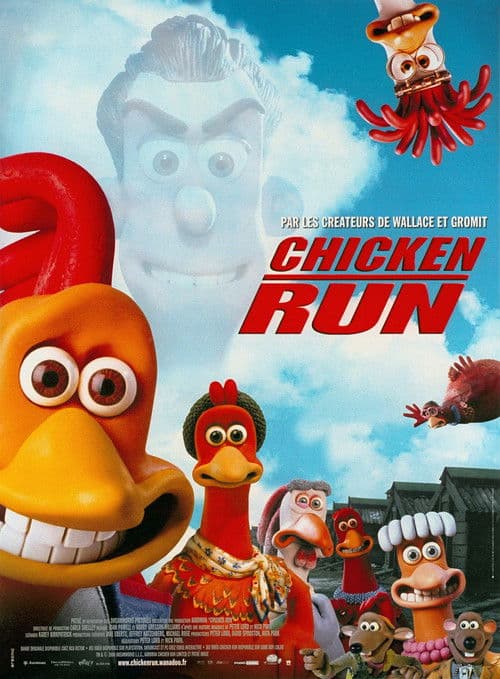
The creators of Wallace & Gromit bring you an exciting and original story about a group of chickens determined to fly the coop–even if they can’t fly! It’s hardly poultry in motion when Rocky attempts to teach Ginger and her feathered friends to fly…but, with teamwork, determination and a little bit o’ cluck, the fearless flock plots one last attempt in a spectacular bid for freedom.
About this title
- Format
- Feature film
- Year
- 2000
- Runtime
- 1h 25m
- Countries
- France, United Kingdom, United States of America
- Original language
- EN
- Studios
- Aardman, DreamWorks Animation, Pathé, DreamWorks Pictures