
Chicken for Linda!
Does this age rating seem accurate to you?
Detailed parental analysis
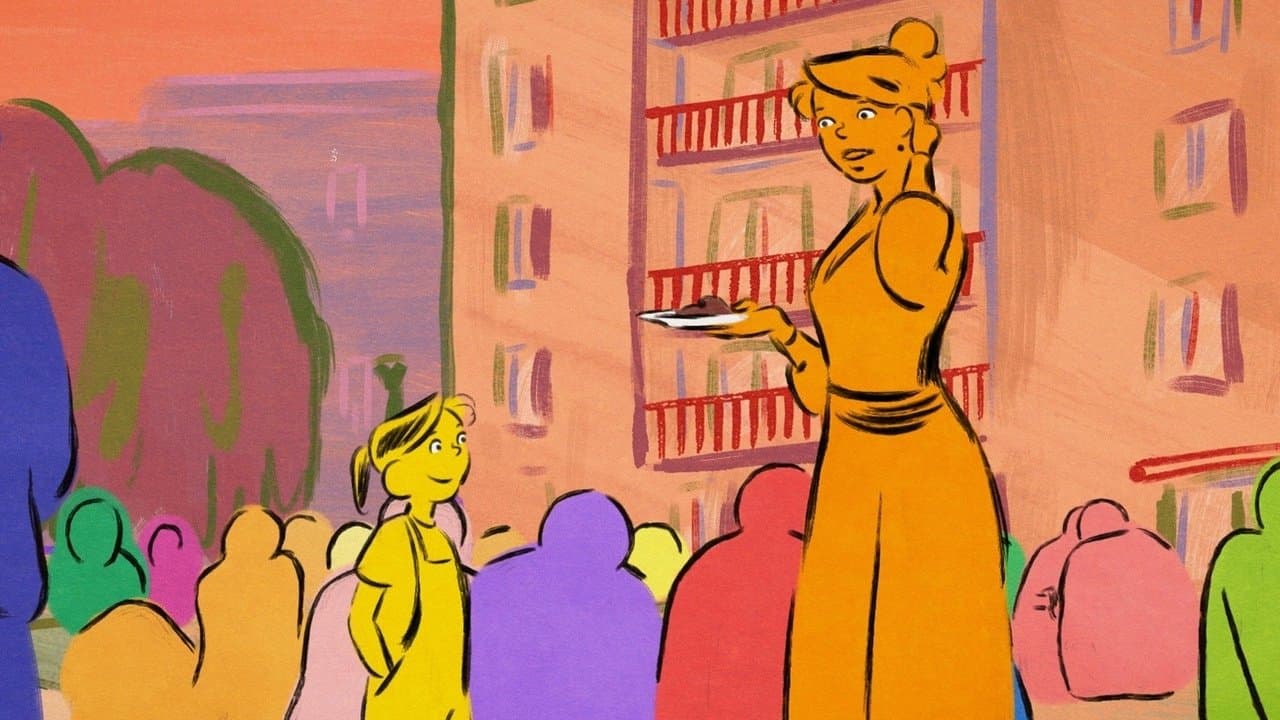
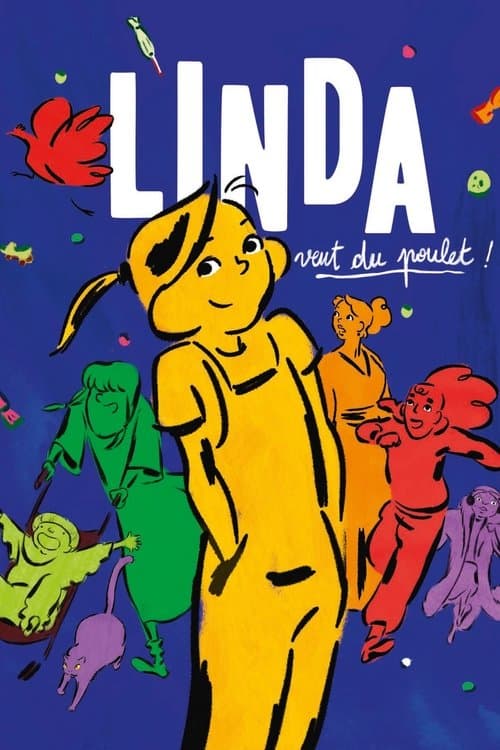
Linda Wants Chicken! is a colourful and energetic animated film with an atmosphere that is both funny and touching, rooted in a working-class neighbourhood in Paris. The plot follows a little girl who demands from her mother the favourite dish of her deceased father, triggering a day of chaos and solidarity in the housing estate. The film is aimed primarily at young children, but works on multiple levels and speaks to adults as well.
Parental and Family Portrayals
The emotional heart of the film rests on the mother-daughter relationship and parental guilt. The mother commits an injustice against Linda early in the story and spends the film trying to repair it, which leads to a scene of sincere and straightforward apology. The father is absent because he died before Linda knew him, and his memory runs through the entire film like a soft and melancholic thread. This treatment of grief is accessible to young children without being sugar-coated: death is present, named, and the loss is real. A musical sequence briefly shows images of a dead man, which may surprise the youngest viewers.
Violence
Violence is light and clearly comic in its treatment, but it is more present than one might expect in a film aimed at six-year-olds and up. Repeated discussions about how to kill a chicken, with allusions to strangling and beheading, are treated in an absurd register rather than a realistic one, but they may trouble sensitive children. A chicken is thrown out of a building window, a cat is hurled across a kitchen, and a woman slaps another woman several times. These scenes remain within the realm of physical comedy and have no violent intent, but they merit being anticipated for the youngest or most impressionable children.
Underlying Values
The film strongly values collective solidarity: faced with an absurd quest, an entire neighbourhood mobilises, and it is community mutual aid that allows progress. Childhood friendship is presented as concrete and reliable support. In counterpoint, the police and law enforcement are systematically ridiculed and presented as incompetent obstacles, even to the point of a scene where children expel police officers from the estate. This treatment of authority is consistent with the film's satirical tone, but it constitutes a useful angle for discussion with children about their relationship to institutions.
Language
The language remains broadly mild, with a few slightly informal or vulgar expressions in the original English version. In the French version, the register is similar: a few expressions of frustration, nothing shocking for the intended age group.
Strengths
The film stands out for graphically inventive animation, with bold colours and sustained visual energy that reflects the emotional state of the characters with real coherence. The writing manages to treat situational comedy and grief simultaneously without one overwhelming the other, which is a difficult balance to strike. The maternal figure is complex and flawed, which is rare in animation aimed at young children and gives the film an appreciable emotional honesty. The setting of the working-class Parisian housing estate is rendered with affection and without condescension, and the narrative mechanics of the collective quest work with genuine momentum.
Age recommendation and discussion points
The film is suitable from age 6, with parental presence recommended for children between 5 and 7 years old due to the comic scenes of animal violence and images related to death. Two angles for discussion naturally emerge after viewing: how one keeps the memory of someone one never knew, and why the mother apologises at the end, what it means to acknowledge that one was wrong.
Synopsis
Single mother Paulette decides to make up for her mistake by cooking a chicken with peppers for her daughter—only she can't cook and shopkeepers are on strike.
About this title
- Format
- Feature film
- Year
- 2023
- Runtime
- 1h 16m
- Countries
- France, Italy
- Original language
- FR
- Directed by
- Chiara Malta, Sébastien Laudenbach
- Main cast
- Mélinée Leclerc, Clotilde Hesme, Laetitia Dosch, Estéban, Patrick Pineau, Claudine Acs, Jean-Marie Fonbonne, Antoine Momey, Pietro Sermonti, Scarlett Choletton
- Studios
- Dolce Vita Films, Miyu Productions, France 3 Cinéma, Palosanto Films
Content barometer
- Violence2/5Moderate
- Fear2/5A few scenes
- Sexuality0/5None
- Language1/5Mild
- Narrative complexity1/5Accessible
- Adult themes0/5None
Values conveyed
- Friendship
- Forgiveness
- helpfulness
- family
- making amends