Charlie's Christmas
L'enfant au grelot
Does this age rating seem accurate to you?
Detailed parental analysis
The Child with the Bell is an animated Christmas tale with a singular atmosphere, oscillating between the warmth of a story about solidarity and the darker hues of dream, solitude and melancholy. An orphaned child discovered in the midst of a snowstorm becomes caught up in the destiny of a depressive and grumpy Father Christmas, in a quest that transforms them both. The film is aimed primarily at young children, but its emotional treatment, more complex than the average animated tale, calls for parental guidance for the youngest viewers.
Parental and Family Portrayals
Abandonment and orphanhood form the emotional heart of the film: the protagonist is a foundling, discovered alone in a snowstorm, with no known family. This founding abandonment runs through the entire plot and fuels the character's quest for identity. Father Christmas himself functions as a failing parental figure: depressive, he burns the children's letters, symbolically rejecting their hopes and trust. This dual motif, the child without parents and the adult guardian who betrays his role, can resonate powerfully with a young viewer. The film's resolution fortunately provides a counterweight: reconciliation with this figure and a reaffirmation that children and their wishes have value.
Underlying Values
The film carries solid values well woven into the narrative: the disinterested kindness of the orphaned protagonist, who helps his peers without expecting anything in return, is presented as a strength rather than naivety. Hope resists adversity, even in the most precarious circumstances. Father Christmas is not a manichean figure but a fractured character, which gives the final reconciliation real moral weight. The film thus conveys a nuanced idea of benevolence: it does not arise from ease but asserts itself despite obstacles, and it can transform even the most guarded characters.
Violence
The film contains a few scenes of physical tension, notably a collective attack in which villagers pin Father Christmas against a wall, and the destruction of his costume by fire. These moments remain brief and non-gory, but their sudden brutality may surprise within a Christmas tale setting. They are narratively justified by the character's social rejection and serve the dramaturgy of his downfall, without particular visual indulgence.
Social Themes
The film addresses sensitively the question of the child without family in a society that does not always know what to do with him. The orphanage is neither idealised nor dramatised excessively, but the solitude of the foundling and his quest for belonging run through the narrative with a sincerity that sets it apart from more sanitised tales. This is an angle that can open conversation about inclusion, difference and what it means to find one's place.
Strengths
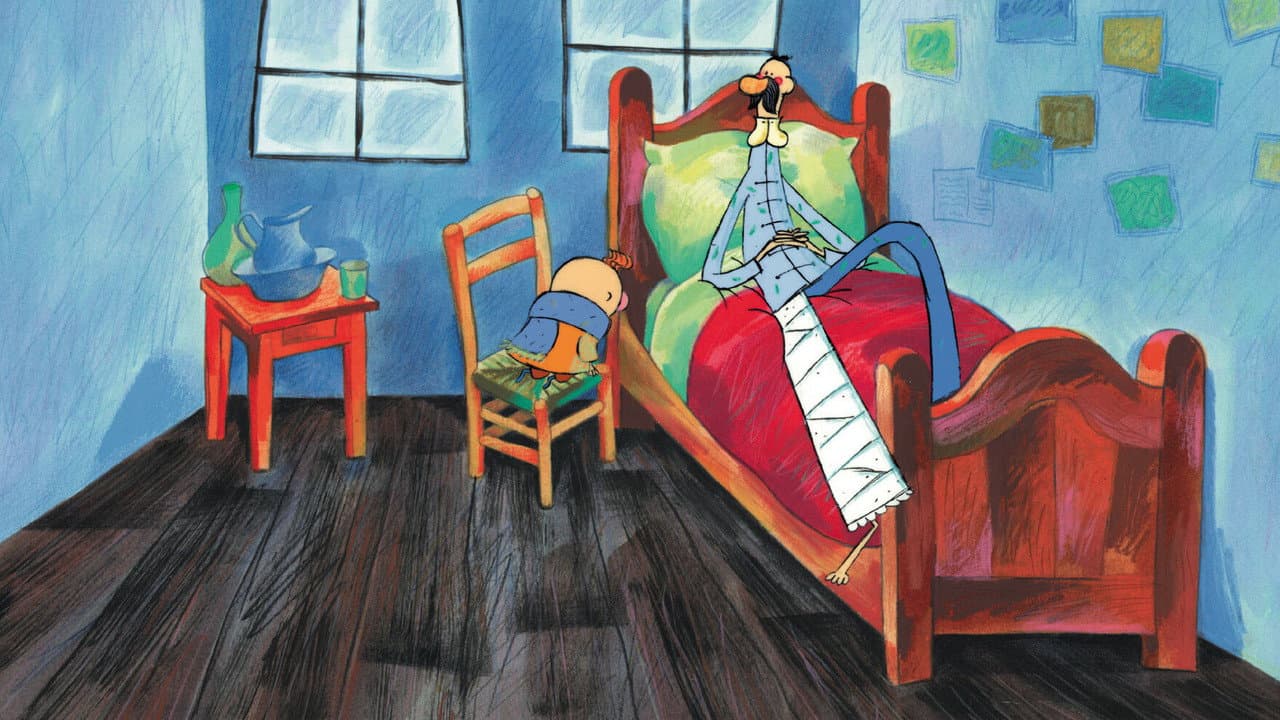
The film distinguishes itself by its refusal of the uniformly smooth Christmas tale: by making its Father Christmas a depressive and grumpy character, it offers a final reconciliation all the more convincing for having been earned. The nightmare sequence, with its expressionist imagery, testifies to genuine visual ambition and a determination not to underestimate the young viewer's capacity to navigate emotional discomfort. The orphan's quest for identity is treated with sincerity, without easy resolution. These qualities make it an animated tale that has something to say rather than a mere festive wrapper.
Age recommendation and discussion points
The film is suitable from age 4 with parental guidance, and can be watched comfortably from age 6 onwards. Two angles merit discussion after viewing: why was Father Christmas burning the children's letters, and how did the protagonist manage to remain generous despite his solitude, which naturally opens onto the question of what helps us stay good when things go badly.
Synopsis
Grand-Jacques the postman watches a mysterious wicker basket slowly float down from the sky and discovers a baby holding a small bell, and the adventure starts.
About this title
- Format
- Short film
- Year
- 1998
- Runtime
- 26m
- Countries
- France
- Original language
- FR
- Studios
- Canal+, Folimage, France 3, ZDF, Eva Entertainment
Content barometer
- Violence2/5Moderate
- Fear3/5Notable tension
- Sexuality0/5None
- Language0/5None
- Narrative complexity0/5Simple
- Adult themes0/5None
Watch-outs
- Grief
- Death / grief
Values conveyed
- Perseverance
- Compassion
- Autonomy
- Forgiveness
- friendship
- hope
- family
- identity