
Cinderella
Cinderella
Your feedback improves this guide
Your feedback highlights guides that need a second look and keeps the rating trustworthy.
Does this age rating seem accurate to you?
Sign in to vote
Watch-outs
What this film brings
Content barometer
Violence
1/5
Mild
Fear
1/5
Mild
Sexuality
1/5
Allusions
Language
0/5
None
Narrative complexity
0/5
Simple
Adult themes
0/5
None
Expert review
Cinderella (1950) is an enchanting Disney musical fairy tale wrapped in a gentle, dreamlike atmosphere that makes it one of the most iconic animated films for young children. The sensitive elements revolve mainly around the psychological mistreatment inflicted on Cinderella by her stepmother and stepsisters, who demean, mock, and restrict her throughout the story, as well as the off-screen death of her father mentioned early in the film. These recurring moments of humiliation and injustice are handled in a stylized fairy-tale register that keeps them from feeling traumatic, and the film remains overwhelmingly hopeful and magical in tone. Parents can use this viewing as an opportunity to discuss resilience, kindness in the face of unfairness, and the importance of not letting others define one's worth.
Synopsis
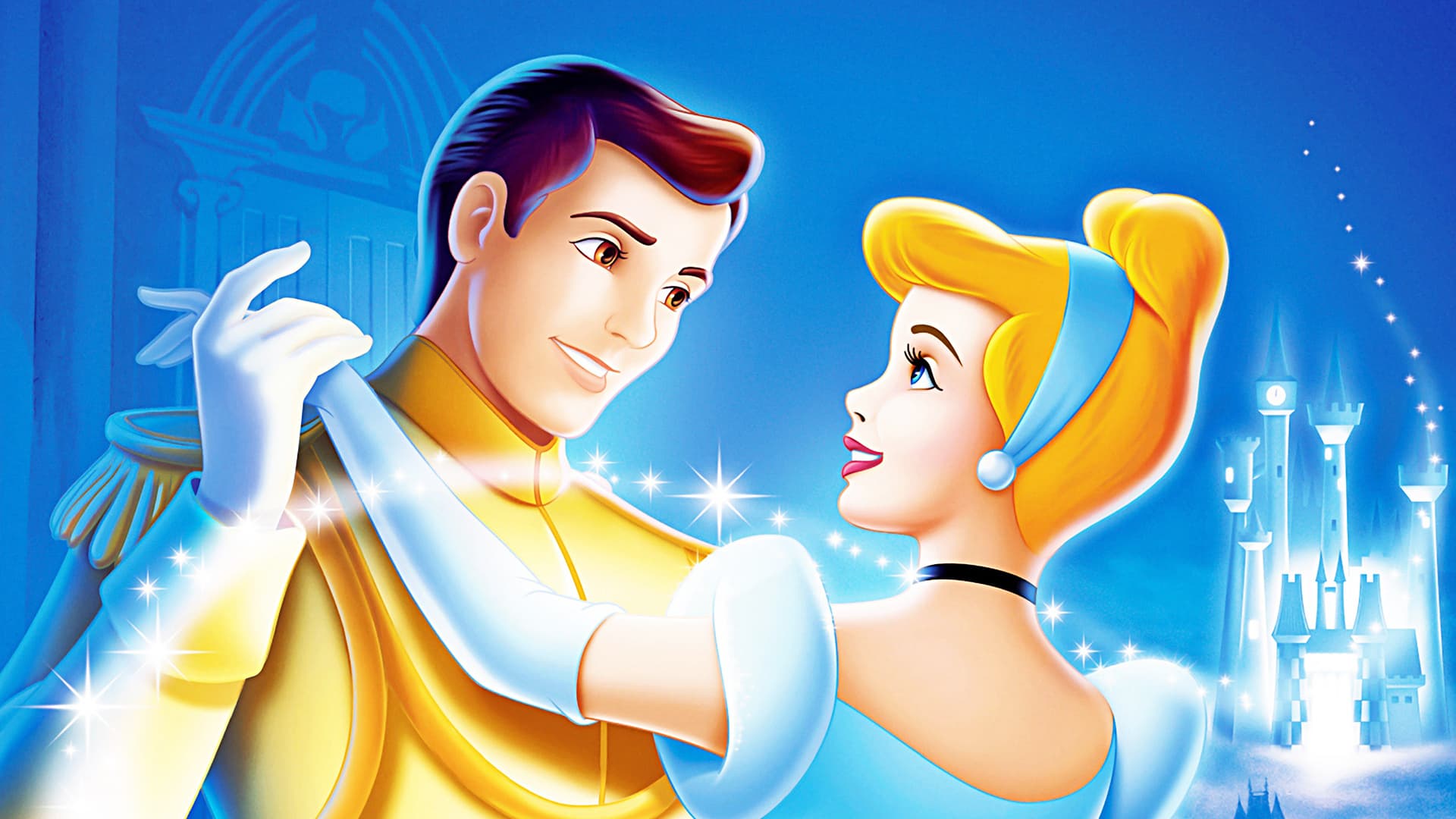
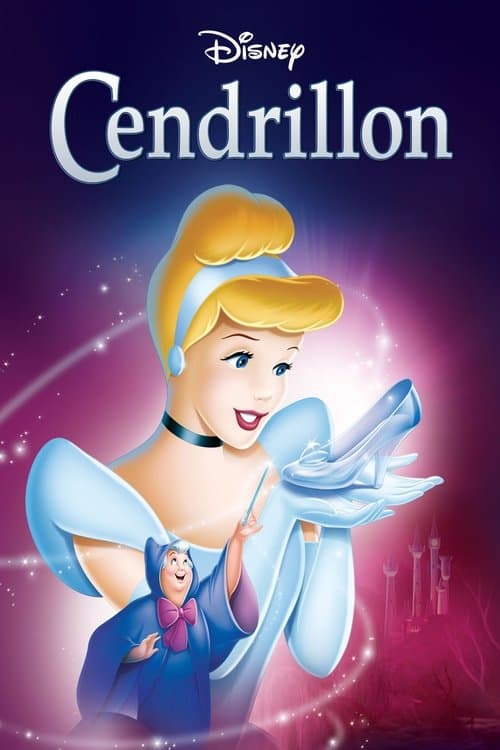
Cinderella has faith her dreams of a better life will come true. With help from her loyal mice friends and a wave of her Fairy Godmother's wand, Cinderella's rags are magically turned into a glorious gown and off she goes to the Royal Ball. But when the clock strikes midnight, the spell is broken, leaving a single glass slipper... the only key to the ultimate fairy-tale ending!
Difficult scenes
The death of Cinderella's father is mentioned in the opening narration within the first few minutes of the film, without being shown on screen. Although handled briefly and without graphic detail, this reference to parental loss may affect children who are sensitive to themes of separation or bereavement, and parents may wish to acknowledge it gently. The stepmother deliberately gives Cinderella an impossible list of chores to prevent her from attending the ball, after implying she would be allowed to go. This cold and calculated manipulation, free of physical violence but clearly malicious, may unsettle young children who feel the injustice of the situation and empathize with Cinderella's distress. The stepsisters deliberately tear apart the dress Cinderella had carefully prepared for the ball, destroying her hopes with cruel laughter. This brief but emotionally charged scene shows Cinderella in tears and may be experienced with significant empathy or sadness by young viewers. The cat Lucifer serves as a recurring comic antagonist who repeatedly chases the mice Jaq and Gus in slapstick pursuit sequences. While these moments are played for humor, very young or animal-sensitive children may experience mild anxiety during these chases.
Where to watch
No verified platform for the US market yet. We keep this section updated as availability changes.
Availability checked on Apr 01, 2026
About this title
- Format
- Feature film
- Year
- 1950
- Runtime
- 1h 14m
- Countries
- United States of America
- Original language
- EN
- Studios
- Walt Disney Productions
Content barometer
Violence
1/5
Mild
Fear
1/5
Mild
Sexuality
1/5
Allusions
Language
0/5
None
Narrative complexity
0/5
Simple
Adult themes
0/5
None
Expert review
Cinderella (1950) is an enchanting Disney musical fairy tale wrapped in a gentle, dreamlike atmosphere that makes it one of the most iconic animated films for young children. The sensitive elements revolve mainly around the psychological mistreatment inflicted on Cinderella by her stepmother and stepsisters, who demean, mock, and restrict her throughout the story, as well as the off-screen death of her father mentioned early in the film. These recurring moments of humiliation and injustice are handled in a stylized fairy-tale register that keeps them from feeling traumatic, and the film remains overwhelmingly hopeful and magical in tone. Parents can use this viewing as an opportunity to discuss resilience, kindness in the face of unfairness, and the importance of not letting others define one's worth.
Synopsis
Cinderella has faith her dreams of a better life will come true. With help from her loyal mice friends and a wave of her Fairy Godmother's wand, Cinderella's rags are magically turned into a glorious gown and off she goes to the Royal Ball. But when the clock strikes midnight, the spell is broken, leaving a single glass slipper... the only key to the ultimate fairy-tale ending!
Difficult scenes
The death of Cinderella's father is mentioned in the opening narration within the first few minutes of the film, without being shown on screen. Although handled briefly and without graphic detail, this reference to parental loss may affect children who are sensitive to themes of separation or bereavement, and parents may wish to acknowledge it gently. The stepmother deliberately gives Cinderella an impossible list of chores to prevent her from attending the ball, after implying she would be allowed to go. This cold and calculated manipulation, free of physical violence but clearly malicious, may unsettle young children who feel the injustice of the situation and empathize with Cinderella's distress. The stepsisters deliberately tear apart the dress Cinderella had carefully prepared for the ball, destroying her hopes with cruel laughter. This brief but emotionally charged scene shows Cinderella in tears and may be experienced with significant empathy or sadness by young viewers. The cat Lucifer serves as a recurring comic antagonist who repeatedly chases the mice Jaq and Gus in slapstick pursuit sequences. While these moments are played for humor, very young or animal-sensitive children may experience mild anxiety during these chases.