Captain Fall
Does this age rating seem accurate to you?
Detailed parental analysis
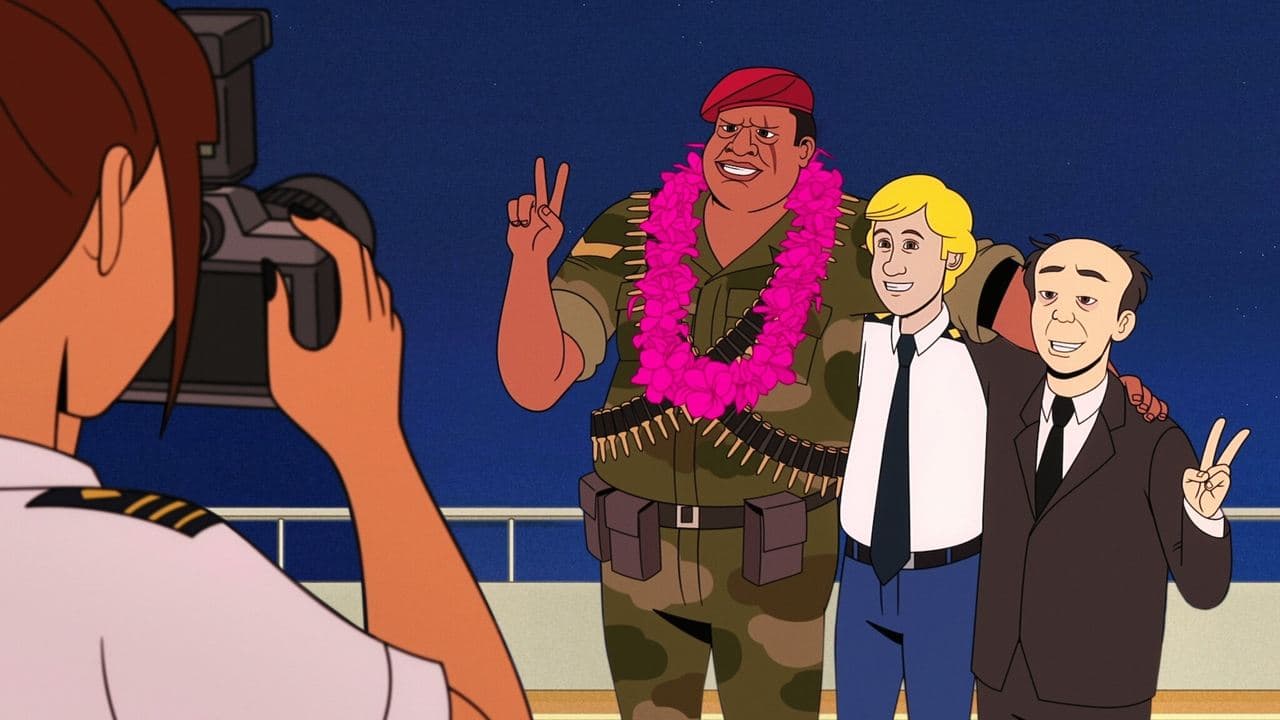
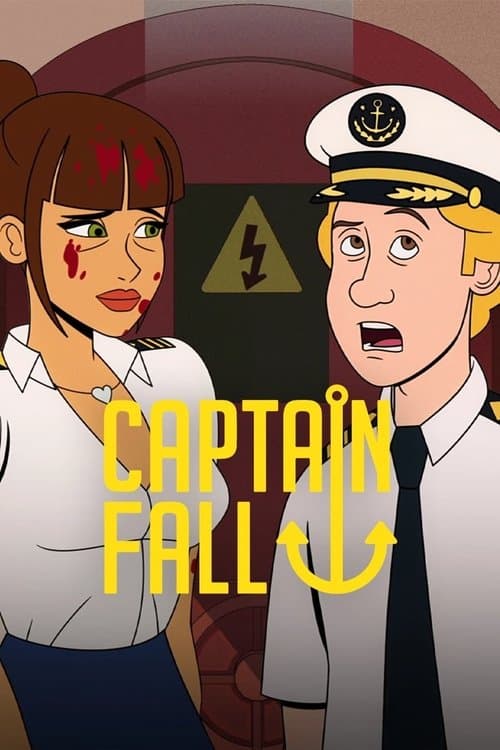
Captain Fall is an adult animated series with a satirical and deliberately absurd tone, driven by dark humour that relies on shock and constant transgression. The plot follows a naive and well-meaning ship captain who is manipulated without his knowledge to serve as a cover for an international criminal organisation engaged in human trafficking and smuggling. The series targets an informed adult audience and has no family or teenage purpose whatsoever, despite a distribution rating that may have suggested otherwise.
Sex and Nudity
Sexual content is omnipresent and explicit throughout the series. It includes scenes of partner-swapping described as graphic with pornographic-level dialogue, a scene showing parents engaged in intercourse in front of their son with open discussion of the content, and recurring partial nudity predominantly male. This is not suggestive or romantic sexuality: the series uses sex as a shock comedy device, without critical distance or narrative contextualisation. It is one of the most clearly disqualifying elements for any viewing below 16 years of age.
Social Themes
Human trafficking and the exploitation of people form the central narrative driver of the series: it is precisely what the captain's ship conceals. The treatment is satirical and not documentary, but the question arises as to whether the humour defuses the gravity of the subject or trivialises it. The series offers no structured reflection on these crimes: it uses them as a comic backdrop without ever portraying the victims with humanity. For an adolescent lacking the tools to separate satire from the subject matter being treated, this approach is problematic.
Violence
Shootings, fatal shootings and scenes of violence are frequent and integrated into the series' comic register. Added to this are scenes of animal corpse mutilation and animal penile castration, played for a disgust-laughter effect. Violence is neither questioned nor carries narrative significance: it systematically serves the logic of absurdist transgression. The absence of emotional consequences for characters in the face of death or brutality reinforces a representation in which serious violence costs nothing.
Underlying Values
The series constructs its identity on systematic joking around serious crimes, murder, smuggling and trafficking, without assuming the moral consequences. Transgressive humour works through the accumulation of shocks without any underlying critical foundation. In parallel, positive elements emerge around the main character, notably his perseverance, his compassion and his sound moral choices within a corrupt world, which constitutes the only real tension of values in the narrative. Yet this tension remains fragile against the mass of transgressive content that surrounds it.
Parental and Family Portrayals
The parental figures in the series are represented in a caricaturally negative way: selfish, cruel and entirely devoid of any protective or loving function. No constructive parental model is offered. This representation is not tempered by any narrative reflection on what parental absence produces in a child: it is there for comic effect, which makes it an element to flag for young viewers who are forming their own family reference points.
Substances
Excessive alcohol consumption is present and treated as a source of comedy, without any critical eye on its effects. This valorising treatment of alcohol abuse through humour is a moderate but real signal for adolescents.
Language
The series systematically uses a vulgar register including repeated English-language insults and swearing in Brazilian Portuguese. This is not occasional crude language: it constitutes the normal texture of dialogue throughout the episodes.
Strengths
The series demonstrates tonal coherence in its absurdism and a certain effectiveness in constructing its main character, whose sincere naivety creates a comic disconnect that works intermittently. The underlying idea, a good man used as a façade by criminals, contains real satirical potential about involuntary complicity and good conscience. This potential remains largely unexploited in favour of escalation. Beyond this central arc, the series offers no notable narrative, emotional or artistic qualities that would compensate for its problematic content.
Age recommendation and discussion points
Captain Fall is not suitable before the age of 16, and comfortable viewing requires an adult capable of looking beyond shock effects to identify the satirical mechanics at work. If viewing takes place with an adolescent aged 16 or 17, two angles of discussion deserve to be opened: how laughing at a serious crime such as human trafficking without ever showing its victims can contribute to normalising its representation, and how to distinguish satire that criticises what it shows from humour that merely makes a spectacle of it.
Synopsis
A goofy, gullible sea captain is hired to helm a high-end cruise ship and becomes the perfect fall guy for an illicit smuggling operation.
Where to watch
Availability checked on Apr 03, 2026
About this title
- Format
- TV series
- Year
- 2023
- Countries
- United States of America
- Original language
- EN
- Directed by
- Jon Iver Helgaker, Jonas Torgersen, Joel Trussell
- Main cast
- Jason Ritter, Christopher Meloni, Anthony Carrigan, Alejandro Edda, Adam Devine, Trond Fausa Aurvåg, Lesley-Ann Brandt
- Studios
- Writers & Models
Content barometer
- Violence4/5Strong
- Fear2/5A few scenes
- Sexuality5/5Very explicit
- Language4/5Strong
- Narrative complexity1/5Accessible
- Adult themes3/5Marked
Watch-outs
- Alcohol
- Strong language
- Sexuality
- Violence
- Abuse
Values conveyed
- Perseverance
- Compassion
- naivety as strength
- unexpected friendship
- satire of power