
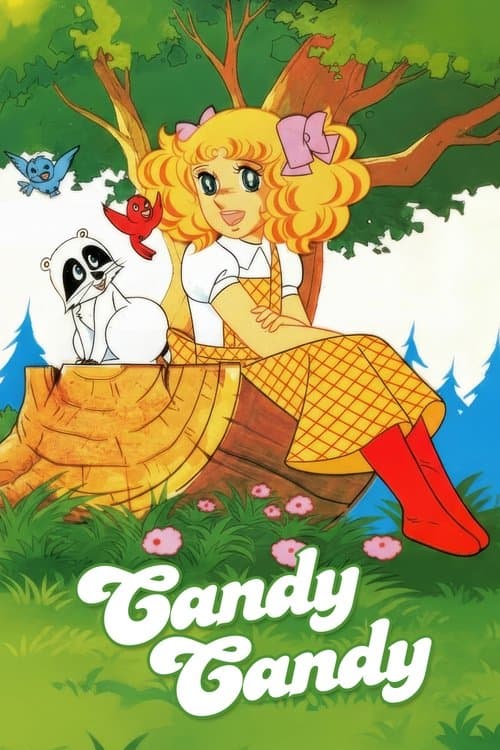
Candy Candy
キャンディ・キャンディ
Does this age rating seem accurate to you?
Detailed parental analysis
Candy is a Japanese animated series with a melodramatic and emotionally intense tone, adapted from a manga from the 1970s. The plot follows a young orphan with a sunny disposition who endures a succession of hardships, separations and losses whilst seeking her place in the world and love. Despite its appearance as a children's cartoon, the emotional depth and recurring theme of loss make it a work that resonates with both pre-adolescents and nostalgic adults.
Underlying Values
The series rests on a solid and coherent framework of values: perseverance in the face of adversity, unconditional generosity and the ability to overcome grief without being destroyed by it. Candy embodies a rare model of female resilience for her time, refusing passivity and the expectation of a saviour. The series also addresses class conflict in a way that is accessible to a young audience: wealth is associated with arrogance and injustice, whilst kindness is consistently found among the humble. This pattern is narratively effective but deserves to be discussed with the child, as it simplifies a more nuanced reality. The scene in which Candy renounces romantic love to preserve a friend's happiness is one of the morally richest moments in the series, and an excellent entry point for discussing altruism and sacrifice.
Violence
Physical violence remains mild and without serious consequences: a few scuffles between children, pushing and shoving, altercations without blood or lasting injuries. By contrast, the psychological violence inflicted by Neil and Eliza on Candy is persistent, repeated and clearly presented as unjust. Moral harassment is a thread running through the series, and its portrayal, whilst not gratuitous, can resonate strongly with a child experiencing a similar situation. Anthony's death, caused by a fall from a horse, constitutes the most brutal emotional shock in the series: it is treated with gravity and without softening, making it a difficult but narratively justified moment.
Parental and Family Portrayals
The orphanage as a starting point places the question of parental absence at the heart of the narrative from the outset. Benevolent adult figures are rare and often fleeting, whilst figures of family or institutional authority are frequently unjust, indifferent or manipulative. This portrayal of a failing adult world reinforces the autonomy of the main character but can also instil in the young viewer a generalised mistrust of adults, which is worth nuancing through discussion.
Substances
Several adult characters smoke pipes, cigars or cigarettes, and scenes of wine or whisky consumption appear occasionally. These elements are presented as normal social attributes of the period depicted, without explicit warning or valorisation. Their presence is incidental to the narrative but visible to an attentive child.
Sex and Nudity
Nudity is limited to bathing scenes where the body is covered by foam, with no sexual connotation whatsoever. A few scenes of romantic tenderness, such as a kiss on the hand causing a blush, remain in a very modest register and suited to a young audience.
Strengths
The series possesses genuine emotional intelligence: it does not shield the child from loss, grief or injustice, but shows her that it is possible to endure these trials without breaking. This narrative honesty is a lasting pedagogical quality. Candy is one of the rare female heroes of animation from this generation to be defined by her character and will rather than by her beauty or her expectation of a prince. The construction in successive arcs, each centred on a relationship or a loss, gives the series a structure that encourages discussion episode by episode. The emotional intensity, sometimes difficult, is also what makes the series memorable and capable of leaving a lasting mark on a child in the right way.
Age recommendation and discussion points
The series is accessible from age 7 or 8 for emotionally resilient children, but repeated grief and sustained harassment make it a more serene experience from age 9 or 10 onwards. Two angles of discussion are essential after viewing: why does Candy remain kind despite everything she is made to suffer, and is that always a good idea, and how to recognise in real life behaviour like that of Neil and Eliza, and know who to talk to about it.
Synopsis
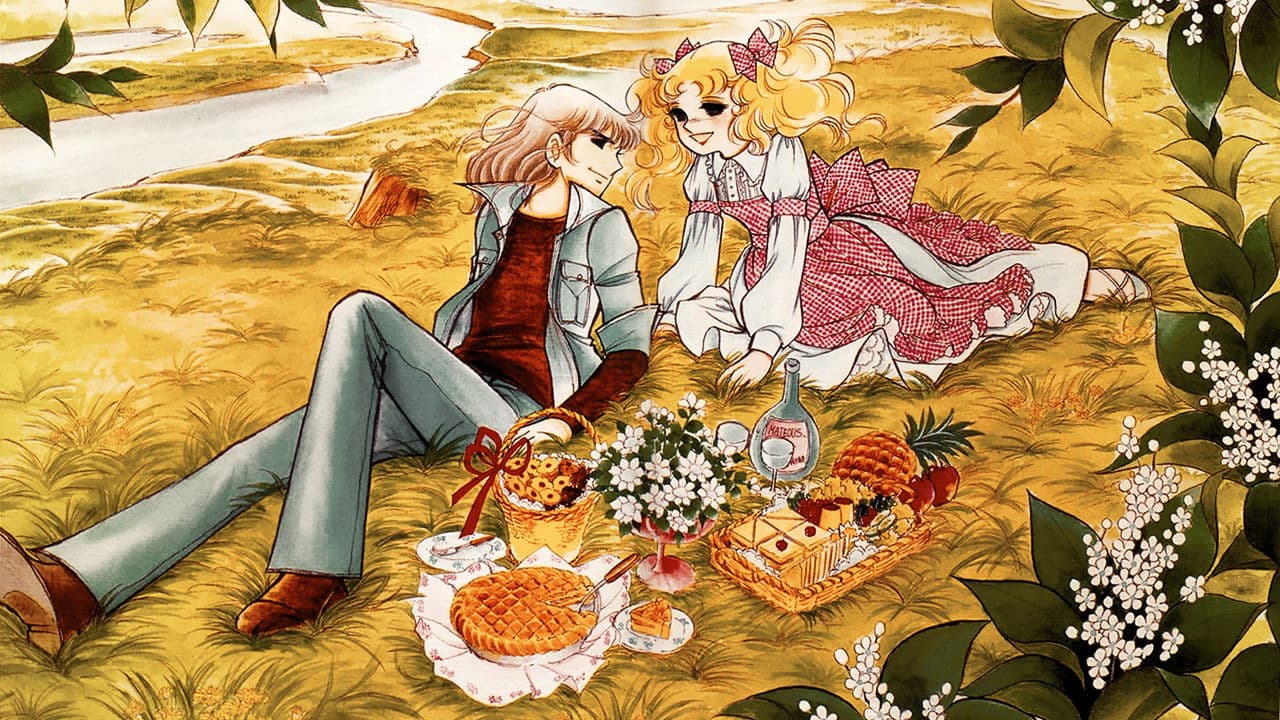
This story is about a girl, Candy, who is a orphan. She is a nice and optimistic girl and she has a warm heart. When she was a child, she lived in an orphanage called Pony's Home. She had a good friend called Ann. And she met the "handsome boy on the hill" who is a important person in her life, on the hill behind the orphanage. She was adopted by the Loka's family. What's awaiting her are the bad-hearted Leo and his sister, Eliza. One day, in the rose garden, she met a boy, who is identical to the "handsome boy on the hill" who she had met in her childhood. The boy is called Antony. Thereafter, a fantastic story that she has never expected begins.
About this title
- Format
- TV series
- Year
- 1976
- Runtime
- 25m
- Countries
- Japan, United States of America
- Original language
- JA
- Directed by
- Kyoko Mizuki
- Main cast
- Minori Matsushima, Makio Inoue, Kei Tomiyama, Kazuhiko Inoue, Kaneta Kimotsuki, Yuji Mitsuya, Mami Koyama, Chiyoko Kawashima, Yumi Nakatani, Kiyoshi Komiyama
- Studios
- Toei Animation, Antenne 2, ICI RDI
Content barometer
- Violence2/5Moderate
- Fear2/5A few scenes
- Sexuality1/5Allusions
- Language0/5None
- Narrative complexity2/5Moderate
- Adult themes1/5Mild
Values conveyed
- Perseverance
- Compassion
- Autonomy
- Forgiveness
- friendship
- courage
- resilience
- empathy