
Candy Candy
キャンディ・キャンディ
Candy Candy
キャンディ・キャンディ
Your feedback improves this guide
Your feedback highlights guides that need a second look and keeps the rating trustworthy.
Does this age rating seem accurate to you?
Sign in to vote
Watch-outs
What this film brings
Content barometer
Violence
1/5
Mild
Fear
2/5
A few scenes
Sexuality
0/5
None
Language
1/5
Mild
Narrative complexity
2/5
Moderate
Adult themes
0/5
None
Expert review
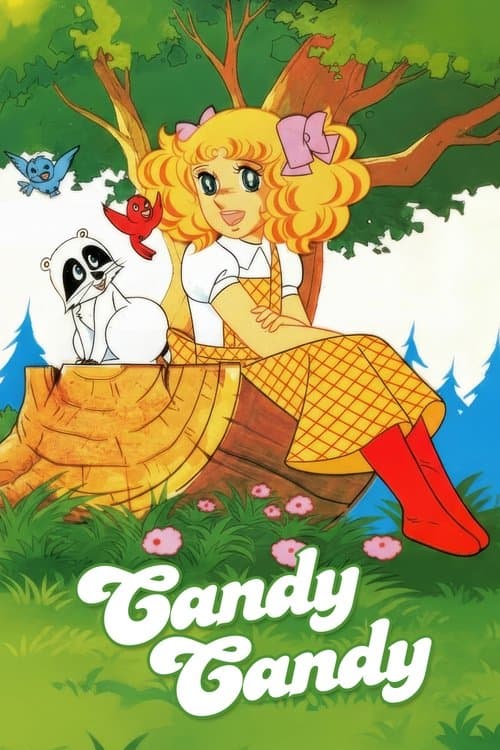
Candy Candy is a youth animated series with a strongly emotional tone, following a brave orphan girl through separation, humiliation, and repeated social hardship in a period setting with romantic overtones. The main sensitive elements come from abandonment, sadness linked to orphanage life, recurring mockery from children and adults, and psychological mistreatment when Candy is belittled and pushed into a servant role. The visual intensity stays mild, with no graphic violence and no sexual content, but the emotional weight appears regularly and can be difficult for very young viewers, especially children who are sensitive to unfairness, crying, or rejection. The work also carries some dated gender stereotypes, with the heroine often framed through gentleness, beauty, and her place in family or romantic dynamics, which parents may want to discuss briefly. For most children, co viewing helps by giving historical context, reassuring them during cruel or upsetting scenes, and opening conversation about resilience, empathy, and how vulnerable people should be treated.
Synopsis
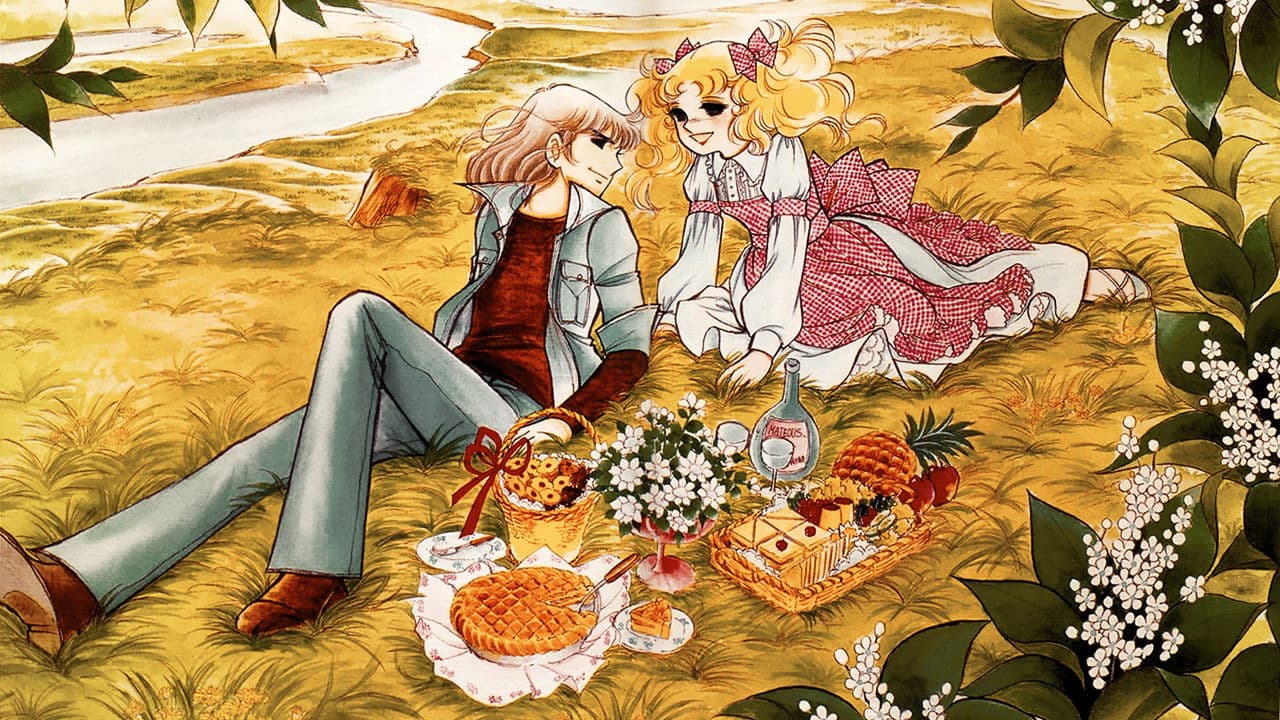
This story is about a girl, Candy, who is a orphan. She is a nice and optimistic girl and she has a warm heart. When she was a child, she lived in an orphanage called Pony's Home. She had a good friend called Ann. And she met the "handsome boy on the hill" who is a important person in her life, on the hill behind the orphanage. She was adopted by the Loka's family. What's awaiting her are the bad-hearted Leo and his sister, Eliza. One day, in the rose garden, she met a boy, who is identical to the "handsome boy on the hill" who she had met in her childhood. The boy is called Antony. Thereafter, a fantastic story that she has never expected begins.
Difficult scenes
The story begins with Candy being abandoned and raised in an orphanage, with scenes of separation and crying that can affect a young child quite directly. Annie's departure is especially sad, because Candy feels the loss deeply and seeks comfort while alone with her grief. When Candy is taken into a family home, she is soon mocked, humiliated, and treated unfairly. These are not physically violent scenes in a graphic sense, but the repeated contempt, commands, and belittling may be upsetting for children who are sensitive to bullying. The series regularly places its heroine under emotional strain, with moments of loneliness, uncertainty, and strong sadness. Even when the tone becomes brighter again, these sequences can leave a lingering melancholy for younger viewers. The romantic material stays very innocent, but some episodes reinforce fairly traditional female roles connected to grace, sweetness, and waiting for emotional recognition. This is not shocking on its own, yet these dated portrayals may be worth discussing so a child hears that a girl is not defined only by beauty or by romantic destiny.
Where to watch
No verified platform for the US market yet. We keep this section updated as availability changes.
About this title
- Format
- TV series
- Year
- 1976
- Runtime
- 25m
- Countries
- Japan, United States of America
- Original language
- JA
- Directed by
- Kyoko Mizuki
- Main cast
- Minori Matsushima, Makio Inoue, Kei Tomiyama, Kazuhiko Inoue, Kaneta Kimotsuki, Yuji Mitsuya, Mami Koyama, Chiyoko Kawashima, Yumi Nakatani, Kiyoshi Komiyama
- Studios
- Toei Animation, Antenne 2, ICI RDI
Content barometer
Violence
1/5
Mild
Fear
2/5
A few scenes
Sexuality
0/5
None
Language
1/5
Mild
Narrative complexity
2/5
Moderate
Adult themes
0/5
None
Expert review
Candy Candy is a youth animated series with a strongly emotional tone, following a brave orphan girl through separation, humiliation, and repeated social hardship in a period setting with romantic overtones. The main sensitive elements come from abandonment, sadness linked to orphanage life, recurring mockery from children and adults, and psychological mistreatment when Candy is belittled and pushed into a servant role. The visual intensity stays mild, with no graphic violence and no sexual content, but the emotional weight appears regularly and can be difficult for very young viewers, especially children who are sensitive to unfairness, crying, or rejection. The work also carries some dated gender stereotypes, with the heroine often framed through gentleness, beauty, and her place in family or romantic dynamics, which parents may want to discuss briefly. For most children, co viewing helps by giving historical context, reassuring them during cruel or upsetting scenes, and opening conversation about resilience, empathy, and how vulnerable people should be treated.
Synopsis
This story is about a girl, Candy, who is a orphan. She is a nice and optimistic girl and she has a warm heart. When she was a child, she lived in an orphanage called Pony's Home. She had a good friend called Ann. And she met the "handsome boy on the hill" who is a important person in her life, on the hill behind the orphanage. She was adopted by the Loka's family. What's awaiting her are the bad-hearted Leo and his sister, Eliza. One day, in the rose garden, she met a boy, who is identical to the "handsome boy on the hill" who she had met in her childhood. The boy is called Antony. Thereafter, a fantastic story that she has never expected begins.
Difficult scenes
The story begins with Candy being abandoned and raised in an orphanage, with scenes of separation and crying that can affect a young child quite directly. Annie's departure is especially sad, because Candy feels the loss deeply and seeks comfort while alone with her grief. When Candy is taken into a family home, she is soon mocked, humiliated, and treated unfairly. These are not physically violent scenes in a graphic sense, but the repeated contempt, commands, and belittling may be upsetting for children who are sensitive to bullying. The series regularly places its heroine under emotional strain, with moments of loneliness, uncertainty, and strong sadness. Even when the tone becomes brighter again, these sequences can leave a lingering melancholy for younger viewers. The romantic material stays very innocent, but some episodes reinforce fairly traditional female roles connected to grace, sweetness, and waiting for emotional recognition. This is not shocking on its own, yet these dated portrayals may be worth discussing so a child hears that a girl is not defined only by beauty or by romantic destiny.