Boro the Caterpillar
毛虫のボロ
Boro the Caterpillar
毛虫のボロ
Your feedback improves this guide
Your feedback highlights guides that need a second look and keeps the rating trustworthy.
Does this age rating seem accurate to you?
Sign in to vote
What this film brings
Content barometer
Violence
0/5
None
Fear
1/5
Mild
Sexuality
0/5
None
Language
0/5
None
Narrative complexity
0/5
Simple
Adult themes
0/5
None
Expert review
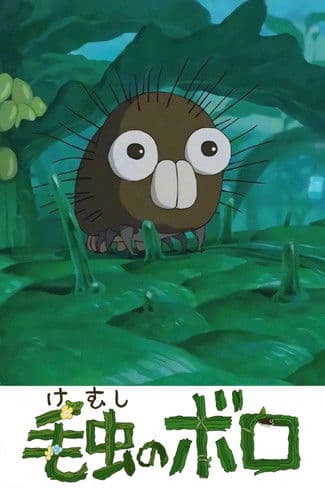
Boro the Caterpillar is an animated short film by Hayao Miyazaki, made exclusively for the Ghibli Museum, following a tiny newly hatched caterpillar as it takes its very first steps into the natural world, in a contemplative and wonder-filled spirit. The film contains no violence, sexuality, inappropriate language, or substances, though it does occasionally depict natural danger arising from the caterpillar's vulnerability as prey, including the presence of predatory insects or other threatening creatures. These moments remain brief and stylized with the characteristic gentleness of Studio Ghibli, and are set within an overall reassuring and awe-inspiring atmosphere that never tips into darkness. Parents can approach this viewing very serenely with very young children, using it as a gentle opportunity to talk about nature, small living creatures, and the cycle of life in a poetic and tender way.
Synopsis
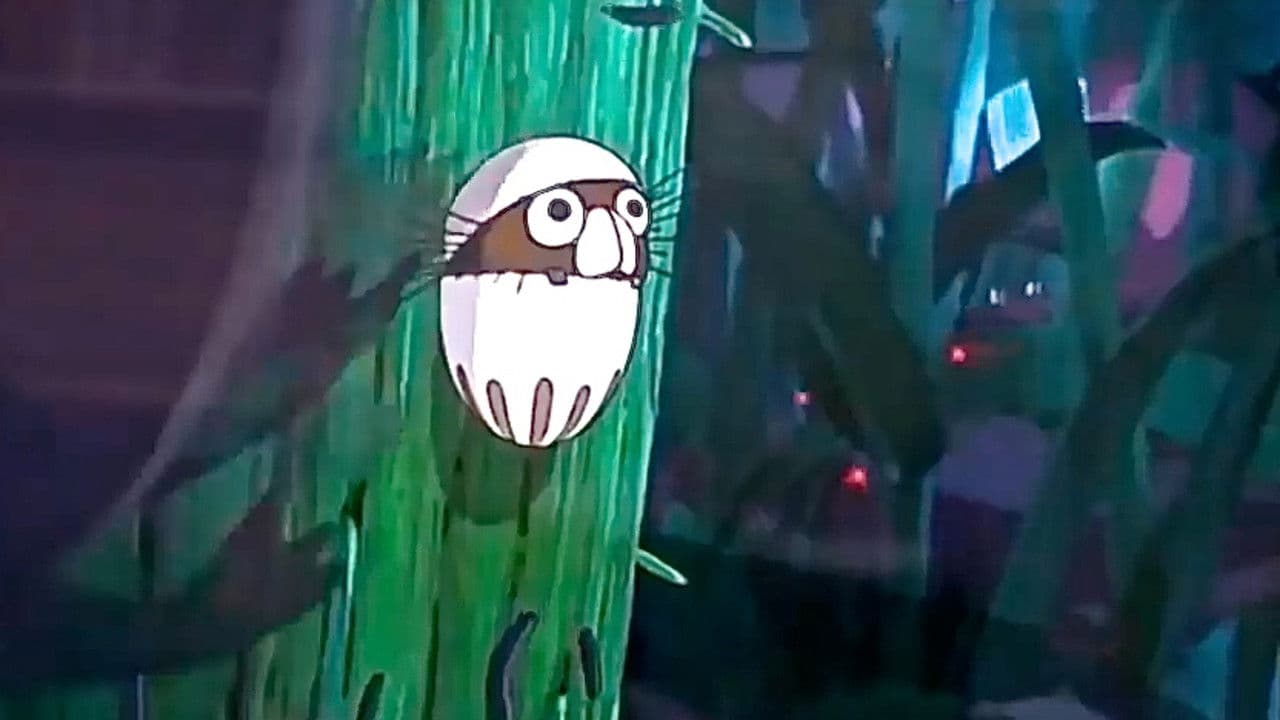
Just before dawn, Boro the Caterpillar hatched from an egg among patches of scrub grass. Looking around for the first time, he noticed the brilliance of the morning sun and a deliciousness in the air. Boro lowered himself down to the ground from the groundsel, and stepped out into the world of caterpillars and caterpillars' enemies.
Difficult scenes
At certain moments in the film, Boro encounters insects or creatures significantly larger than himself that represent a natural threat to his survival. These scenes are presented from the caterpillar's point of view, which may feel overwhelming or slightly startling for very young children, even though the direction remains gentle and does not dwell on violence or suffering.
Where to watch
No verified platform for the US market yet. We keep this section updated as availability changes.
Availability checked on Apr 01, 2026
About this title
- Format
- Short film
- Year
- 2018
- Runtime
- 14m
- Countries
- Japan
- Original language
- JA
- Directed by
- Hayao Miyazaki
- Main cast
- Tamori
- Studios
- Studio Ghibli
Content barometer
Violence
0/5
None
Fear
1/5
Mild
Sexuality
0/5
None
Language
0/5
None
Narrative complexity
0/5
Simple
Adult themes
0/5
None
Expert review
Boro the Caterpillar is an animated short film by Hayao Miyazaki, made exclusively for the Ghibli Museum, following a tiny newly hatched caterpillar as it takes its very first steps into the natural world, in a contemplative and wonder-filled spirit. The film contains no violence, sexuality, inappropriate language, or substances, though it does occasionally depict natural danger arising from the caterpillar's vulnerability as prey, including the presence of predatory insects or other threatening creatures. These moments remain brief and stylized with the characteristic gentleness of Studio Ghibli, and are set within an overall reassuring and awe-inspiring atmosphere that never tips into darkness. Parents can approach this viewing very serenely with very young children, using it as a gentle opportunity to talk about nature, small living creatures, and the cycle of life in a poetic and tender way.
Synopsis
Just before dawn, Boro the Caterpillar hatched from an egg among patches of scrub grass. Looking around for the first time, he noticed the brilliance of the morning sun and a deliciousness in the air. Boro lowered himself down to the ground from the groundsel, and stepped out into the world of caterpillars and caterpillars' enemies.
Difficult scenes
At certain moments in the film, Boro encounters insects or creatures significantly larger than himself that represent a natural threat to his survival. These scenes are presented from the caterpillar's point of view, which may feel overwhelming or slightly startling for very young children, even though the direction remains gentle and does not dwell on violence or suffering.