Bee Movie
Does this age rating seem accurate to you?
Detailed parental analysis
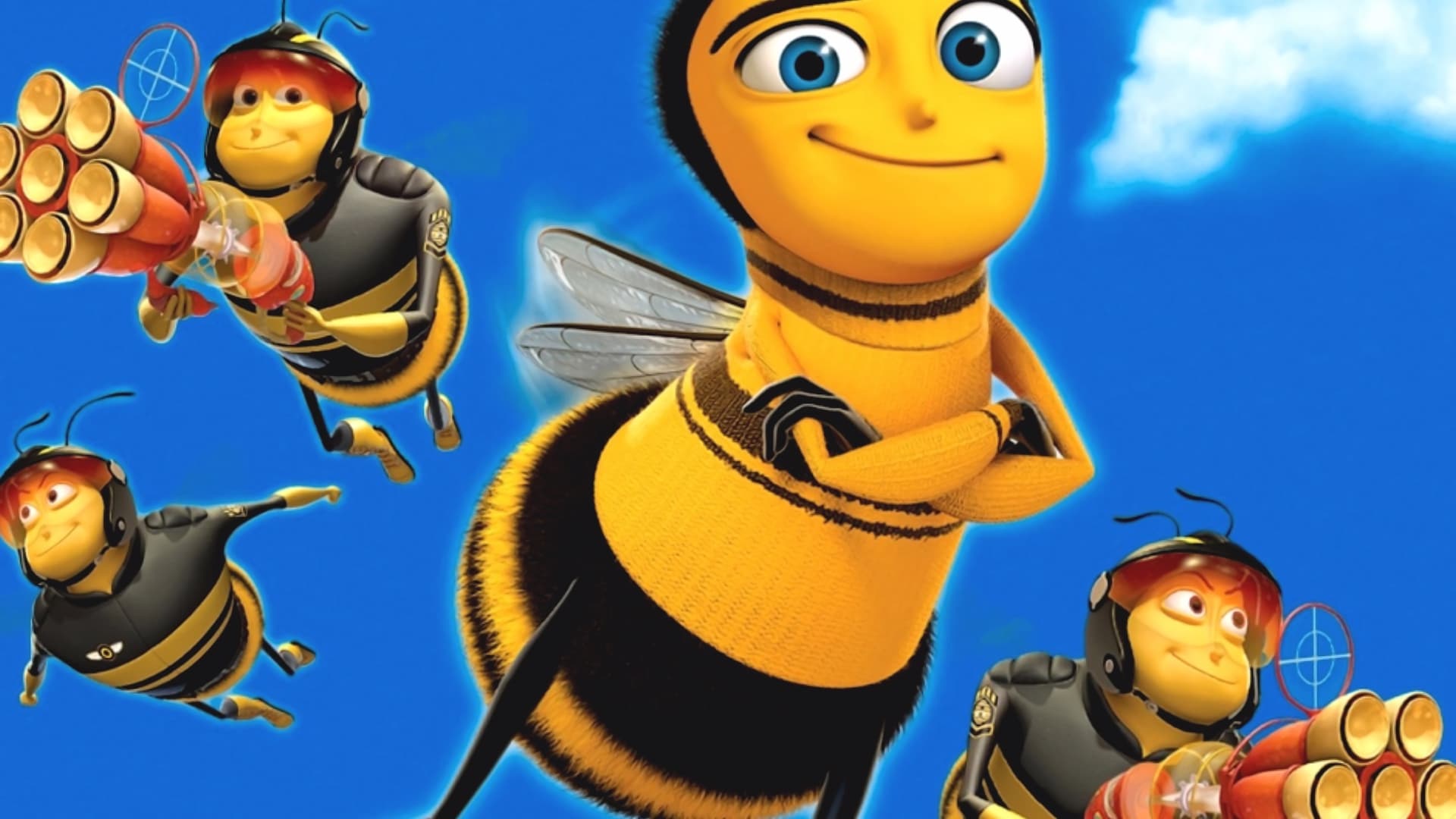
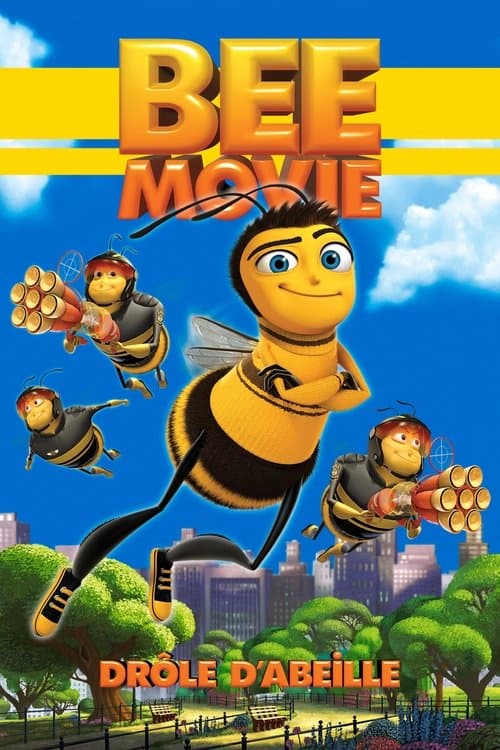
Bee Movie is a light and colourful animated comedy with an offbeat sense of humour, driven by a deliberately absurd tone. The plot follows Barry, a young bee who refuses to conform to the hive's predetermined destiny and becomes entangled in the human world in an adventure both unexpected and far-fetched. The film presents itself as a family comedy intended for children aged 6-7 and upwards, but contains several layers of references and humour that are aimed more at adults, creating a notable disconnect between the packaging and some of the content.
Sex and Nudity
The film contains an affective relationship between Barry, the bee protagonist, and Vanessa, a human woman, with romantic undertones pronounced enough to have prompted public regrets from Jerry Seinfeld himself. This relationship is never explicit, but it is treated with the codes of flirtation and romantic attraction, which creates genuine discomfort for many adult viewers. A few scenes play on light sexual innuendo, some of which appear deliberately inserted for the benefit of parents. For a child under 8 years old, these elements pass largely unnoticed, but for an older child or pre-adolescent, the relationship may prompt a conversation about the representation of attraction in fiction, even animated fiction.
Substances
The film multiplies references to substances in a surprisingly normalised manner for mainstream animation. A mosquito boasts of drinking moose blood as if it were an exotic and sought-after drug, a woman drinks wine on several occasions, a bee consumes a martini, and beekeepers are described as forcing bees to inhale smoke presented as nicotine addiction. None of these elements is truly condemned by the narrative: they are treated as humour or normality. For a child between 6 and 10 years old, these references may pass without meaning, but they merit being noted by parents who wish to monitor early representations of alcohol and drugs.
Underlying Values
The narrative structure strongly values individualism and rebellion against the collective: Barry refuses the work assigned by the hive, frees himself from the social rules of his community and ends up acting according to his own conviction, even at the cost of disrupting the natural order. The film explores the consequences of this individualism, including negative ones, which gives it a certain moral honesty. In parallel, it addresses work as a central value, through the lawsuit brought against the human honey industry, raising concrete questions about justice and collective ownership. The final message promotes a balance between self-assertion and responsibility towards the group, which constitutes a solid moral anchor to explore with the child.
Violence
Violence remains light overall but a few sequences are more intense than expected for the genre. Flying scenes in Manhattan expose Barry to repeated near-death accidents, an aeroplane is imagined crashing off a cliff with an explosion, and insects die in visible ways, including a mosquito crushed with visible remains and bees gassed in an apiary. One scene also shows characters held at gunpoint by armed men. These elements are treated in a light tone, but their accumulation may surprise particularly sensitive or younger children.
Social Themes
The film devotes a significant part of its narrative to a lawsuit brought against the beekeeping industry, directly addressing questions of labour law, animal exploitation and economic justice. This procedural storyline, although delivered with humour, is conceptually complex for children under 8. It does, however, offer a genuine educational opening for older children, who may discern real environmental issues regarding the role of bees in ecosystems and the relationship between humanity and nature.
Parental and Family Portrayals
Barry's parents are present and affectionate, but they embody precisely the conformity that the hero seeks to escape. His father pushes Barry towards integration within the hive system and does not understand his aspirations. The dynamic is treated with tenderness and without excessive caricature, and the film does not invalidate the parental figure. It nonetheless offers a useful point of discussion about the tension between family expectations and the desire for autonomy.
Strengths
The film deploys inventive absurdist humour, with gags built on multiple layers of reading that reward adults without excluding children. The procedural storyline around the lawsuit is original for animation of this type and introduces notions of justice and fairness that are accessible. The representation of how a hive functions, even if largely romanticised, can spark genuine curiosity in children about bee biology and their environmental role. The pacing is brisk and the colourful visuals hold attention without resorting to spectacle overkill.
Age recommendation and discussion points
The film is generally suitable from age 7-8 for supervised viewing, and can be watched comfortably from age 9-10 without major reservations. Two angles deserve to be addressed after viewing: why is Barry right to refuse the role imposed upon him, but also what consequences does his individualism entail for his entire community, and how can personal freedom and collective responsibility be reconciled? The lawsuit against the honey industry also offers a concrete entry point for discussing how humans use and sometimes exploit the natural world.
Synopsis
Barry B. Benson, a recent college graduate who wants more out of his life than making honey, decides to sue the human race after learning about the exploitation of bees at the hands of mankind. What will happen next?
About this title
- Format
- Feature film
- Year
- 2007
- Runtime
- 1h 30m
- Countries
- United States of America
- Original language
- EN
- Studios
- Columbus 81 Productions, DreamWorks Animation