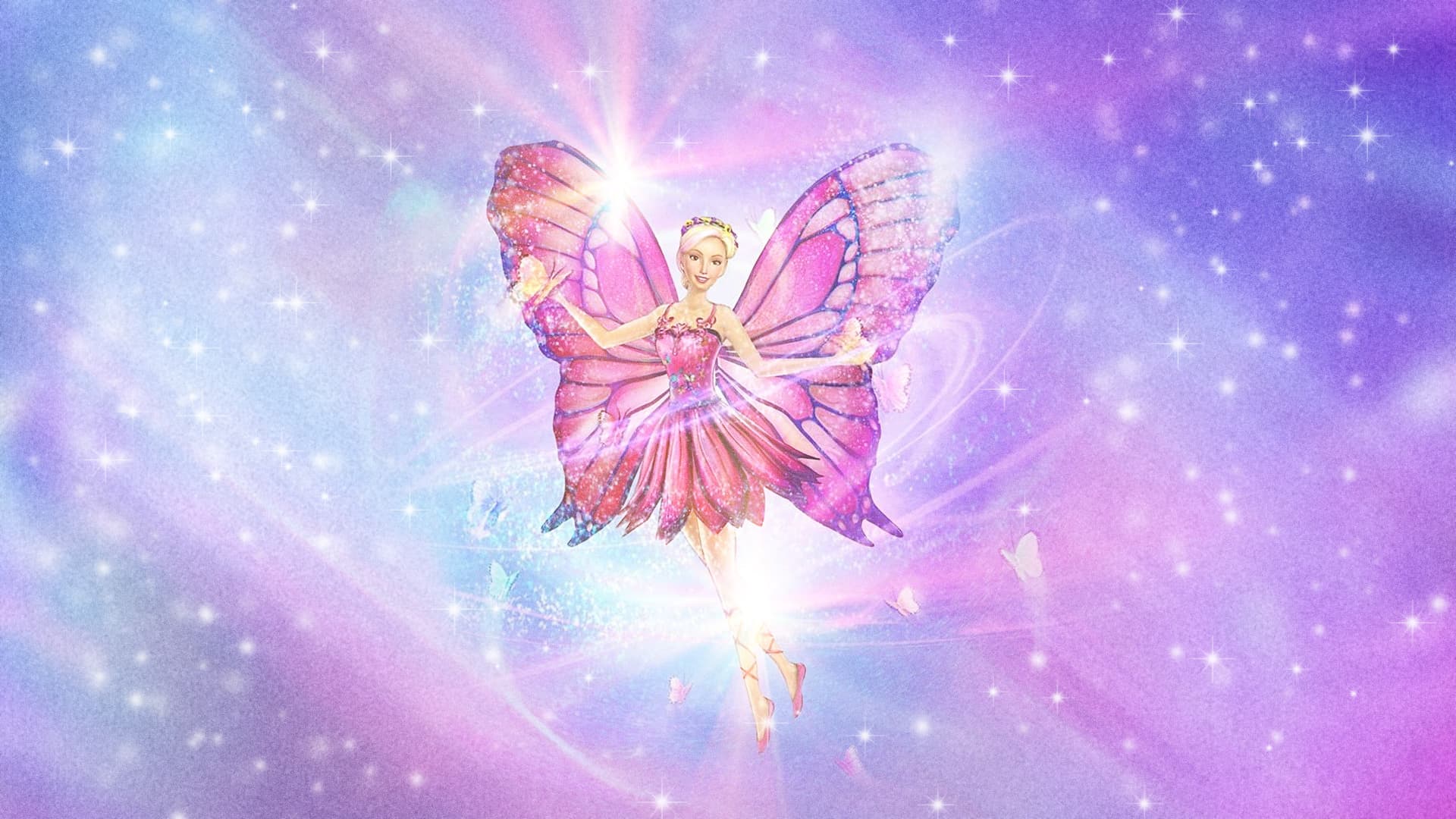
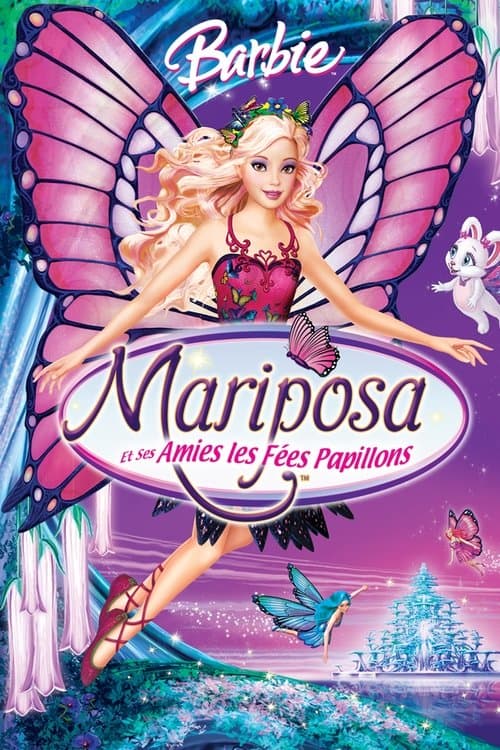
Barbie Mariposa
Does this age rating seem accurate to you?
Detailed parental analysis
Barbie Mariposa is a fantastical animated film with a colourful and bright atmosphere, intended primarily for young children. The plot follows Mariposa, an introverted butterfly-fairy with a passion for reading, who must embark on a perilous quest to save her poisoned queen. The film is clearly aimed at nursery and early primary school children, with an endearing heroine and an accessible adventure narrative, but some tense sequences may surprise the youngest viewers.
Violence
The Skeezites, flying creatures with fangs, pursue the fairies several times throughout the film and constitute the main source of tension. These chase sequences are repeated and presented with enough dynamism to be anxiety-inducing for children under 4 years old or those sensitive to monsters. The final battle concentrates maximum intensity: fairies use weapons to blind the creatures, and the villain Henna is devoured by the Skeezites she had herself used. This outcome, a mirror punishment of her actions, is not shown in a gory manner, but the death of a character ingested by monsters remains a powerful image for a very young child. The violence remains functional and clearly tied to a narrative purpose, never gratuitous nor aestheticised for its own sake.
Underlying Values
The film solidly constructs values of courage, friendship and altruism through Mariposa's journey. The heroine is introverted and prefers books to social life, which makes her an uncommon role model in this genre: knowledge and intellectual curiosity are presented as assets, not as flaws to be corrected. The narrative arc also values solidarity between characters beyond differences in personality, without forcing an overly explicit moral. However, the story structure remains highly binary in its treatment of evil, with the villain being punished expeditiously without real nuance.
Parental and Family Portrayals
The central authority figure is a maternal, loving and protective queen, whose poisoning constitutes the dramatic catalyst of the narrative. Parental figures are absent or obscured for secondary characters, which is typical in this kind of coming-of-age tale for children. The model presented remains one of a benevolent authority put in danger, triggering the heroine's action through loyalty and compassion rather than by order.
Strengths
The film offers an atypical heroine model in the universe of productions aimed at young girls: Mariposa is shy, loves to read and does not seek to be popular, and it is precisely this singularity that enables her to succeed where others fail. This simple but coherent narrative choice gives the film a genuine pedagogical backbone without the message ever being forced. The visual universe is inventive, with a world of butterfly-fairies in shimmering colours that feeds the imagination of young viewers. The pace is brisk and the quest well-structured for the intended age group.
Age recommendation and discussion points
The film is suitable from age 5 for most children, with a caveat for 4-year-olds and younger who are particularly sensitive to threatening creatures. Two concrete discussion points after viewing: ask the child why Mariposa succeeds where her more popular friends fail, and what they think of the ending reserved for Henna, to open an exchange about punishment, forgiveness and justice.
Synopsis
Elina, heroine of the Fairytopia films tells her friend Bibble the story of Flutterfield, a faraway kingdom populated by fairies with butterfly wings. Henna, the evil butterfly fairy has poisoned the queen of Flutterfield in an attempt to take over the kingdom.
About this title
- Format
- Feature film
- Year
- 2008
- Runtime
- 1h 15m
- Countries
- United States of America
- Original language
- EN
- Studios
- Mattel, Mainframe Entertainment, Lionsgate Home Entertainment
Content barometer
- Violence2/5Moderate
- Fear3/5Notable tension
- Sexuality0/5None
- Language0/5None
- Narrative complexity1/5Accessible
- Adult themes0/5None