Barbie as Rapunzel
Does this age rating seem accurate to you?
Detailed parental analysis
Barbie Princess Rapunzel is an animated fairy tale with a bright and warm atmosphere, tinged with slight dramatic tension around a villainous figure. The story follows Rapunzel, a young woman held prisoner in a tower by a jealous witch, who gradually discovers her true identity and finds the courage to free herself. The film is primarily aimed at young children, with a reassuring tone carried by endearing animal characters.
Underlying Values
The film builds its narrative around clearly affirmed values: the courage to follow one's own desires against oppressive authority, loyalty towards friends, and creativity as a means of self-expression. What distinguishes this tale from more traditional versions is the final resolution: Rapunzel chooses forgiveness rather than punishment, offering the villain a chance to start anew. This choice is narratively coherent and offers a powerful message about how to respond to injustice without reproducing violence. Rapunzel's autonomy is also emphasised throughout the narrative, as she frees herself through her own means rather than waiting to be rescued.
Parental and Family Portrayals
The central parental figure is Gothel, a guardian who has held Rapunzel captive for years under the guise of protection, lying to her about her origins. This relationship is clearly presented as abusive and manipulative, without moral ambiguity. The film does not normalise this dynamic: Rapunzel eventually recognises it and breaks free from it. Rapunzel's biological parents are absent from her life but represented positively. This is a good entry point for discussing with a child the difference between benevolent authority and authority that seeks to control.
Violence
Violence remains very restrained and without visible physical consequences. There are a few sword-fighting scenes without blood, use of magic that throws characters to the ground, and a scene where guards are tied up and gagged. These elements fit within the classic codes of the children's adventure tale and present no traumatic character. The presence of comic animal sidekicks helps to defuse tension in moments of peril.
Strengths
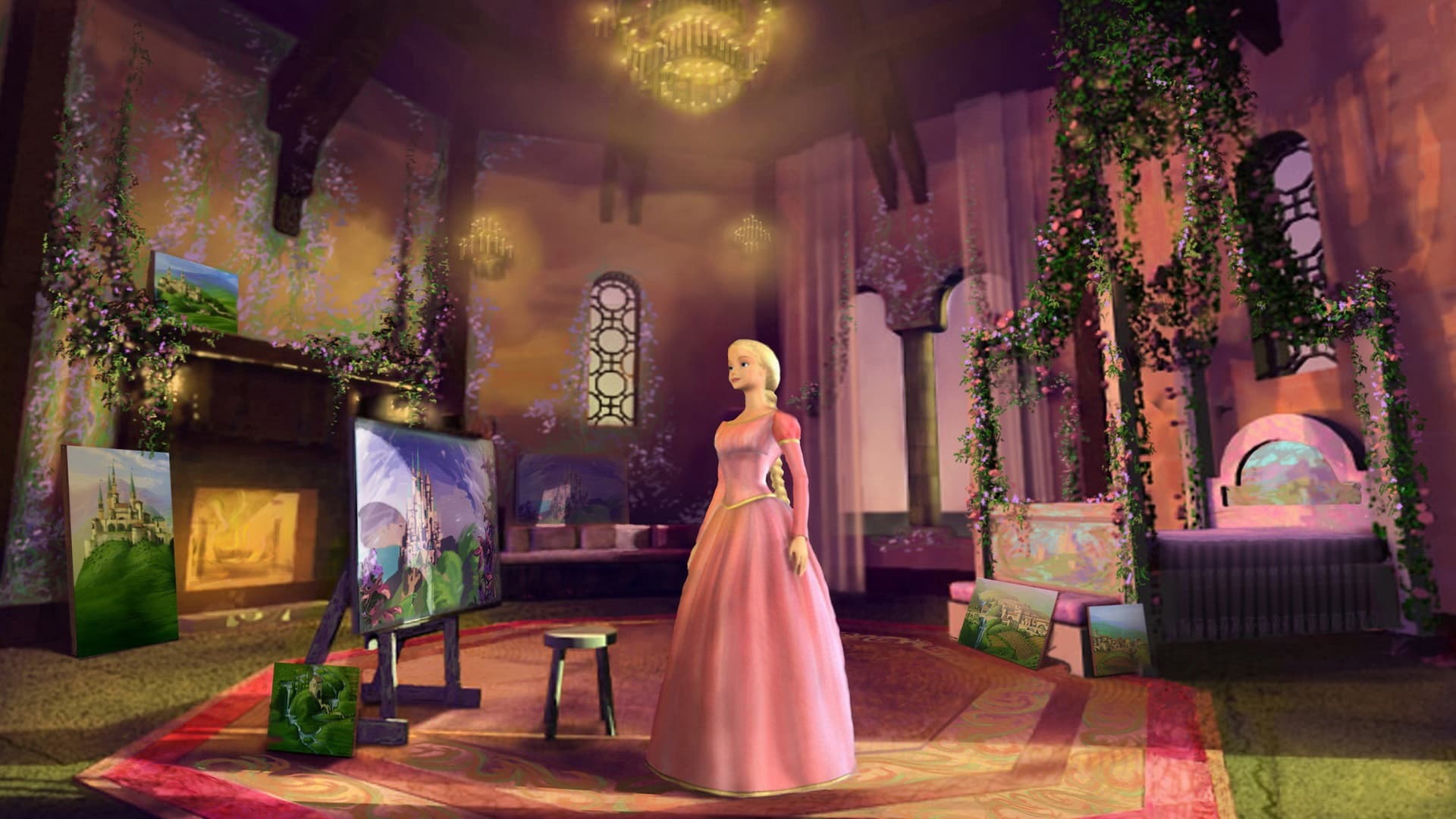
The film succeeds in modernising a classic tale by giving its heroine genuine narrative agency: Rapunzel paints, thinks, acts and frees herself. This feminist rewriting is naturally integrated into the narrative without being didactic. Painting as the thread running through Rapunzel's identity is an elegant idea that gives the film thematic coherence beyond mere entertainment. The pacing is well suited to a young audience, and the resolution through forgiveness rather than punishment offers a rare moral depth in this type of production.
Age recommendation and discussion points
The film is suitable from age 4 and can be watched with ease from that age onwards. Two angles of discussion are worth exploring after viewing: why does Rapunzel choose to forgive rather than punish, and what does this change about the ending of the story? And also: how does the fact that she saves herself, rather than the prince, alter the message of the traditional tale?
Synopsis
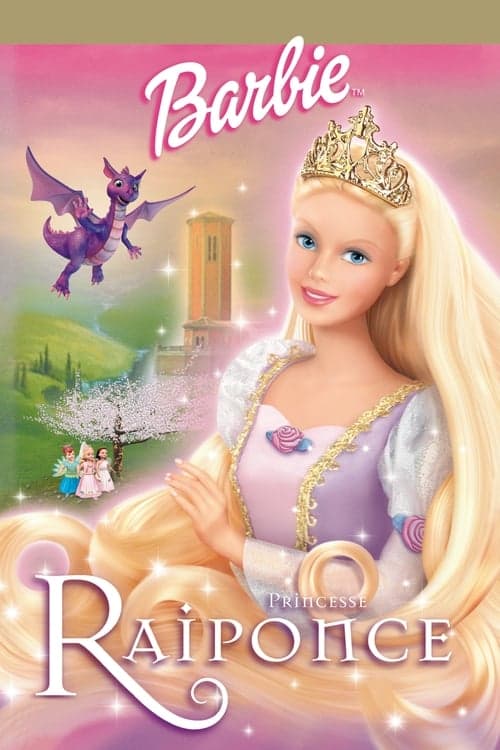
Barbie stars as Rapunzel, a young girl who is entrapped by a magical barrier by the wicked, Gothel. Rapunzel finds an escape where she finds a Prince and a feud between two kingdoms which goes back to the day she was kidnapped as a child.
About this title
- Format
- Feature film
- Year
- 2002
- Runtime
- 1h 24m
- Countries
- Canada
- Original language
- EN
- Studios
- Mainframe Entertainment
Content barometer
- Violence1/5Mild
- Fear1/5Mild
- Sexuality0/5None
- Language0/5None
- Narrative complexity1/5Accessible
- Adult themes0/5None
Watch-outs
- Abuse
Values conveyed
- Courage
- Friendship
- Autonomy
- Forgiveness
- creativity
- self confidence