
Azur & Asmar: The Princes' Quest
Azur & Asmar: The Princes' Quest
Your feedback improves this guide
Your feedback highlights guides that need a second look and keeps the rating trustworthy.
Does this age rating seem accurate to you?
Sign in to vote
Watch-outs
What this film brings
Content barometer
Violence
2/5
Moderate
Fear
2/5
A few scenes
Sexuality
1/5
Allusions
Language
0/5
None
Narrative complexity
1/5
Accessible
Adult themes
0/5
None
Expert review
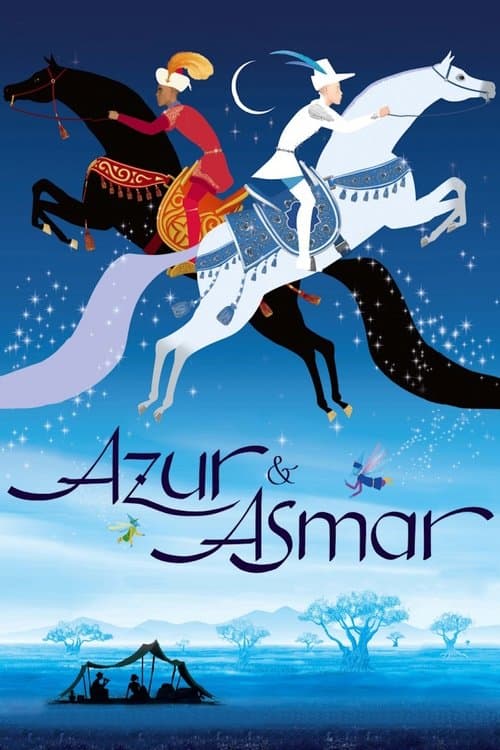
Azur and Asmar is an animated film by Michel Ocelot that immerses viewers in a visually stunning world inspired by One Thousand and One Nights, blending medieval Europe with the Arab world in a symbolically rich coming-of-age quest. The film deals with emotionally complex and mature themes, including the brutal separation of two milk brothers, social rejection, racism, class injustice, and lingering resentment between former companions. These elements appear from the very first scenes and form the dramatic heart of the story, alongside moments of tension involving fantastical creatures, perilous trials, and threatening characters encountered along the quest. Although the film remains a family animation without graphic violence or horror in the strict sense, its narrative and emotional density, as well as its themes of cultural identity, discrimination, and the complexity of human relationships, make it better suited for children aged at least 8, ideally accompanied by an adult who can help contextualise the reflections on racism, inequality, and reconciliation.
Synopsis
Raised on tales of a Djinn fairy princess, Azur, a young Frenchman goes to North Africa in search of the sprite, only to discover that his close childhood friend, Asmar, an Arab youth whose mother raised both boys also seeks the genie.
Difficult scenes
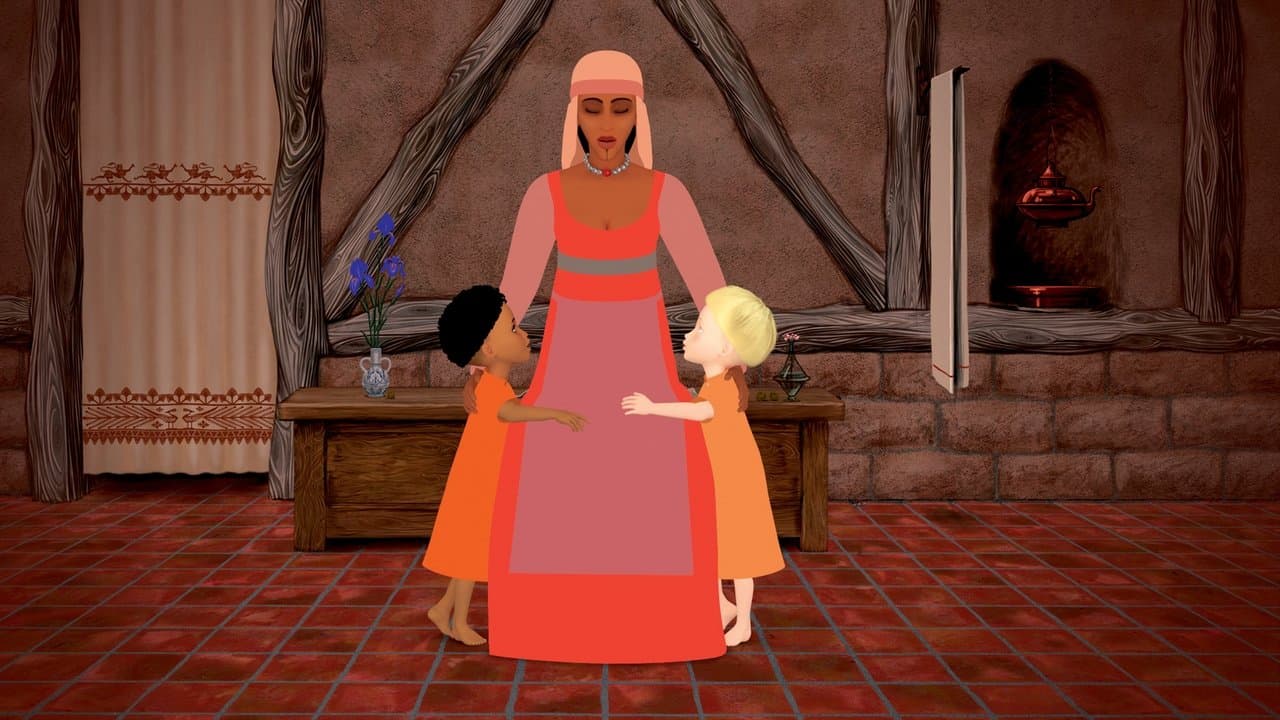
The separation of the two children is portrayed in a cruel and abrupt manner: Azur's father dismisses Jénane harshly, confiscates her belongings, and severs the bond between the two boys. This scene of injustice and abandonment may be emotionally difficult for young children who easily attach to maternal figures and the idea of unbreakable friendship. Azur arrives in the foreign city with his eyes closed, forced to hide his physical difference (his blue eyes) because the inhabitants flee from him with fear and hostility. This depiction of social rejection and discrimination based on appearance may require a conversation with parents to be properly understood by younger children. Several fantastical creatures and threatening guardians mark Azur's quest, including monsters and dangerous trials that create a supernatural tension. These sequences, though stylised and without graphic violence, may impress sensitive or very young children. Asmar's resentment toward Azur, built over years of humiliation and exclusion tied to Azur's father's behaviour, is treated with realism. This conflict between the two protagonists, former milk brothers now turned rivals, introduces an emotional and moral complexity that goes beyond the comprehension of very young viewers.
Where to watch
Availability checked on Apr 03, 2026
About this title
- Format
- Feature film
- Year
- 2006
- Runtime
- 1h 39m
- Countries
- Belgium, France, Italy, Spain
- Original language
- FR
- Directed by
- Michel Ocelot
- Main cast
- Cyril Mourali, Rayan Mahjoub, Karim M'Ribah, Abdelsselem ben Amar, Hiam Abbass, Patrick Timsit, Fatma ben Khell, Thissa d'Avila Bensalah, Sofia Boutella, Olivier Claverie
- Studios
- Nord-Ouest Films, Studio O, Mac Guff Ligne, France 3 Cinéma, Artémis Productions, Intuition Films, Lucky Red, Zahorí Media, Auvergne-Rhône-Alpes Cinéma
Content barometer
Violence
2/5
Moderate
Fear
2/5
A few scenes
Sexuality
1/5
Allusions
Language
0/5
None
Narrative complexity
1/5
Accessible
Adult themes
0/5
None
Expert review
Azur and Asmar is an animated film by Michel Ocelot that immerses viewers in a visually stunning world inspired by One Thousand and One Nights, blending medieval Europe with the Arab world in a symbolically rich coming-of-age quest. The film deals with emotionally complex and mature themes, including the brutal separation of two milk brothers, social rejection, racism, class injustice, and lingering resentment between former companions. These elements appear from the very first scenes and form the dramatic heart of the story, alongside moments of tension involving fantastical creatures, perilous trials, and threatening characters encountered along the quest. Although the film remains a family animation without graphic violence or horror in the strict sense, its narrative and emotional density, as well as its themes of cultural identity, discrimination, and the complexity of human relationships, make it better suited for children aged at least 8, ideally accompanied by an adult who can help contextualise the reflections on racism, inequality, and reconciliation.
Synopsis
Raised on tales of a Djinn fairy princess, Azur, a young Frenchman goes to North Africa in search of the sprite, only to discover that his close childhood friend, Asmar, an Arab youth whose mother raised both boys also seeks the genie.
Difficult scenes
The separation of the two children is portrayed in a cruel and abrupt manner: Azur's father dismisses Jénane harshly, confiscates her belongings, and severs the bond between the two boys. This scene of injustice and abandonment may be emotionally difficult for young children who easily attach to maternal figures and the idea of unbreakable friendship. Azur arrives in the foreign city with his eyes closed, forced to hide his physical difference (his blue eyes) because the inhabitants flee from him with fear and hostility. This depiction of social rejection and discrimination based on appearance may require a conversation with parents to be properly understood by younger children. Several fantastical creatures and threatening guardians mark Azur's quest, including monsters and dangerous trials that create a supernatural tension. These sequences, though stylised and without graphic violence, may impress sensitive or very young children. Asmar's resentment toward Azur, built over years of humiliation and exclusion tied to Azur's father's behaviour, is treated with realism. This conflict between the two protagonists, former milk brothers now turned rivals, introduces an emotional and moral complexity that goes beyond the comprehension of very young viewers.