Aztec Batman: Clash of Empires
Does this age rating seem accurate to you?
Detailed parental analysis
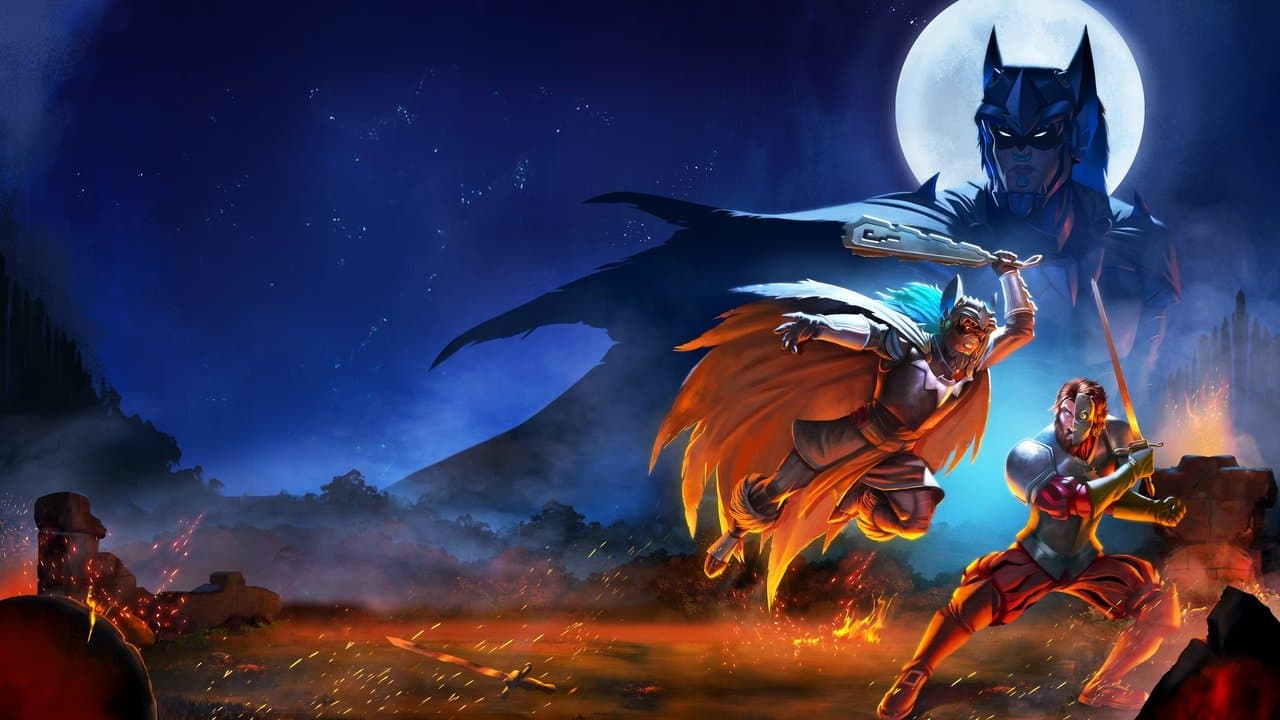
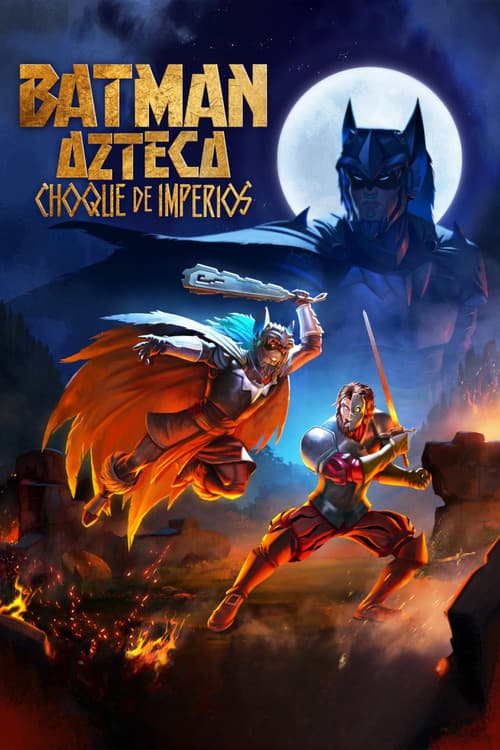
Batman Azteca: Clash of Empires is an action animation film with a dark and epic atmosphere, anchored in the period of Spanish conquest of Mexico in the 16th century. The plot follows a young Aztec warrior who assumes the mantle of the Dark Knight to defend his people against the colonial invader. The film is clearly aimed at teenagers and adults, with no ambition whatsoever to appeal to a general family audience.
Violence
Violence is the most prominent and determining element for assessing the film's accessibility. It is frequent, animated with precision, and includes sword strikes, decapitations, deaths by gunfire and cannonballs, as well as visible corpses throughout the narrative. This violence is not gratuitous in the strict sense: it serves to represent the historical horror of the conquest, particularly in episodes such as the Massacre of Cholula, and to justify the protagonist's transformation. It remains nonetheless intense and sustained, without notable respite. For a sensitive or younger teenager, the frequency and realism of these sequences constitute a genuine obstacle, regardless of their narrative relevance.
Underlying Values
The film explicitly constructs a tension between personal vengeance and collective engagement. The protagonist begins by seeking to avenge his family, before learning that this individual driver is insufficient and potentially destructive. The narrative ultimately upholds compassion, courage and responsibility towards one's community as the foundations of heroism. These values are conveyed with clarity and without excessive ambiguity, making it a useful film for discussing the difference between justice and retaliation. Resistance to colonial oppression is presented as morally legitimate, without nuance for the conquerors' side, which fuels genuine debate about how the film treats history.
Social Themes
The film embodies a frankly political reading of Spanish conquest of the Americas: colonial domination, cultural destruction, massacre of civilian populations. The reconstruction of Aztec culture and its warrior, religious and social codes gives the film genuine educational value, particularly for events rarely represented on screen. The debate raised by the film regarding the figure of the Spanish empire is legitimate to mention in a family context: the film adopts a clear point of view, which is consistent with its narrative stance, but which deserves to be placed within historical complexity for a curious teenager.
Discrimination
The Spanish are depicted uniformly negatively, as a brutal conquering bloc without any identifiable nuanced character. This narrative construction responds to a logic of resistance storytelling, but it produces a Manichaean image of colonial otherness. This is not stereotyping in the conventional sense, but rather a historical reduction sufficiently marked to warrant discussion: any history seen from only one side says something, and this narrative choice also says something about how we tell the story of conquest today.
Sex and Nudity
Traditional Aztec dress implies male and female characters who are bare-chested or partially unclothed, with visible midriffs and legs. There is no explicit sexual connotation in these representations, which stem from cultural and historical authenticity rather than erotic intent.
Language
The language includes a few mild expressions such as 'hell', 'cursed' or religious invocations outside a devotional context. This is a minor level of language, without notable profanity or repeated insults.
Strengths
The film offers an original and ambitious transposition of a superhero myth into a cultural context rarely treated on screen, with visible attention to the reconstruction of Aztec aesthetics and social codes. The figure of the Joker reimagined as a ritual and self-destructive character, coupled with nightmarish sequences featuring demonic imagery, gives the film genuine atmospheric density. The treatment of the hero's journey, from vengeance towards collective responsibility, is clearly constructed and avoids the pitfall of pure Manichaeism on the protagonist's side. Its educational value for a teenager interested in pre-Columbian history or the conquest of the Americas is substantial, particularly for episodes such as the Massacre of Cholula, which are virtually absent from mainstream cinema.
Age recommendation and discussion points
The film is not suitable for children under 13 due to repeated animated violence and nightmarish sequences with demonic imagery. For a teenager aged 14 and above, it constitutes a relevant viewing experience, provided it is accompanied and discussed. Two worthwhile angles of discussion after the film: why the hero renounces vengeance and what it concretely means to 'fight for others rather than for oneself', and to what extent a film can tell history in a partial way whilst still saying something true about injustice.
Synopsis
In the time of the Aztec empire, tragedy strikes Yohualli Coatl when his father is murdered by Spanish conquistadors. To warn King Moctezuma and his high priest, Yoka, of imminent danger, Yohualli escapes to Tenochtitlán. There, he trains in the temple of the bat god Tzinacan with his mentor, developing equipment and weaponry to confront the Spanish invasion and avenge his father’s death. Along the way, he encounters key figures like the fierce Jaguar Woman and the conquistador Hernán Cortés.
About this title
- Format
- Feature film
- Year
- 2025
- Runtime
- 1h 30m
- Countries
- United States of America, Mexico
- Original language
- ES
- Directed by
- Juan Jose Meza-Leon
- Main cast
- Horacio García Rojas, Álvaro Morte, Omar Chaparro, Humberto Busto, Jorge R. Gutierrez, Jesús Guzmán, José Carlos Illanes, Maya Zapata, Teresa Ruiz, Nacho Ladislao
- Studios
- Warner Bros. Animation, Ánima Estudios, Chatrone, Particular Crowd, DC
Content barometer
- Violence4/5Strong
- Fear3/5Notable tension
- Sexuality1/5Allusions
- Language1/5Mild
- Narrative complexity1/5Accessible
- Adult themes0/5None
Watch-outs
- Death
- Violence
Values conveyed
- Courage
- Compassion
- revenge transcended by collective protection
- courage in the face of oppression
- cultural heritage and pride in one's origins
- sacrifice and loyalty
- resistance against injustice