
Autumn and the Black Jaguar
Does this age rating seem accurate to you?
Detailed parental analysis
The Last Jaguar is a family adventure film with a tense yet luminous atmosphere, carried by the beauty of the Amazon rainforest and the urgency of a rescue mission. A teenage girl ventures into the heart of the jungle to find the jaguar she has raised, threatened by animal traffickers. The film is primarily aimed at children aged 6 to 12, although adults accompanying them will find less to engage them.
Social Themes
The protection of the Amazon rainforest and the denunciation of wildlife trafficking form the thematic heart of the film. The ecological message is omnipresent and clearly embraced: nature has intrinsic value, traffickers are unambiguous antagonists, and individual commitment can make a difference. This framework offers a concrete and emotionally accessible entry point for discussing biodiversity, poaching and environmental responsibility with a child. The film does not nuance the economic or social issues that fuel this trafficking, which simplifies the picture but preserves the clarity of the message for the intended young audience.
Violence
The film contains scenes of poaching with gunfire directed at the main characters, as well as several sequences of danger involving wild animals, including a python in the water, a giant tarantula and an adult jaguar posing a threat. The violence remains within the codes of family adventure cinema: it is functional, never graphic, and serves to maintain dramatic tension. The murder of the heroine's mother by traffickers is mentioned early in the film, which constitutes the most emotionally heavy moment. For sensitive or very young children, these sequences may generate genuine fear, even though they are treated without visual gratification.
Parental and Family Portrayals
The father-daughter relationship occupies a structuring place in the narrative. The father is presented as a distant or failing figure with whom the heroine must reconcile as the adventure unfolds. This reconciliation scheme is treated with a certain emotional sincerity and constitutes one of the most accessible arcs for discussion after viewing. The mother, absent because she has been murdered, weighs on the heroine's psychology without the film really developing this grief in depth.
Underlying Values
The film values the courage of a teenage girl acting alone in the face of adversity, the deep emotional bond between human and animal, and perseverance as a driver of action. These values are conveyed with consistency. On the other hand, the film implicitly normalises the idea that a strong affective bond with a large wild cat justifies physical proximity that nothing should encourage in reality. This point deserves to be discussed with the child: loving a wild animal does not mean it is domesticated, and the boundary between affection and real danger is deliberately blurred by the narrative here.
Language
The film contains a few instances of vulgar language, notably terms such as 'putain', 'merde' or 'sans déconner'. The presence is occasional and not systematic, without these expressions being valued or carried by role model characters. This is worth flagging for parents who are sensitive to it, but it remains marginal in the overall economy of the film.
Strengths
The film draws real strength from the visual beauty of the Amazon rainforest and the natural charisma of the jaguar, which captures the attention of young viewers with undeniable effectiveness. The teenage heroine offers a model of determined female action, without this being underlined in a didactic way. The theme of animal trafficking is treated with sufficient clarity to open a serious conversation with a child about wildlife protection. On a narrative level, the film remains conventional and its screenplay lacks rigour, which adults feel distinctly, but the emotional effectiveness with the child audience is real.
Age recommendation and discussion points
The film is suitable from age 7 onwards, with parental accompaniment for younger children due to scenes of tension and the mention of the mother's murder. Two angles of discussion are worth pursuing after viewing: ask the child why a wild jaguar cannot really be a friend as in the film, and what each person can concretely do to protect wild animals and their habitat.
Synopsis
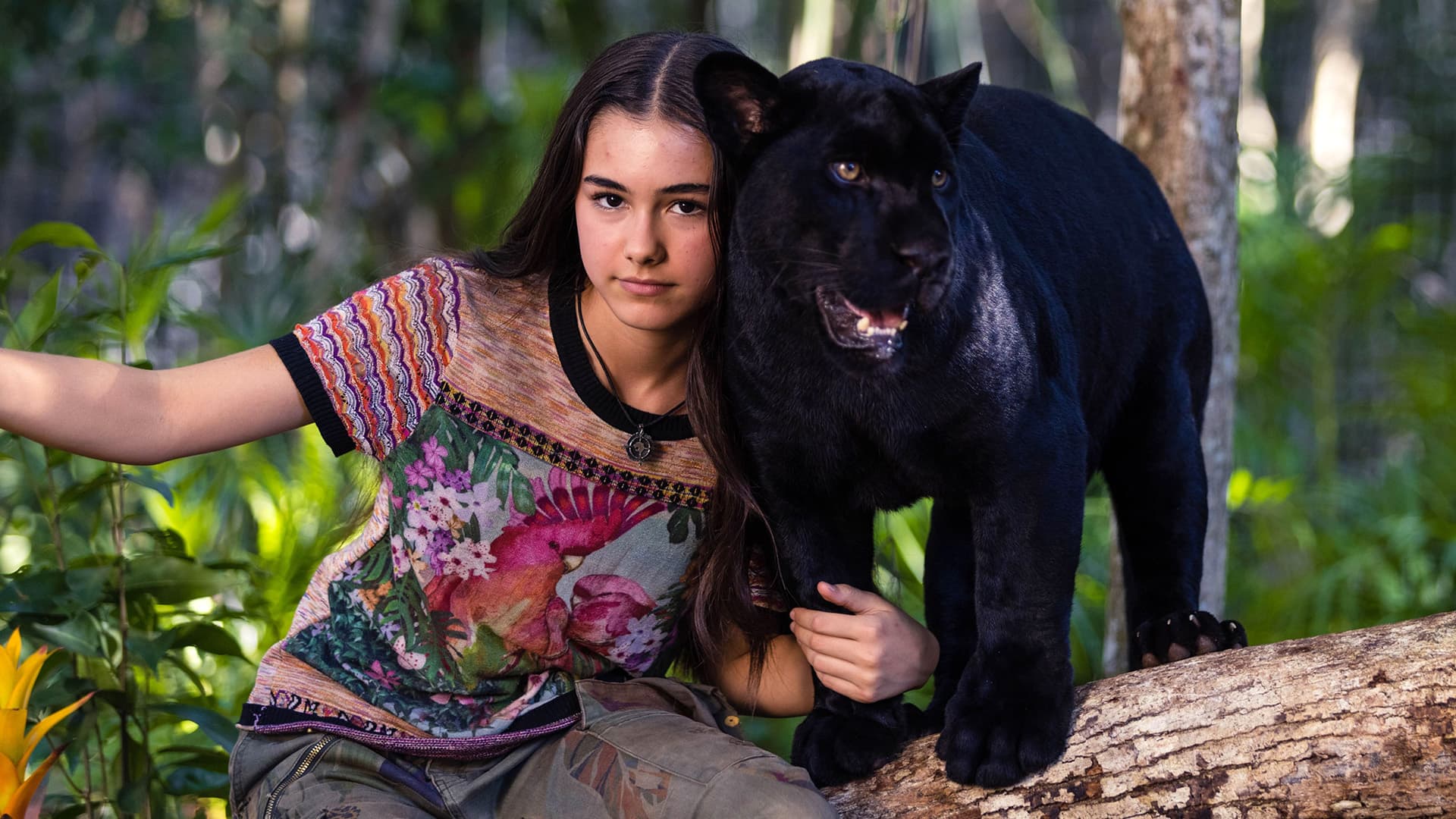
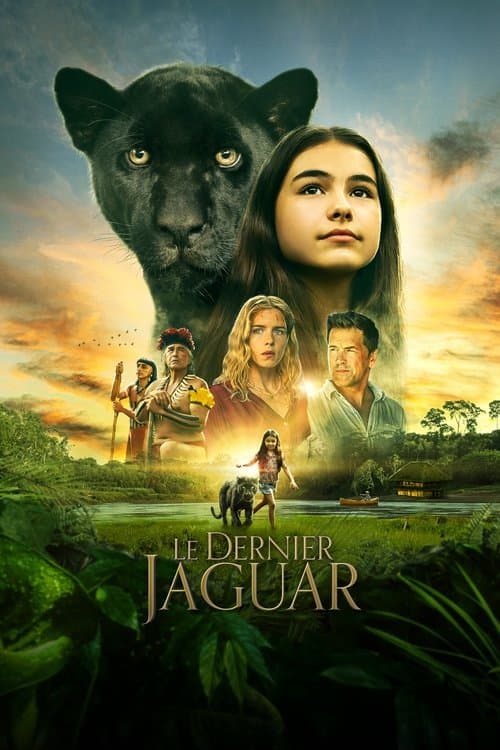
Growing up in the Amazon rainforest gave Autumn the rarest of friendships – a lost jaguar cub she named Hope. When a tragic event forces her to leave Hope for New York City, she dreams of going back to the rainforest and her friend. That opportunity soon comes when Autumn decides to return to the Amazon to save her beloved jaguar from animal traffickers who threaten her childhood village.
About this title
- Format
- Feature film
- Year
- 2024
- Runtime
- 1h 40m
- Countries
- France
- Original language
- FR
- Directed by
- Gilles de Maistre
- Main cast
- Lumi Pollack, Emily Bett Rickards, Wayne Charles Baker, Paul Greene, Kelly Hope Taylor, Lucrezia Pini, Letitia Brookes, K.C. Coombs, Airam Camacho, Amanda Ip
- Studios
- Mai Juin Productions
Content barometer
- Violence2/5Moderate
- Fear3/5Notable tension
- Sexuality0/5None
- Language1/5Mild
- Narrative complexity2/5Moderate
- Adult themes0/5None
Values conveyed
- Courage
- Friendship
- Perseverance
- Loyalty
- animal protection