
Asterix & Obelix: The Middle Kingdom
Does this age rating seem accurate to you?
Detailed parental analysis
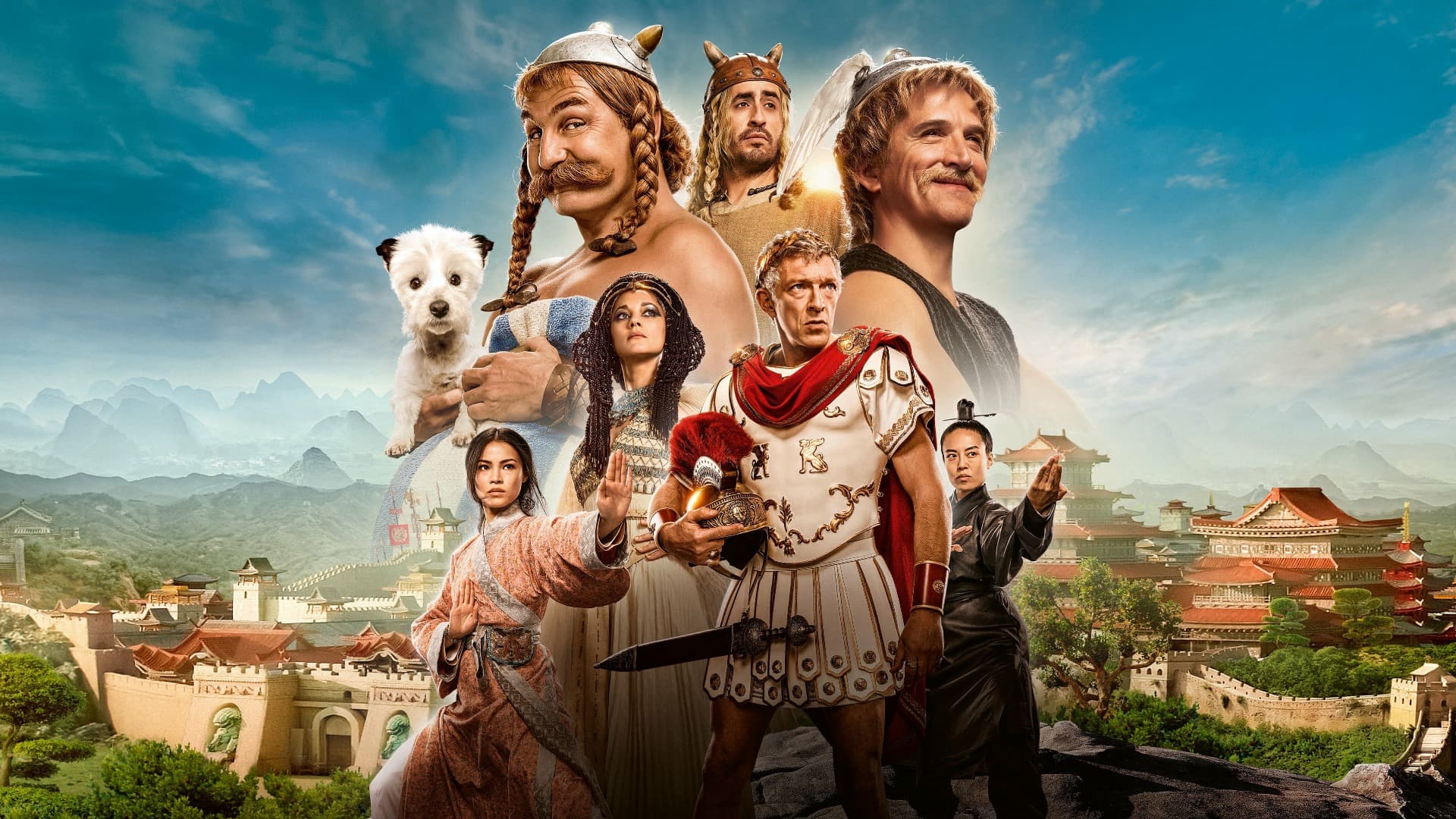
Asterix & Obelix: The Middle Kingdom is a family adventure comedy with an intentionally burlesque and spectacular tone, faithful to the parodic spirit of the original comic book. The plot sends the Gallic duo to China to rescue a princess and her threatened empire, crossing paths with Caesar and Cleopatra along the way in a lighthearted historical farce. The film aims at a broad family audience, but leans more towards children from 9-10 years old onwards and adults nostalgic for the franchise.
Violence
Violence is omnipresent but treated in a comic and cartoonish manner, consistent with Asterix tradition. Collective brawls between Gauls and Roman legions are repeated, rhythmic and visually effective, with spectacular blows and clearly visible impacts. Broader war scenes show armies clashing, soldiers riddled with arrows and buildings in flames, which at times gives the film a weightier tone than in the comic albums. The violence is not gory and remains largely downplayed by the comic register, but its frequency and narrative centrality make it the primary engine of entertainment. It is worth noting with a child that conflicts are systematically resolved through physical force, at the expense of any alternative.
Underlying Values
The narrative values friendship and solidarity as drivers of heroic action, which is a positive message and consistent with the original universe. Conversely, physical strength is structurally presented as the main personal and social asset: it is through fists that problems are solved and respect is earned. This logic of the strongest is never questioned in the narrative. Cleopatra's infidelity, treated in the light mode of a romantic mishap, is shown without real moral stakes, which may warrant a brief explanation depending on the child's age.
Discrimination
The portrayal of Chinese culture attracts the most serious criticism against the film. The representations rely on a register of outdated visual and cultural stereotypes, which the narrative neither questions nor transcends: costumes, attitudes and dialogue belong to surface exoticism rather than an informed perspective. It is not a central subject of the film, but the recurrence of these codes makes it a concrete opportunity to explain to a child the difference between homage, caricature and cultural reduction. Furthermore, female characters are frequently defined by their physical appearance, and male seduction or flirtation behaviours are presented as self-evident. A character presented as physically unattractive finds love, which opens a welcome nuance, but it remains secondary in a work that largely values appearance.
Sex and Nudity
The film contains neither nudity nor explicit sexual scenes, but multiplies innuendos and allusions with sexual connotations, including a character who openly expresses his desire to sleep with the empress. These elements are treated in the mode of adult humour slipped into a family comedy, following a well-established tradition within the franchise. For children under 10, these allusions will often go unnoticed; for older children, they can fuel a conversation about respect and the way desire is evoked.
Social Themes
The film takes place in a fantastical historical setting where the Roman Empire plays the role of dominant power and imperial China that of a threatened civilisation. War is present as a constant backdrop, treated lightly, but scenes of cities in flames and retreating armies give a visual scale that is no longer quite that of animation for young children. The political argument remains purely parodic and claims no depth.
Strengths
The film fully embraces its nature as popular entertainment and succeeds in terms of energy and pace: action sequences are clear, generous and deliberately excessive in the vein of the comic book. The staging of imperial China offers visually ambitious settings that can spark children's curiosity about this civilisation, provided the parent supplements it with some context. The film perpetuates a French cultural universe rooted in the collective memory of several generations, which gives it genuine intergenerational transmission value. The humour, often operating at a gap between what children understand and what adults perceive, maintains a dual level of reading faithful to the Goscinny spirit, even if the writing does not attain the subtlety of the albums.
Age recommendation and discussion points
The film is suitable from 9 to 10 years old, with parental support for younger children in this age range. Two discussion angles merit being opened after viewing: firstly, why are all problems systematically resolved through fighting, and are there other forms of courage besides physical strength; secondly, how does the film represent China and its inhabitants, and how does this differ from what we actually know about this culture.
Synopsis
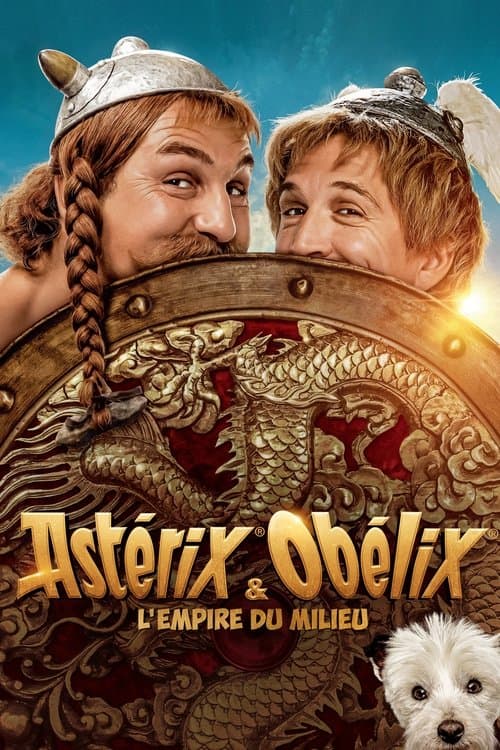
Gallic heroes and forever friends Asterix and Obelix journey to China to help Princess Sa See save the Empress and her land from a nefarious prince.
Where to watch
Availability checked on Apr 03, 2026
About this title
- Format
- Feature film
- Year
- 2023
- Runtime
- 1h 52m
- Countries
- France, Belgium
- Original language
- FR
- Directed by
- Guillaume Canet
- Main cast
- Guillaume Canet, Gilles Lellouche, Vincent Cassel, Jonathan Cohen, Julie Chen, Leanna Chea, Marion Cotillard, José Garcia, Zlatan Ibrahimović, Manu Payet
- Studios
- Les Éditions Albert René, Les Enfants Terribles, Pathé, Trésor Films, Artémis Productions, White and Yellow Films, TF1 Films Production
Content barometer
- Violence3/5Notable
- Fear2/5A few scenes
- Sexuality2/5Mild
- Language1/5Mild
- Narrative complexity2/5Moderate
- Adult themes0/5None
Watch-outs
- Ethnic or racial stereotypes
- Gender stereotypes
- Violence
- Sexuality
Values conveyed
- Courage
- Friendship
- Loyalty
- solidarity
- adventure
- cultural diversity