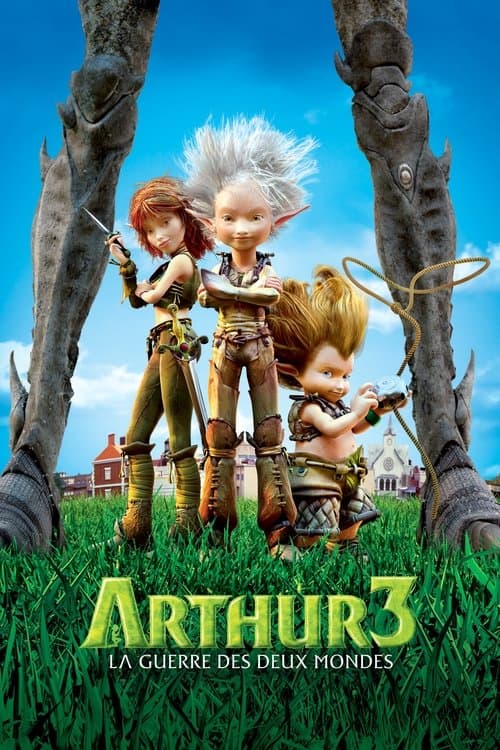
Arthur 3: The War of the Two Worlds
Arthur 3: la guerre des deux mondes
Does this age rating seem accurate to you?
Detailed parental analysis
Arthur 3: The War of the Two Worlds is a fantasy adventure film with a tense and spectacular atmosphere, blending animation and live-action in a darker register than its predecessors. The plot follows Arthur, trapped in the world of the Minimoys, who must confront the formidable Maltazard before he devastates the human world. The film is aimed primarily at children from 8 years old, with action and threat sequences intense enough to discourage viewing by younger audiences.
Violence
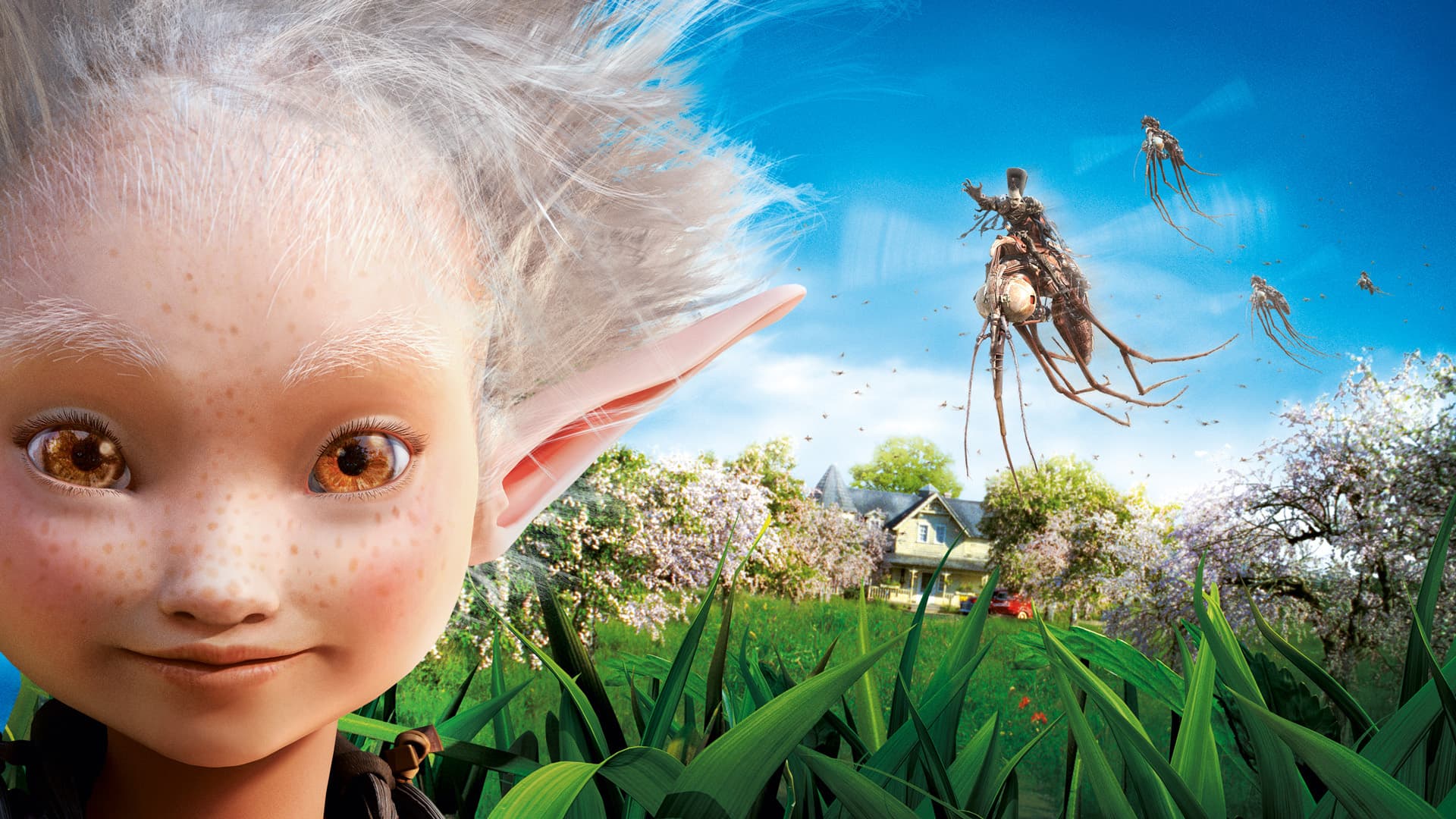
Violence is the driving force of the third act and reaches a notable intensity for a film intended for children. Maltazard, grown to giant size in the human world, unleashes an attack of giant mosquitoes that causes accidents, explosions and large-scale urban panic. He directly threatens Arthur, his own son Darkos and the grandfather with a sword, with no ambiguity about his intention to kill. The scene in which he tears off his magician's false face whilst screaming constitutes a peak of visual tension that can leave a lasting mark on sensitive children. These elements are narratively justified by the logic of the final conflict, but their accumulation over a short timeframe makes them taxing for those under 8 years old.
Parental and Family Portrayals
Arthur's parents are portrayed as overwhelmed, naive and largely disconnected from the reality of their son's life, which makes them comic but also somewhat condescending in their treatment. The film acknowledges this shortcoming, however, and offers them an arc of progression: they attempt to be more present and attentive. The narrative emphasises the value of an attentive father and mutual trust within the family, which gives this portrayal a constructive rather than cynical purpose. It is a good starting point for discussing with a child what they expect from their parents and what it truly means to be present.
Underlying Values
The film carries several solid structural values. The redemption of Darkos, Maltazard's son, is particularly well constructed: it is the attention and friendship received from the Minimoys that makes him change sides, not constraint or punishment. This message about the power of affection as a lever for transformation is rare and deserves to be highlighted with a child. The narrative also affirms that every living being has a role in the chain of life, illustrated concretely through the protection of beehives. Arthur himself embodies a calm courage, without aggression or panic, making him a model of a measured hero rather than an all-powerful one.
Social Themes
The film addresses the ecological question discreetly but genuinely through respect for living things and the interdependence of species. The destruction of nature by Maltazard functions as a readable metaphor for children of human impact on ecosystems. It is not a campaigning message, but it is sufficiently rooted in the narrative to open a natural conversation about biodiversity and environmental respect.
Strengths
The film succeeds in maintaining coherent dramatic tension throughout its third act, which is a genuine challenge for the conclusion of a trilogy aimed at a young audience. Darkos's arc of redemption is written with a sincerity that goes beyond a simple plot reversal: it concretely illustrates that violence and betrayal can have their roots in a lack of love, and that affection can be enough to undo them. The character of Arthur, calm and determined without ever resorting to brutality, offers an uncommon model of hero in the genre. These narrative qualities make it a film well suited to post-viewing discussion with an inquisitive child.
Age recommendation and discussion points
The film is suitable from 8 years old, with particular vigilance for children sensitive to scenes of intense threat and characters with monstrous appearance. Two angles of discussion are worth exploring after viewing: why does Darkos change sides, and what does this tell us about what people need in order to become better? And also: why does the film insist on the protection of bees and nests, and what does this mean in real life?
Synopsis
With Maltazard now seven feet tall and Arthur still two inches small, our hero must find a way to grow back to his normal size and stop the Evil M once and for all, with the help of Selenia and Betameche.
Where to watch
Availability checked on Apr 29, 2026
About this title
- Format
- Feature film
- Year
- 2010
- Runtime
- 1h 43m
- Countries
- France
- Original language
- FR
- Directed by
- Luc Besson
- Main cast
- Freddie Highmore, Mia Farrow, Robert Stanton, Penny Balfour, David Gasman, Antony Hickling, Dashiell Eaves, Joseph Rezwin, Cooper Daniels, Ron Crawford
- Studios
- EuropaCorp, Apipoulaï Prod, Avalanche Productions
Content barometer
- Violence3/5Notable
- Fear3/5Notable tension
- Sexuality0/5None
- Language0/5None
- Narrative complexity2/5Moderate
- Adult themes0/5None
Watch-outs
Values conveyed
- Courage
- Acceptance of difference
- Perseverance
- Compassion
- Forgiveness
- friendship
- family solidarity
- redemption
- good versus evil