Arcane
Does this age rating seem accurate to you?
Detailed parental analysis
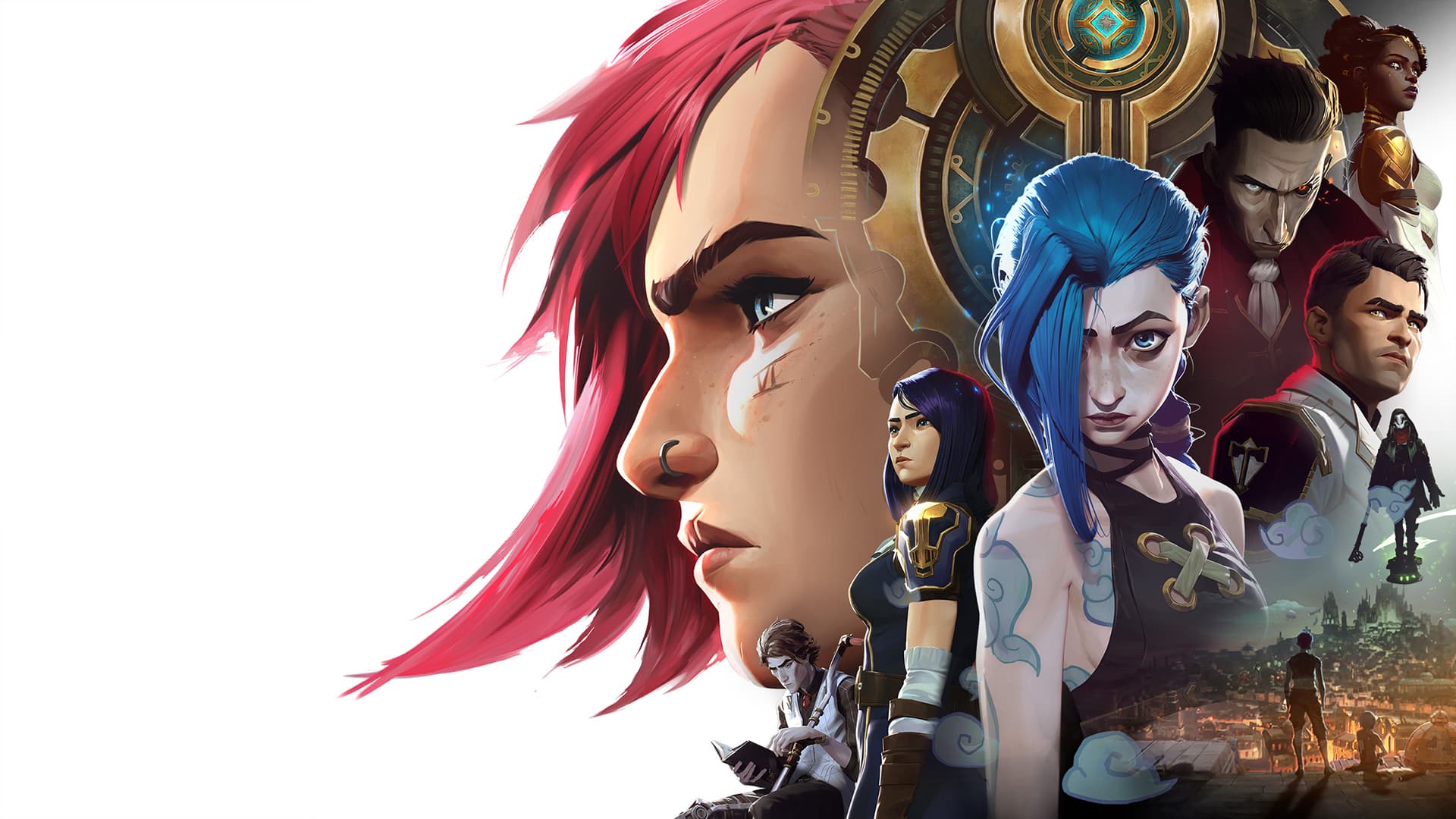
Arcane is a dark and emotionally dense animated series, driven by powerful visual aesthetics and a deliberately adult tone. The plot follows two sisters separated by the social fractures of a city divided between a prosperous metropolis and its oppressed underbelly, against a backdrop of political tensions and uncontrollable magical technologies. The series is aimed first and foremost at a teenage and adult audience, and represents a notable entry point into the League of Legends video game universe for teenagers who are already familiar with it.
Violence
Violence is one of the most striking aspects of the series and far exceeds the usual conventions of animation. The fights are brutal, frequent and visually detailed: punches with visible blood, violent hand-to-hand combat, deadly armed exchanges. The series goes further with scenes of decapitation, dismemberment and, particularly striking, the death of children shown on screen with visible blood. This violence is not gratuitous in the strict sense: it serves a tragic narrative about the destruction of innocence and the consequences of inequality. But its intensity is real and sustained, and it remains profoundly distressing for a young audience.
Parental and Family Portrayals
Parental and family figures occupy a central place in the narrative and are systematically failing, absent or overwhelmed. The children in the story grow up under the care of substitute figures who love them genuinely but fail to protect them. The sibling bond between the two protagonists forms the emotional heart of the series, but it fractures progressively under the weight of trauma and abandonment. The series offers a clear-eyed and painful portrait of the intergenerational transmission of violence and deprivation, without easy resolution.
Underlying Values
Arcane constructs a strong structural argument about class injustice: on one side an elite that prospers through technology it controls, on the other a impoverished population relegated to the shadows and reduced to survival. This imbalance is presented as the primary driver of conflict, including the most intimate ones. The series also questions the ethical limits of technological progress, showing that power without responsibility leads to destruction. Revenge runs through several narrative arcs as an understandable but always destructive temptation, making it a relevant point of discussion with a teenager.
Substances
The consumption of alcohol and tobacco is present in the context of bar scenes and the atmosphere of the underbelly, without being glorified but without being condemned either. More central is the portrayal of a fictional substance called 'Shimmer', an addictive product with amplifying effects that progressively destroys its users. The series treats addiction with a certain narrative honesty by showing the appeal, the escalation and the degradation, without romanticising the use. For a teenager, the parallel with real drugs is sufficiently apparent to open concrete discussion.
Social Themes
The series takes an explicitly political view of economic inequality, governance and the legitimacy of rebellion against institutionalised injustice. It depicts mechanisms of social segregation where poverty is territorialised and criminalised, and where elites maintain their power by controlling access to resources and knowledge. These themes are treated with real complexity, giving visibility and motivation to characters from all social classes without reducing some to heroes and others to oppressors.
Strengths
Arcane achieves a rare level of writing for an animated series: characters are constructed with real psychological depth, character arcs are coherent and the motivations of each character, including antagonists, remain comprehensible. The series treats heavy subjects such as trauma, loss of identity, fraternal betrayal and madness with an emotional intelligence that avoids manichaeism. It offers substantial material for discussion with a teenager capable of engaging with it: the question of what pain does to a person, what systemic injustice produces in individuals, and the gap between good intentions and real consequences.
Age recommendation and discussion points
The series is not suitable below 14 years of age due to the intensity of its violence and the darkness of its themes, and it is more comfortably approached from 16 years onwards. For a teenager old enough to watch it, two angles of discussion deserve to be opened after viewing: what the narrative says about how social inequalities create individual violence and suffering, and why certain characters choose destruction rather than repair when they have been abandoned for too long.
Synopsis
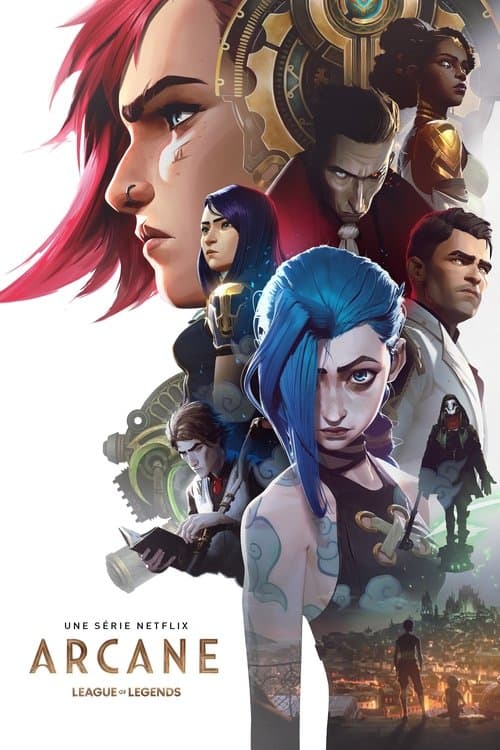
Amid the stark discord of twin cities Piltover and Zaun, two sisters fight on rival sides of a war between magic technologies and clashing convictions.
Where to watch
Availability checked on Apr 03, 2026
About this title
- Format
- TV series
- Year
- 2021
- Countries
- France, United States of America
- Original language
- EN
- Directed by
- Christian Linke, Alex Yee
- Main cast
- Hailee Steinfeld, Ella Purnell
- Studios
- Fortiche Production, Riot Games
Content barometer
- Violence5/5Very strong
- Fear4/5Intense
- Sexuality1/5Allusions
- Language2/5Moderate
- Narrative complexity1/5Accessible
- Adult themes3/5Marked
Values conveyed
- Loyalty
- sibling bond
- resilience
- search for identity
- fight against social inequality
- friendship
- sacrifice