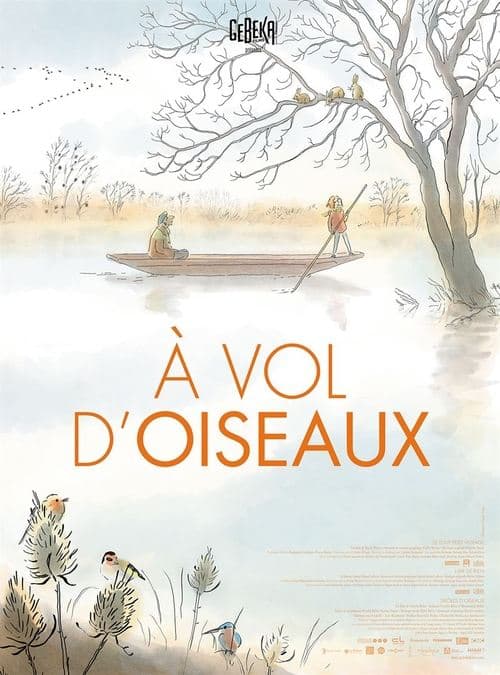
À vol d’oiseaux
Does this age rating seem accurate to you?
Detailed parental analysis
À vol d'oiseaux is a contemplative and poetic animated film, composed of two independent short films with a gentle rhythm and an intimate atmosphere. Each follows a solitary character who forms an unexpected bond with a bird, and thereby finds a path towards others and towards themselves. The film is aimed at young children from age 6 onwards, but its sensitivity also touches the adults accompanying them.
Underlying Values
The film builds a discreet yet constant celebration of solitude well-lived, of patient observation and shyness as a disposition towards the world rather than as a lack. Friendship between humans and animals is presented as a remedy to isolation, without ever forcing optimism. Freedom is a structural value of the narrative: freeing a caged bird, letting go of what one loves, is always the right gesture. The film also values concrete mutual aid, without heroism or fanfare, simply as a natural response to the vulnerability of the other.
Social Themes
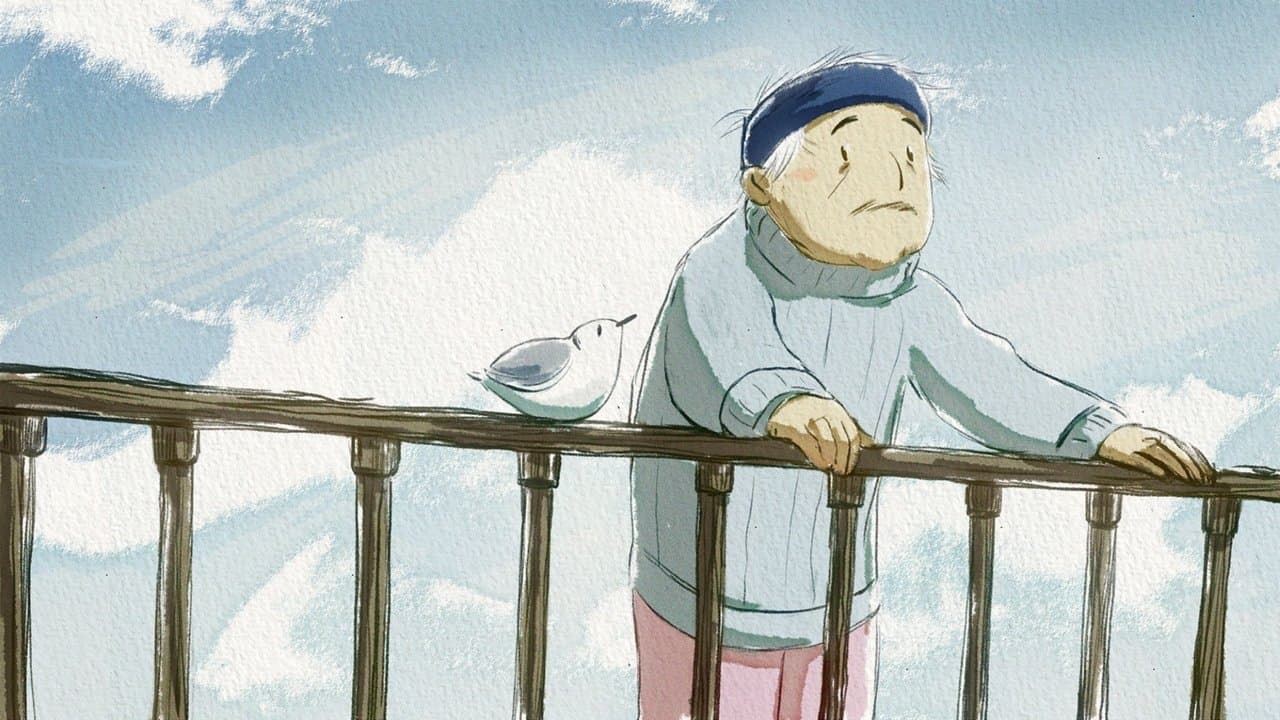
The second short film addresses death with a gentleness rarely found in cinema made for young children. The departure of an old man, symbolically represented by a flight with the seagull he has cared for, is neither dramatised nor evaded. The phrase carried by the film, saying goodbye is not saying farewell, offers a concrete entry point for speaking about grief with a child without being brutal. This sequence is the most emotionally charged in the film and merits minimal preparation according to the child's age and sensitivity.
Violence
Violence is absent in its aggressive or conflictual dimension. It is limited to the representation of an injured seagull, with a fractured wing and visible wound, in the second short film. This image is brief but realistic, and may surprise the youngest or most sensitive children. It serves the narrative directly, however: it is the animal's injury that triggers the act of care and the bond between the characters.
Strengths
The film distinguishes itself through careful graphic quality and an artistic direction that trusts in silence, contemplation and visual detail rather than in action or dialogue. This narrative economy is an affirmed artistic choice, which offers children a rare experience: learning to look, to wait, to feel without being guided step by step. The representation of grief displays an emotional intelligence uncommon for the intended audience, never veering into sentimentality or brutality. It is a film that leaves internal space after viewing.
Age recommendation and discussion points
The film is suitable from age 6 onwards, with particular attention for very young or sensitive children regarding the representation of death and the bird's injury. Two natural discussion angles after viewing: ask the child what he or she thinks happened at the end of the second short film, to lead them to formulate their own understanding of death and separation, and explore with them what it means to set an animal free rather than to keep it for oneself.
Synopsis
A compilation of three stories about the bonds and friendships between birds and a young boy, an elderly man and a 10-year old girl.
About this title
- Format
- Feature film
- Year
- 2023
- Runtime
- 57m
- Original language
- FR
- Directed by
- Emily Worms, Gabriel Hénot-Lefèvre, Charlie Belin
- Main cast
- Louna Dazzi, Christian De Smet, Léonie Graouer-Harrison, Eden Hamadouche, Sébastien Lemoine, Louison Mirabel Prat, Andrea Schieffer, Anne Steffens
Content barometer
- Violence1/5Mild
- Fear2/5A few scenes
- Sexuality0/5None
- Language0/5None
- Narrative complexity0/5Simple
- Adult themes0/5None
Values conveyed
- Friendship
- Acceptance of difference
- Compassion
- Autonomy
- kindness
- independence
- empathy