
The Last Solution
The Last Solution
Your feedback improves this guide
Your feedback highlights guides that need a second look and keeps the rating trustworthy.
Does this age rating seem accurate to you?
Sign in to vote
Watch-outs
What this film brings
Content barometer
Violence
2/5
Moderate
Fear
3/5
Notable tension
Sexuality
0/5
None
Language
0/5
None
Narrative complexity
0/5
Simple
Adult themes
0/5
None
Expert review
This animated film follows a group of children living and playing within the confines of a large enclosed wall, in an atmosphere that balances childhood innocence with a context carrying an immensely heavy historical and moral weight that younger viewers may not immediately grasp. The title and synopsis strongly suggest a historical or allegorical narrative tied to World War II and the internment of populations, lending the film considerable emotional and narrative depth. Sensitive elements rely less on graphic or explicit violence and more on the existential tension beneath the surface, as the children's carefree play contrasts with the mortal danger surrounding them, creating a quietly oppressive atmosphere for any aware viewer. Parents are encouraged to watch this film alongside their children or teenagers and to be available to discuss the historical context, themes of injustice, loss, and human resilience that the story evokes.
Synopsis
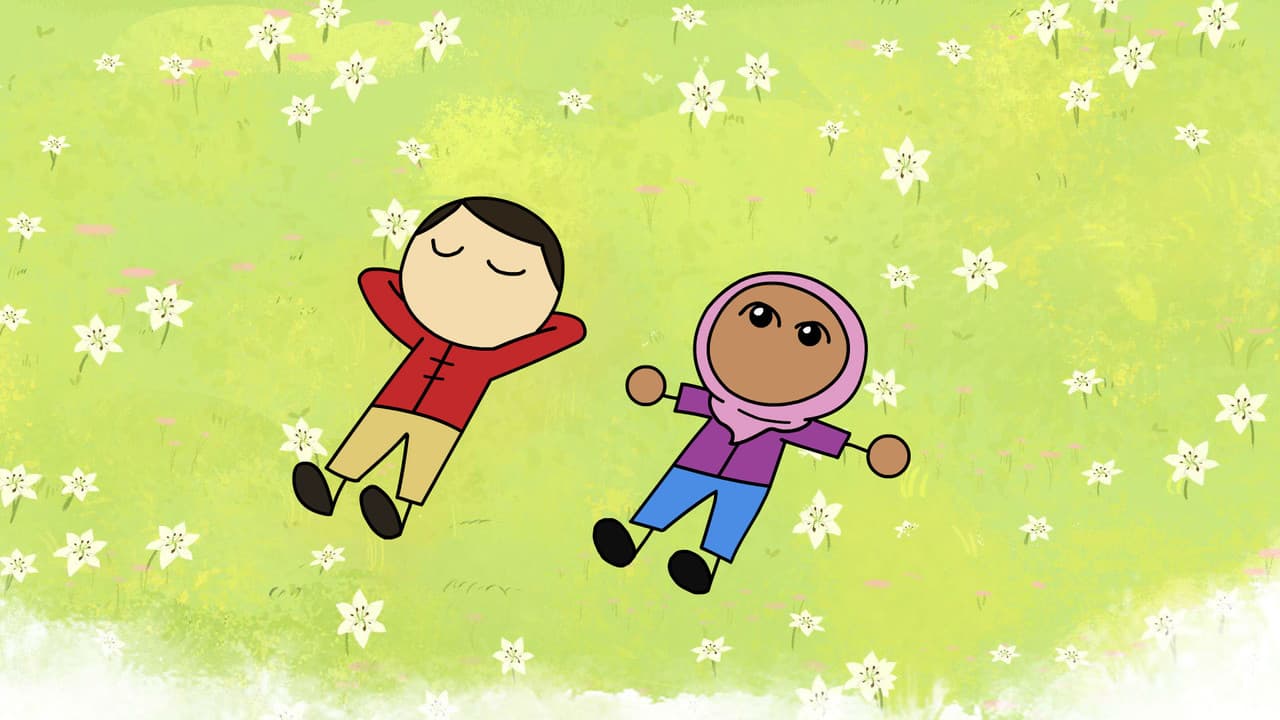
Within the confines of a massive wall, a group of children plays as if there were no tomorrow
Difficult scenes
The massive wall that delimits the children's world is a constant and central presence throughout the film. Without any direct violence necessarily being shown, this enclosure symbolizes a real and deadly imprisonment, and younger viewers who are more sensitive or better informed about History may experience a diffuse anxiety tied to what it represents. The scenes of the children playing carefree inside the walls form the narrative heart of the film, but their contrast with the historical subtext can provoke intense emotion in teenagers or adults who understand the real situation. This gap between apparent lightness and impending tragedy is likely to generate a deep and lasting sadness.
Where to watch
No verified platform for the US market yet. We keep this section updated as availability changes.
Availability checked on Apr 01, 2026
About this title
- Format
- Short film
- Year
- 2026
- Runtime
- 6m
- Countries
- Brazil
- Original language
- PT
- Directed by
- Abrahão Souza
- Studios
- Flipbook Animações
Content barometer
Violence
2/5
Moderate
Fear
3/5
Notable tension
Sexuality
0/5
None
Language
0/5
None
Narrative complexity
0/5
Simple
Adult themes
0/5
None
Expert review
This animated film follows a group of children living and playing within the confines of a large enclosed wall, in an atmosphere that balances childhood innocence with a context carrying an immensely heavy historical and moral weight that younger viewers may not immediately grasp. The title and synopsis strongly suggest a historical or allegorical narrative tied to World War II and the internment of populations, lending the film considerable emotional and narrative depth. Sensitive elements rely less on graphic or explicit violence and more on the existential tension beneath the surface, as the children's carefree play contrasts with the mortal danger surrounding them, creating a quietly oppressive atmosphere for any aware viewer. Parents are encouraged to watch this film alongside their children or teenagers and to be available to discuss the historical context, themes of injustice, loss, and human resilience that the story evokes.
Synopsis
Within the confines of a massive wall, a group of children plays as if there were no tomorrow
Difficult scenes
The massive wall that delimits the children's world is a constant and central presence throughout the film. Without any direct violence necessarily being shown, this enclosure symbolizes a real and deadly imprisonment, and younger viewers who are more sensitive or better informed about History may experience a diffuse anxiety tied to what it represents. The scenes of the children playing carefree inside the walls form the narrative heart of the film, but their contrast with the historical subtext can provoke intense emotion in teenagers or adults who understand the real situation. This gap between apparent lightness and impending tragedy is likely to generate a deep and lasting sadness.