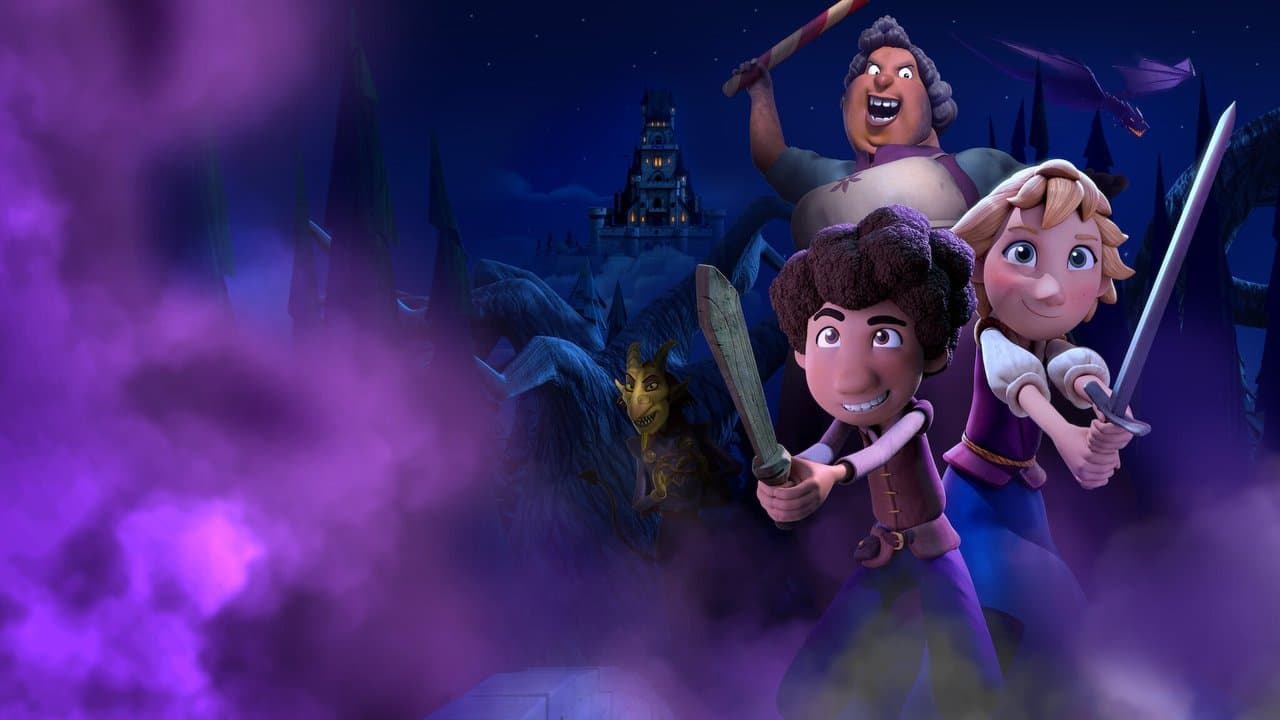
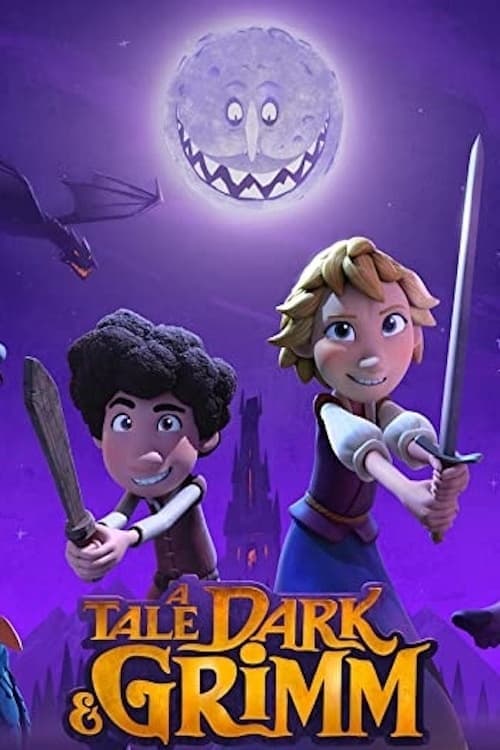
A Tale Dark & Grimm
Does this age rating seem accurate to you?
Detailed parental analysis
Disenchantment is a dark and humorous animated series that revisits the tales of the Brothers Grimm in their original version, without the usual softening. Hansel and Gretel leave their parents to traverse a world of cruel tales and forge their own destiny within it. The series targets children from a certain age onwards and pre-adolescents, but its content far exceeds what its official rating suggests.
Parental and Family Portrayals
Parental representation is the disturbing heart of the series. From the opening minutes, Hansel and Gretel's parents deliberately behead them, an act presented as a magical sacrifice before being followed by resurrection. Throughout the narrative, parental figures are failing, dangerous, or betray their children's trust. The central theme of the series is precisely the question of forgiveness towards parents who have caused deep harm, making it powerful narrative material but potentially destabilising for a child who does not yet have the tools to distinguish metaphor from reality. The series takes care to show that children are not responsible for the actions of adults, which constitutes a protective message, but it is framed within a context of symbolic parental violence that deserves to be accompanied.
Violence
Violence is frequent and constitutive of the narrative. It includes beheadings, combat with weapons and dragons, an attempt to cook a living child in an oven, deliberate self-mutilation, and a descent into hell where characters are tortured. The staging mitigates the visual impact by resorting to silhouettes and stylised graphic treatment, and the humour of the narrating ravens creates a salutary distance. The violence is not gratuitous in the strict sense: it serves character progression and illustrates the original darkness of the tales. But its frequency and nature, particularly violence exercised by parents on their children, remain significant for a young audience.
Underlying Values
The series carries an ambiguous structural message about forgiveness and trust. It invites children to understand, even to forgive, parents who have betrayed or hurt them, which can be read as an invitation to resilience but also as a normalisation of unconditional loyalty towards failing authority figures. As a counterpoint, it clearly asserts that children do not bear responsibility for the mistakes of adults, which nuances this first message. Courage, perseverance and sibling solidarity are valued consistently and without ambiguity. The presence of the Devil as a character and the representation of hell as a place of torment are part of the tradition of moral tales, without proselytising, but may raise questions for children sensitive to these representations.
Language
The language is generally light, with a few colloquial terms of no particular gravity. This point does not constitute a notable parental concern.
Strengths
The series has the rare merit of not infantilising its young audience. By restoring the original darkness of the Brothers Grimm tales, it reconnects with their primary function: preparing children for a complex and sometimes cruel world, by giving them narratives where fear is traversed and overcome. The device of the three narrating ravens is particularly well conceived: it creates a metatextual distance that allows the child to laugh at what frightens them, and constantly signals that they are in a tale, not in reality. The writing plays with the codes of the genre with real intelligence, and the structure in autonomous episodes linked by a red thread offers satisfying narrative progression. It is a cultural object that can serve as a gateway to classic tales and their history.
Age recommendation and discussion points
The series is not recommended before age 8, and a serene viewing is better situated around age 10, accompanied by an adult for sensitive children. Two angles of discussion are worth opening after viewing: why are the original tales so violent, and what does this say about what adults have long wanted to convey to children about the world? And on the theme of forgiveness: can one forgive someone who has hurt us, and are we obliged to do so?
Synopsis
Follow Hansel and Gretel as they walk out of their own story into a winding and wickedly witty tale full of strange — and scary — surprises.
About this title
- Format
- TV series
- Year
- 2021
- Countries
- Canada, United States of America
- Original language
- EN
- Main cast
- Andre Robinson, Raini Rodriguez, Cari Kabinoff, Tom Hollander, Scott Adsit, Ron Funches, Erica Rhodes, Eric Bauza, Jonathan Banks, Adam Lambert
- Studios
- Boat Rocker Studios, Jam Filled Entertainment
Content barometer
- Violence3/5Notable
- Fear4/5Intense
- Sexuality0/5None
- Language1/5Mild
- Narrative complexity1/5Accessible
- Adult themes0/5None
Watch-outs
- Death
- Abuse
- Violence
Values conveyed
- Courage
- Perseverance
- Loyalty
- Forgiveness
- sibling bond
- resilience
- resourcefulness