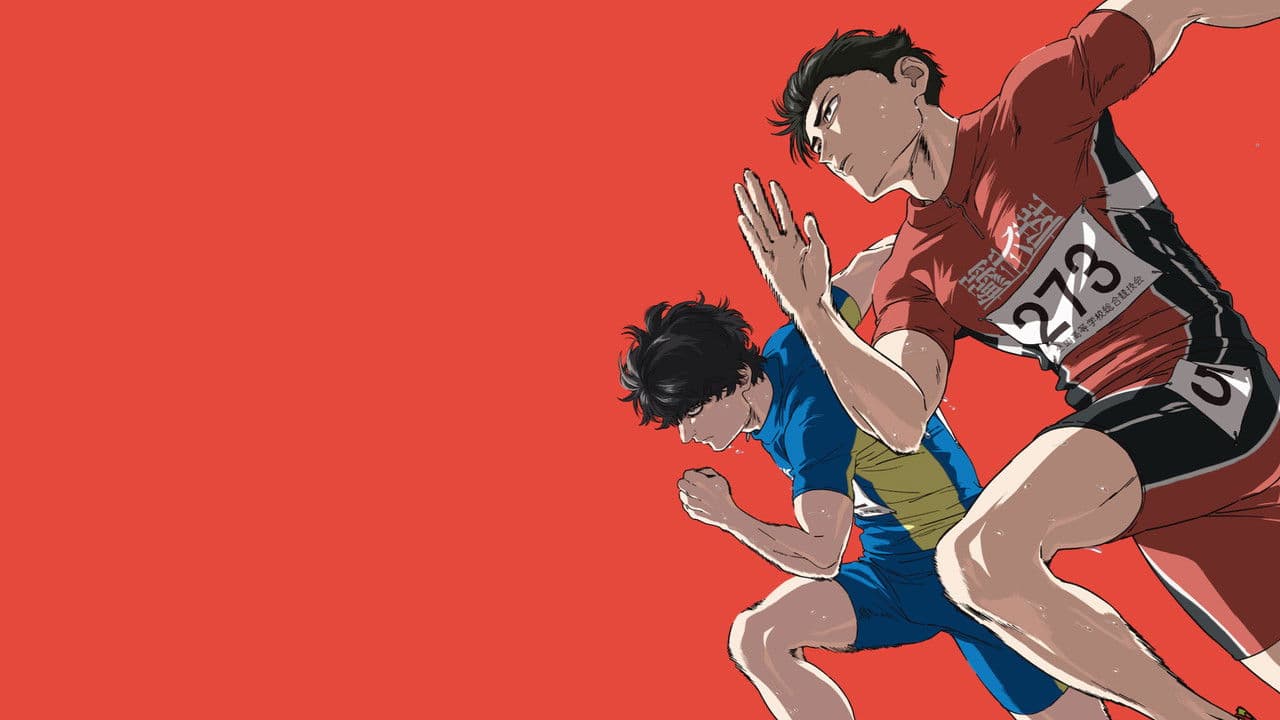

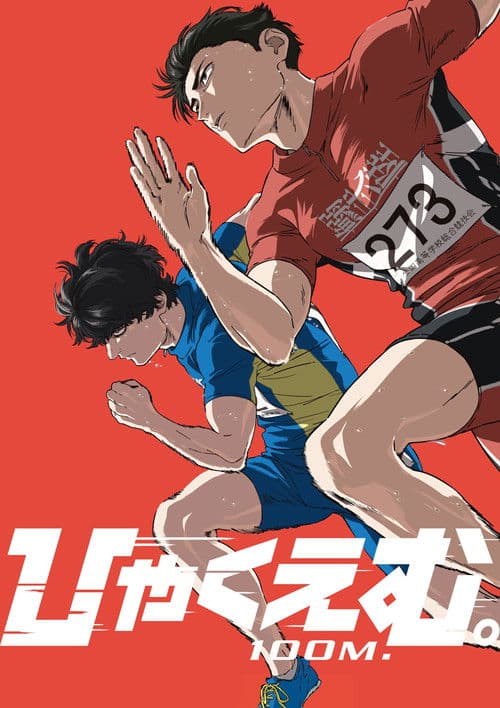
100 METERS
ひゃくえむ。
Does this age rating seem accurate to you?
Detailed parental analysis
100 Metres is a sports adventure film with an energetic atmosphere and genuine emotional depth, aimed primarily at primary school children and preteens. The plot follows a young protagonist who enters a hundred-metre running race to prove his worth, discovering along the way that victory is not the sole measure of oneself. The film is clearly addressed to a broad family audience, with sensibilities particularly suited to 8-12 year-olds.
Underlying Values
This is where the film has the most to say, and it is its greatest strength. The narrative methodically builds a distinction between external performance and self-discovery: the competition is a pretext, never an end in itself. Effort and work are shown as authentic values that complement natural talent, without supplanting it. Rivalry between characters is treated as an opportunity for mutual growth rather than as a relationship of domination. It is worth noting, however, that this anti-performance stance is carried with a certain narrative insistence that may read as a preformatted message: it is worth discussing with the child rather than letting them absorb it passively.
Violence
Violence is mild and clearly cartoonish. It is limited to a few verbal taunts, a nosebleed scene and references to injuries inherent to competition. Nothing graphic, nothing realistic that would exceed the level of a schoolyard tale. This tone remains consistent with a young child audience, and humour systematically defuses moments of physical tension.
Language
The register of language is generally well-controlled for a family audience. A few mild insults of the 'idiot', 'coward' or 'useless' variety appear in scenes of rivalry, and the film occasionally uses exclamations such as 'oh my God' or 'for goodness sake'. This level of language is commonplace in children's sports narratives and is not a point of concern, but it is a good entry point for discussing with a young child the difference between what one says in the heat of emotion and what one ordinarily says.
Strengths
The film achieves what is difficult in the sports genre for children: making the tension of competition palpable without sacrificing emotional depth to spectacle. The central narrative arc, which progressively shifts the question from 'who will win?' to 'why am I running?', is carried out with consistency. The relationship between rivalry and friendship is treated with sufficient nuance to avoid the usual Manichean pattern. Finally, the film leaves certain questions without neat resolution, which is a rare quality in children's cinema and constitutes a natural invitation to conversation.
Age recommendation and discussion points
The film is suitable from age 8 without reservation, and will be fully appropriate for all children through to secondary school entry, with interest that may extend to preteens who are drawn to sport or the question of self-confidence. Two angles of discussion are worth pursuing after viewing: ask the child whether he thinks the character won or lost at the end, and why, so as to bring out his own definition of success. Then explore with him what motivates him personally in his activities, beyond rankings and results.
Synopsis
A gifted runner trains a determined but unskilled classmate, unaware he's creating a rival who will challenge him on the track for years to come.
About this title
- Format
- Feature film
- Year
- 2025
- Runtime
- 1h 46m
- Countries
- Japan, United States of America
- Original language
- JA
- Directed by
- Kenji Iwaisawa
- Main cast
- Tori Matsuzaka, Shota Sometani, Yuma Uchida, Koki Uchiyama, Kenjiro Tsuda, Jun Kasama, Rie Takahashi, Yuki Tanaka, Atsumi Tanezaki, Aoi Yuuki
- Studios
- Pony Canyon, Asmik Ace, TBS, Rock'n Roll Mountain, GKIDS
Content barometer
- Violence1/5Mild
- Fear1/5Mild
- Sexuality0/5None
- Language1/5Mild
- Narrative complexity3/5Complex
- Adult themes0/5None
Watch-outs
- Bullying
- Mockery
Values conveyed
- Friendship
- Perseverance
- Autonomy
- self-surpassing
- sport
- healthy rivalry
- hard work